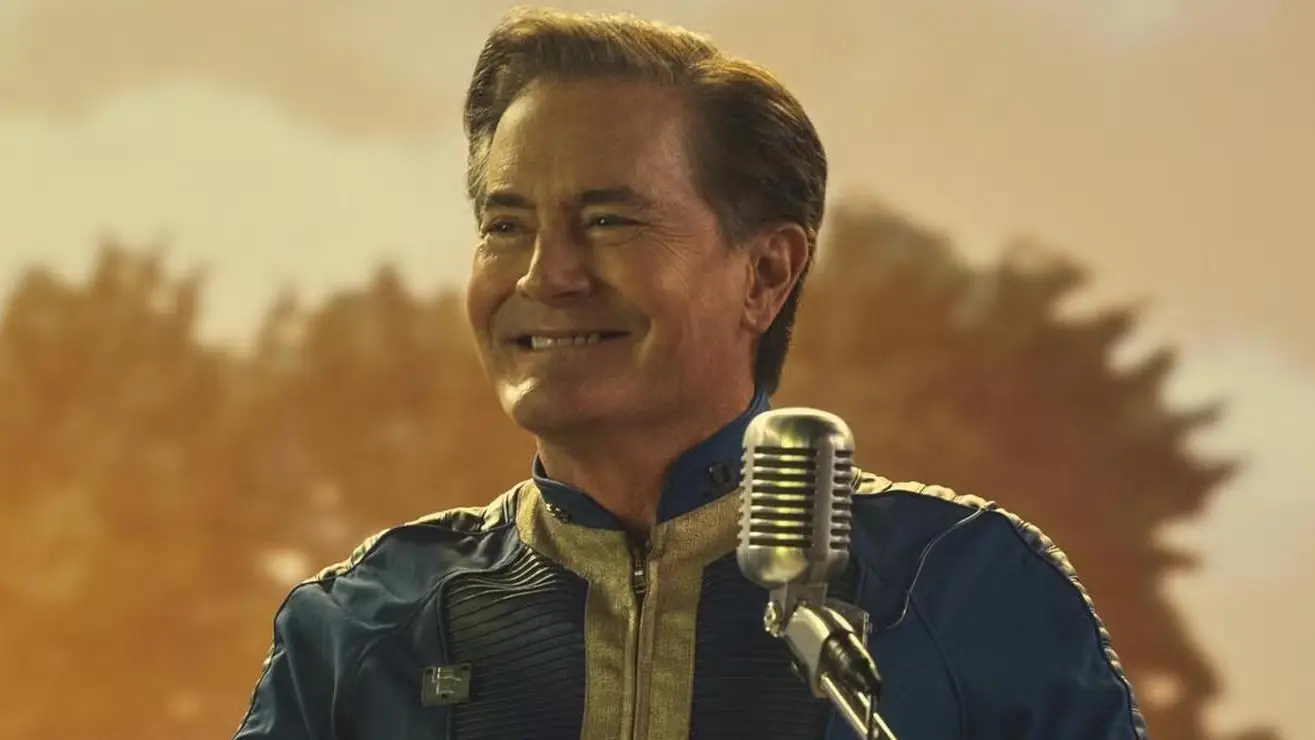
Fallout Season 2 Splits Viewers, Prime Video Problem Highlighted


The second season of Prime Video's Fallout adaptation is finally here, and it has basically picked up where the last one left off, as Lucy, the Ghoul, Maximus and company continue their journeys across the wastes to complete personal quests and try to carve out a relatively fulfilling life.
The first episode sees Lucy and the Ghoul travelling together, as the former tries to track down her genuinely nefarious father (who is on his way to New Vegas) and the latter tries to find out whether his wife and child are still alive, more than two centuries after the bombs dropped.
Meanwhile, Maximus was left out of the first episode for the most part, though the trailers have made it clear that both he and the Brotherhood of Steel are set to play a major part in this season, though what they'll be up to is still of a bit of a mystery compared to the other protagonists.
Unfortunately, it seems the way that Prime Video has chosen to package their biggest new show is causing consternation amongst its sizeable audience, and things aren't likely to change any time soon.
Advert
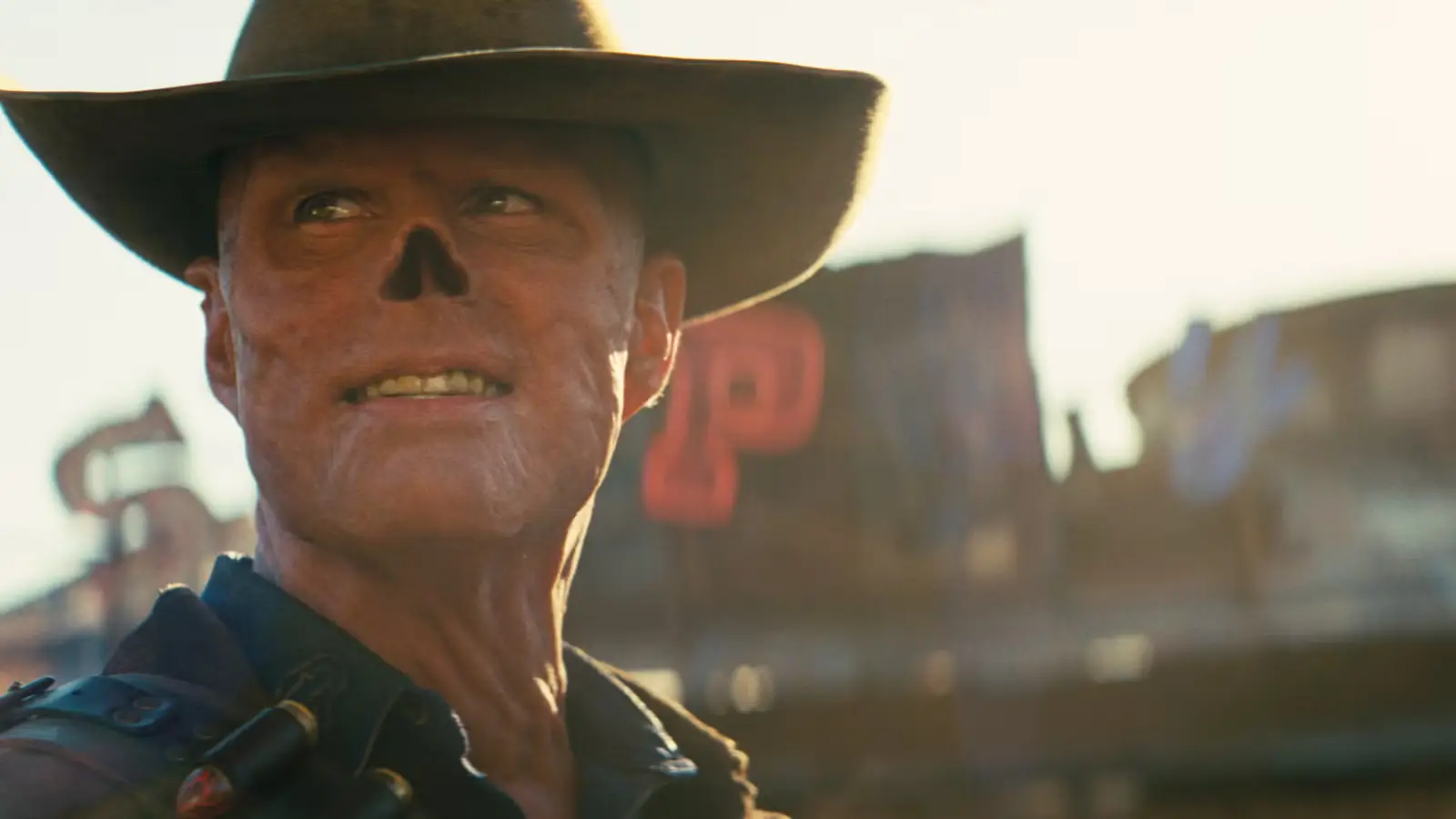
Fallout Adverts and Release Schedule Upset Viewers
Over on Reddit, one user shared a post with their belief that there are too many adverts in the current version of Fallout on Prime Video, with five significant breaks on average per episode.
"A paid streaming service that’s giving basic cable commercial volume," the post reads.
"We are really going to have to get Congress involved because no one is competing to offer a better service. They’re all ratcheting up prices and testing the waters to see what they can get away with."
Equally, as is often the case with their biggest original shows, Prime Video is releasing new episodes of the show on a weekly basis, which some believe is purely to hold on to more subs.
"Also the show is being spread out over two months. It's pretty obvious they're doing it to make people pay for two months of prime," one comment reads.
In all fairness, we should caveat the latter by remembering that it's very much the same system in use as traditional television, but the double whammy of a ridiculous number of adverts on top of a not-insignificant subscription fee is a bit galling.
The regularity of breaks does make the show considerably more difficult to watch from personal experience, and it has become noticeably more egregious in recent times.
Hopefully, Prime Video switches to something a little more consumer friendly, even if I'm not holding out much hope myself.