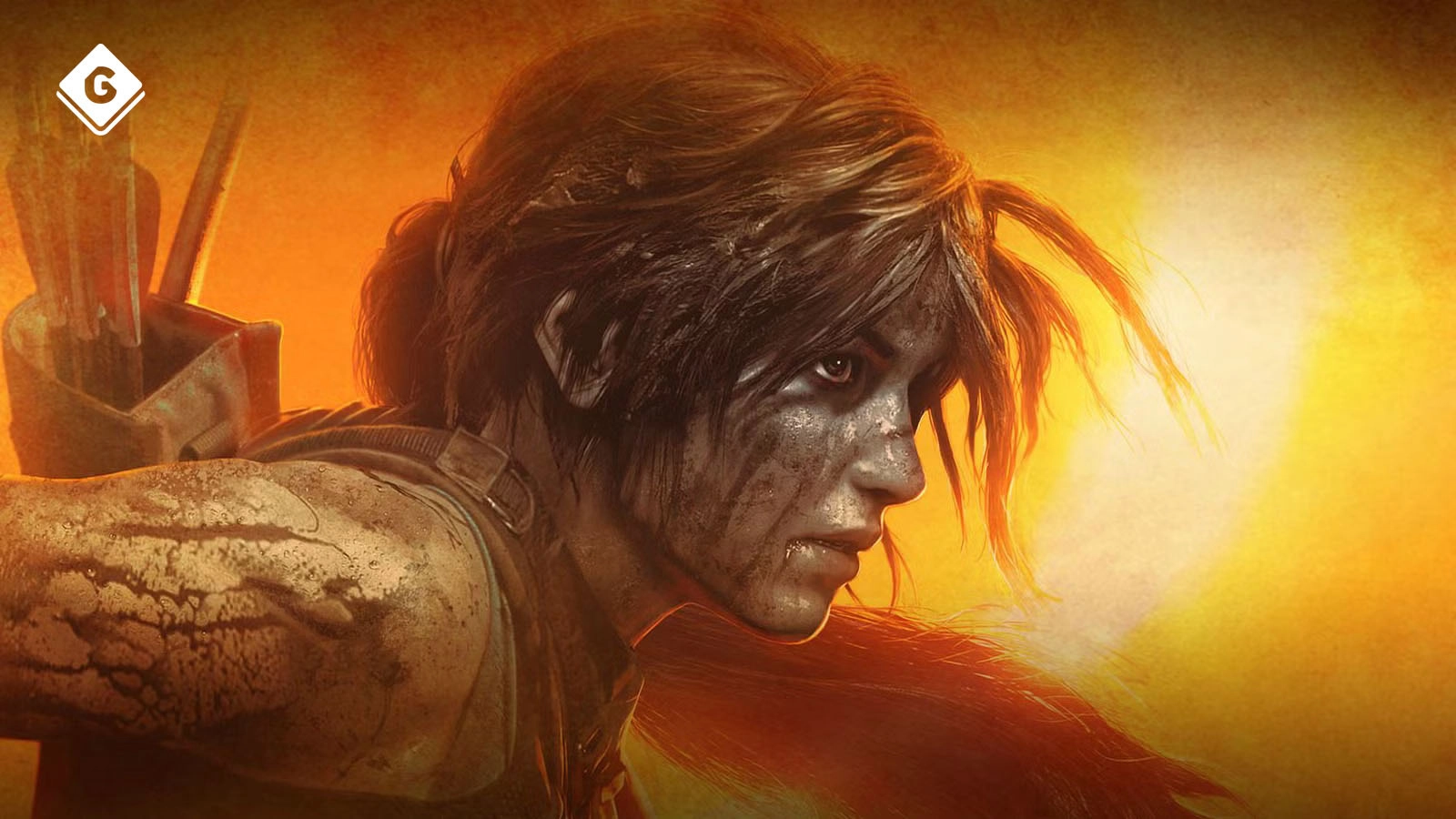
Tomb Raider's most underrated entry plays well enough on Switch 2


Shadow of the Tomb Raider got shadow-dropped onto the Nintendo Switch 2 earlier this week.
Following the work it did on remastering the first six Tomb Raider games (to varying levels of success), Aspyr has spent the last 12 months porting over the three games in the Tomb Raider survivor trilogy to Nintendo Switch 2.
The first two, Tomb Raider (2013) and Rise of the Tomb Raider, were fairly serviceable ports. Aspyr managed ton bring over some excellent games to a new platform, but they did not quite live up to expectations.
For games that released on the Xbox 360, having these titles run at 30 FPS and with slightly worse graphics felt like a huge shame, and unforgivable considering this is the platform that now has The Witcher 3 and Assassin's Creed Shadows running efficiently on there.
Advert
With Shadow of the Tomb Raider - Definitive Edition, the first Tomb Raider game to not release on sixth generation consoles, I was more open-minded about the fact that this might not run as well on Nintendo Switch 2 as I expected. And considering it's probably the most underrated game in the series, I was also ready to see how it holds up eight years later.
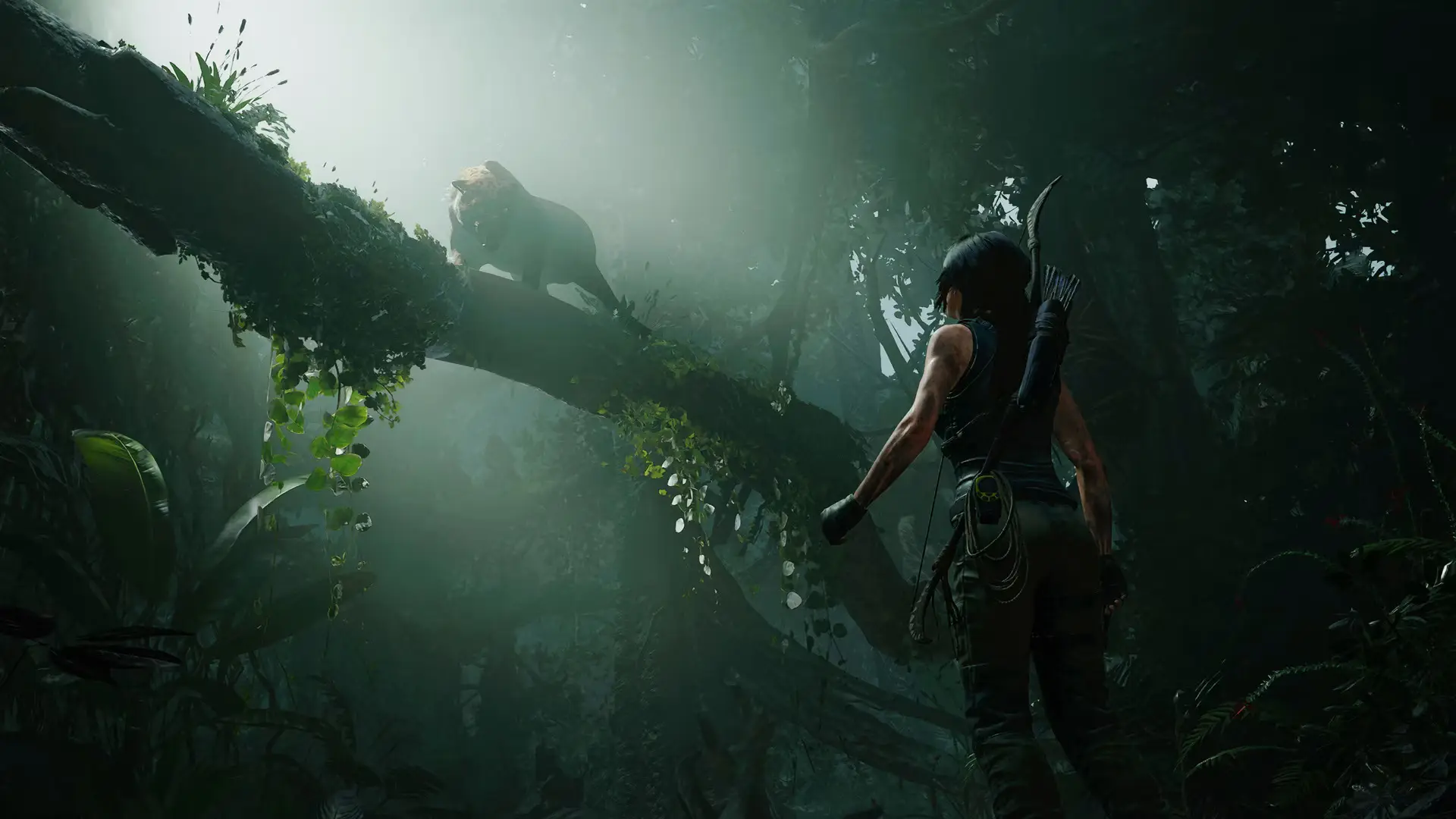
Why is Shadow of the Tomb Raider an underrated game?
At the time of release, Shadow of the Tomb Raider got some criticism for pacing issues. Many agree that it starts off pretty strongly, then slows to a crawl at around the halfway point (I'm trying not to share too many spoilers here), and this is where a lot of people end up dropping the game.
If you can stick with it throughout its second half, Shadow of the Tomb Raider does some interesting things with its lead character Lara Croft in the final few hours of the game.
Given that we're three games into a Tomb Raider origin story and she hasn't fully become the character we know and love from the original series yet, there's a lot of pressure riding on Shadow of the Tomb Raider's narrative to deliver. And for the most part, while the story 'ums' and 'ahhs' its way around these aspects of the character, the game generally leaves things in a place to set up the more confident, ruthless version of Lara we'll see in Legacy of Atlantis next year.
Most notably though, where Tomb Raider (2013) and Rise of the Tomb Raider felt rather restrained with the design of their challenge tombs, Shadow's finally felt like the trilogy was living up to its potential.
The tomb design of Shadow of the Tomb Raider finally upped the difficulty and made the game feel much more challenging as a result compared to the previous two entries. Each tomb usually had a specific gimmick, and a large part of mastering it came down to learning the central mechanic and understanding how it evolved as you completed each section of the tomb. This includes the tombs that were added as part of DLC after launch, ultimately becoming the most memorable parts of the game for me.
Shadow of the Tomb Raider performance on Nintendo Switch 2
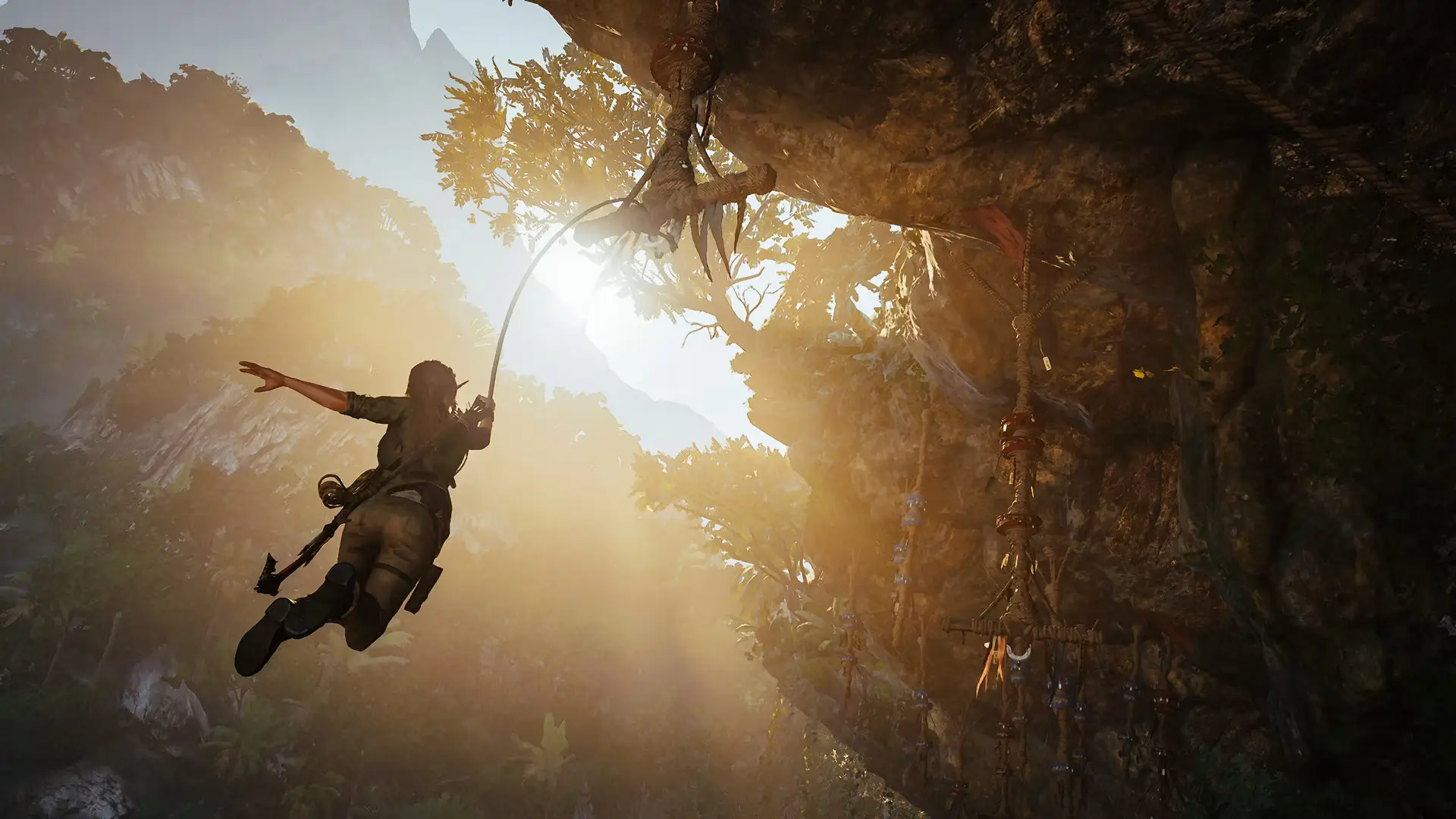
Similar to its predecessors, Shadow of the Tomb Raider runs at 30 FPS on Nintendo Switch 2. Considering the more advanced technology in this game compared to the previous two, I'd say it's no surprise the game doesn't run any better than them on this hardware.
It's a shame that Aspyr hasn't been able to deliver a smoother experience for this trilogy on Switch 2, but that's not to say the port isn't a shoddy job. The framerate rarely dips below the 30 FPS cap, and given that Shadow of the Tomb Raider's environments and details are a little busier than the previous two games, it seems that Aspyr has done a decent job at ensuring that things stay consistent as far as this is concerned.
The main thing to take away here is that Aspyr's port preserves the quality of the game's assets, and doesn't compromise on delivering a worse-looking port in exchange for a higher framerate. The game looks as good as it did on PS4 and Xbox One, where it also ran at 30 FPS, and I'm pleased with the results considering the Switch 2 is a handheld device.
I think when it comes to these ports, Aspyr is between a rock and a hard place. The Shadow of the Tomb Raider port on Switch 2 will receive criticism for the 30 FPS cap, but if the studio had sacrificed graphical fidelity and brought the framerate cap up to 60 FPS, then complaints would then be levied at it not looking as nice as other versions of the same game.
Essentially, I reckon Aspyr made the right call keeping the game looking as gorgeous as it does at the cost of performance, and playing through this trilogy again on Nintendo Switch 2 has got me excited for Tomb Raider: Legacy of Atlantis which is out next year.
If you're yet to play through the last few entries of the franchise, the Switch 2 ports are decent releases to check out.
Topics: Tomb Raider, Nintendo, Nintendo Switch 2