
The Tomb Raider Timeline Is A Mess, Allow Me To Try And Explain


The new unified timeline for the Tomb Raider games has opened up a whole can of worms, but I’m going to try and explain it in the best way that I can.
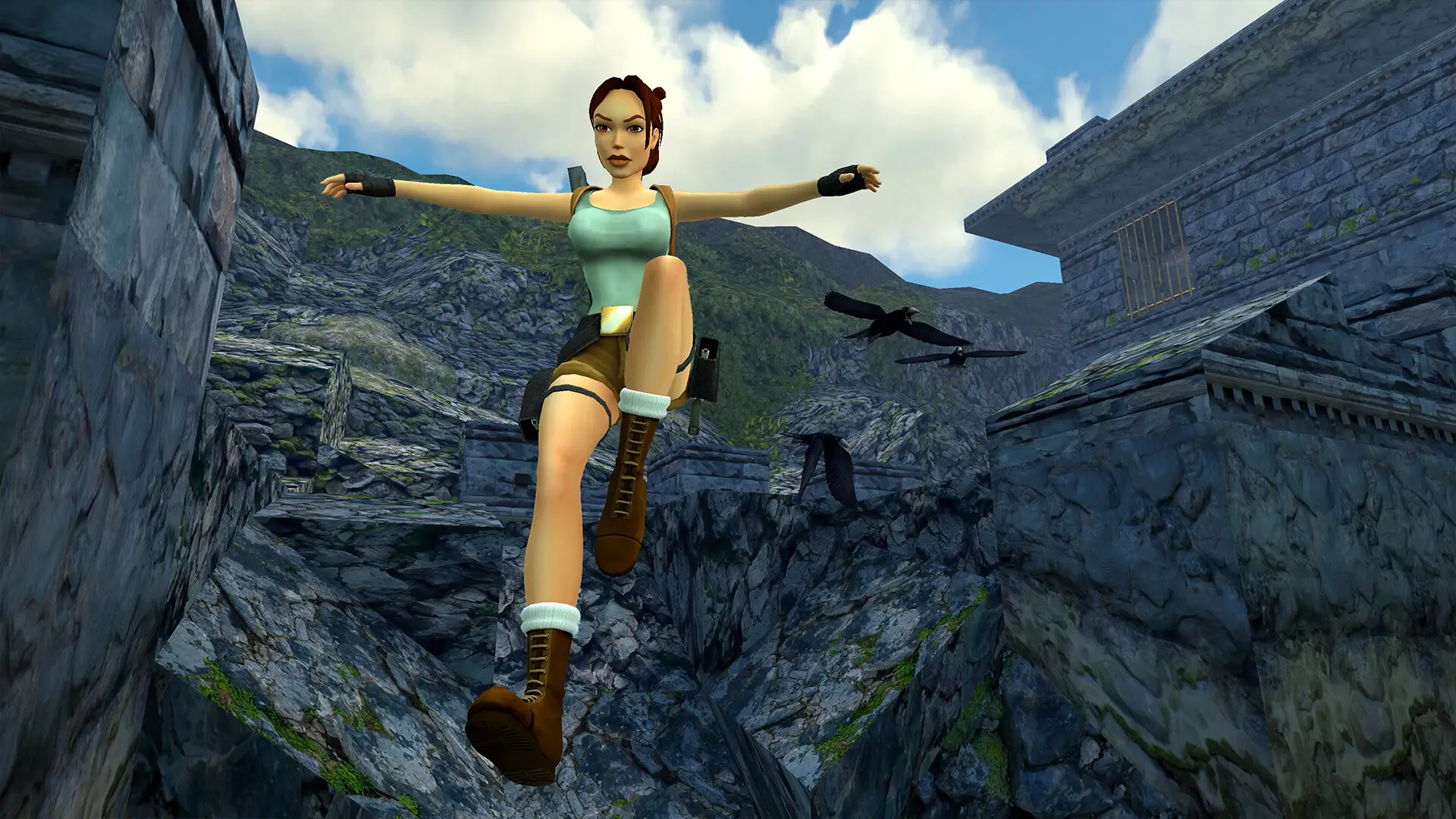
In case you missed the news, Tomb Raider: Legacy of Atlantis is coming in 2026. It’s a remake of the original 1996 game, featuring Lara’s quest to recover the Scion of Atlantis. Following that comes Tomb Raider: Catalyst in 2027, a brand new game.
But importantly, it’s also intended as a bridge between all the different Tomb Raider canons, unifying the classic era, Legend trilogy, and Survivor trilogy into one coherent timeline. Obviously, this already causes a whole host of problems. The Lara Croft that originally appeared in the first six Tomb Raider games by Core Design isn’t the same one that featured in the 2013 reboot.
And the Lara from Tomb Raider: Legend was also intended to be a rebooted version of the character too, despite some details remaining the same. When you try to unify all three versions of the character, it can create some inconsistencies.
Advert
Tomb Raider: Legacy of Atlantis will attempt to address these inconsistencies, taking elements of each era and unifying them into one solid timeline. Obviously though, this creates a bit of a mess in terms of how the games are ordered, so I’ll do my best to explain them.
The Survivor Trilogy Kicks Off The New Tomb Raider Timeline
In chronological order from Lara’s beginnings, we start with the Survivor trilogy which consists of Tomb Raider (2013), Rise of the Tomb Raider, and Shadow of the Tomb Raider. These games are fairly consistent in their presentation, featuring survival-oriented gameplay, decent puzzle solving, and act as Lara’s introduction to raiding tombs. As the most modern games in the series so far, they’re also a great introduction for new players.
Following this, Tomb Raider: Legacy of Atlantis will be the next game in the timeline. At this point, Lara is an experienced adventurer, with a witty and fearless personality. She is now thrilled by adventure and is a lot more hardened compared to her younger self.
After this, we have the rest of the original Core Design games. Tomb Raider II, Tomb Raider III, Tomb Raider: The Last Revelation, Tomb Raider: Chronicles, and Tomb Raider: Angel of Darkness. These games are relatively light on story (at least until you get to The Last Revelation), but chronicle Lara’s various adventures exploring ancient tombs and discovering artifacts.
From The Last Revelation onwards, new story elements are introduced which complicate things. For example, Werner Von Croy is introduced as a former mentor of Lara who she knew when she was a teenager. Von Croy isn’t present in the Survivor games, so this may be the first retcon that Legacy of Atlantis has to make, either erasing him from the unified timeline or finding a way to fit him in alongside the new canon.
After Tomb Raider: The Angel of Darkness, we move onto the Legend trilogy which consists of Tomb Raider: Legend, Tomb Raider: Anniversary, and Tomb Raider: Underworld.
This trilogy changes some aspects of Lara’s backstory, particularly with the deaths of her parents, and also introduces Amanda Evert as a former friend and adversary to Lara.
Similar to Von Croy, it’s too messy to try and fit this around the rest of the canon in this new unified timeline, so efforts may be made to retcon this story element or find ways to remove it entirely.
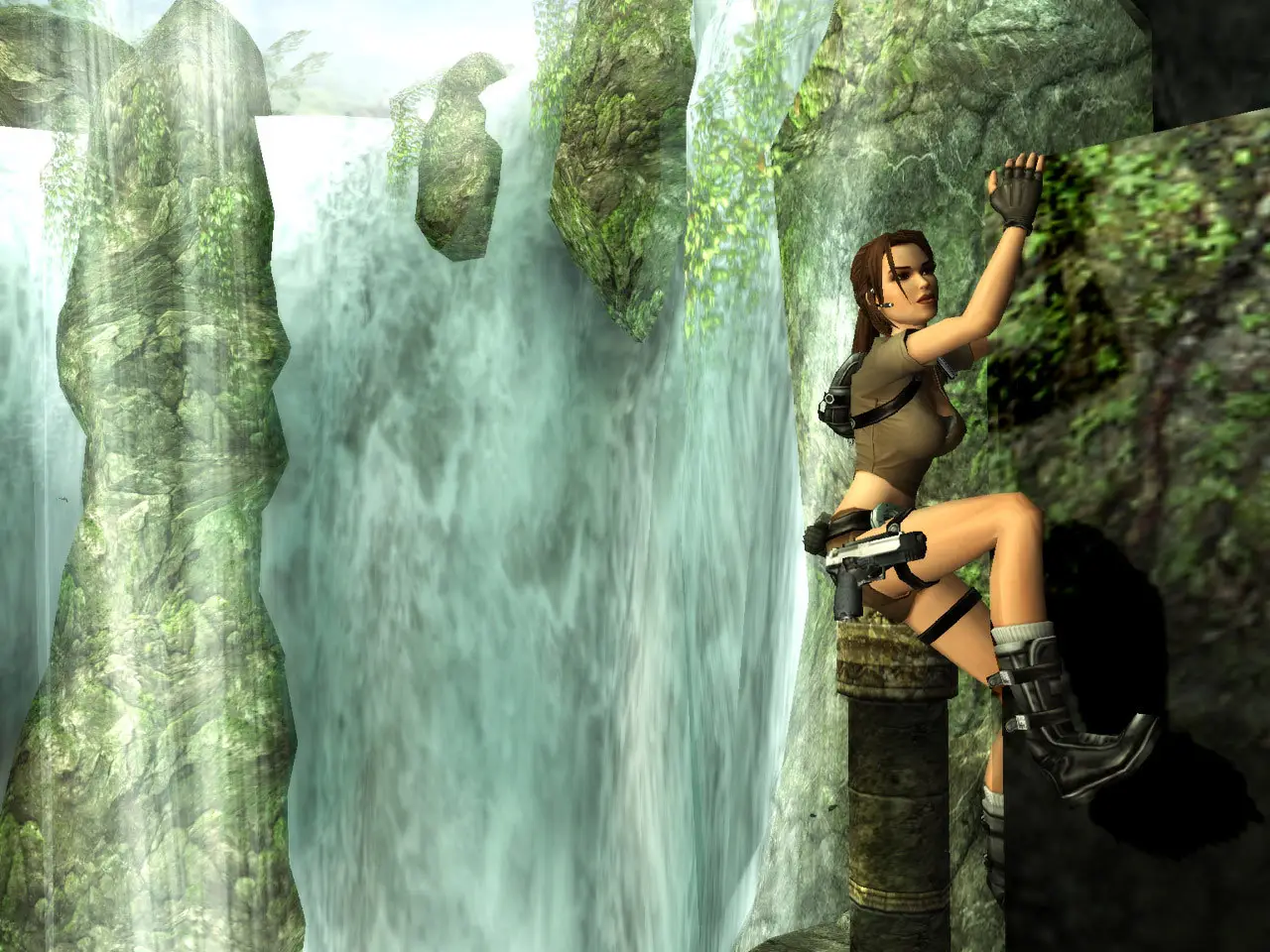
I should also mention that Anniversary is probably not present in this timeline at all. That game is also a remake of the first Tomb Raider game, but with some retcons to fit it with the rebooted Legend timeline. Legacy of Atlantis already fits this role within the unified timeline, and so I imagine Crystal Dynamics will simply ignore this in the conversation.
Tomb Raider Catalyst is set after the Legend trilogy, featuring the oldest Lara we’ve seen so far and also the furthest along in the timeline.
We don’t have many details on this yet, but I bet we’ll see more details about how the unified Tomb Raider timeline comes together in this game as opposed to Legacy of Atlantis.
We’ll probably get confirmation about which elements of each game Crystal Dynamics has decided to keep, and which ones are retconned or removed entirely.
Tomb Raider Unified Timeline Order
With all that said, here’s my list of every mainline Tomb Raider game and the order in which I believe the events will have occurred:
- Tomb Raider (2013)
- Rise of the Tomb Raider
- Shadow of the Tomb Raider
- Tomb Raider: Legacy of Atlantis / Tomb Raider: Anniversary / Tomb Raider (1996)
- Tomb Raider II
- Tomb Raider III
- Tomb Raider IV: The Last Revelation
- Tomb Raider: Chronicles
- Tomb Raider: The Angel of Darkness
- Tomb Raider: Legend
- Tomb Raider: Underworld
- Tomb Raider: Catalyst
I’m more than prepared to revisit this article and realise how wrong I was after the release of Tomb Raider: Legacy of Atlantis and Tomb Raider: Catalyst, of course. There are plenty of clashing plot elements and details in each era of the series that make this a bit of a headache to unravel, and so only Crystal Dynamics knows for now which parts it wants to include, and which ones it’ll exclude.
Topics: Features, Square Enix, Tomb Raider