Easy Money-Making Trick Discovered in OG Pokémon Games 20 Years Later


The OG Pokémon games had a clever way of determining how much money players earn for winning battles, a whole class system that most players will have completely overlooked.
Pokémon games have been following the same formula for 30 years now which goes to show the universal appeal this series has.
Game Freak has experimented with the odd new mechanic here and there but the core gameplay experience has stayed the same, including progression from your starting town all the way up to the final battle with the Elite 4 and Pokémon Champion.
What many players might have not realised though is how this effects the payouts you receive for winning battles, as the level of Pokémon used isn’t the only factor that alters the size of your reward.
Advert
Some players are discovering this secret for the very first time, following the re-release of Pokémon Fire Red & Leaf Green on the Nintendo Switch/Nintendo Switch 2.
Trainers in the OG Pokemon games are actually separated into different classes and this dictates how much money players will make upon defeating them in battle.
For instance, kid trainers won’t be carrying around much money so the rewards for beating them is minimal. The same can be said for swimming trainers because they likely left the bulk of their cash on land.
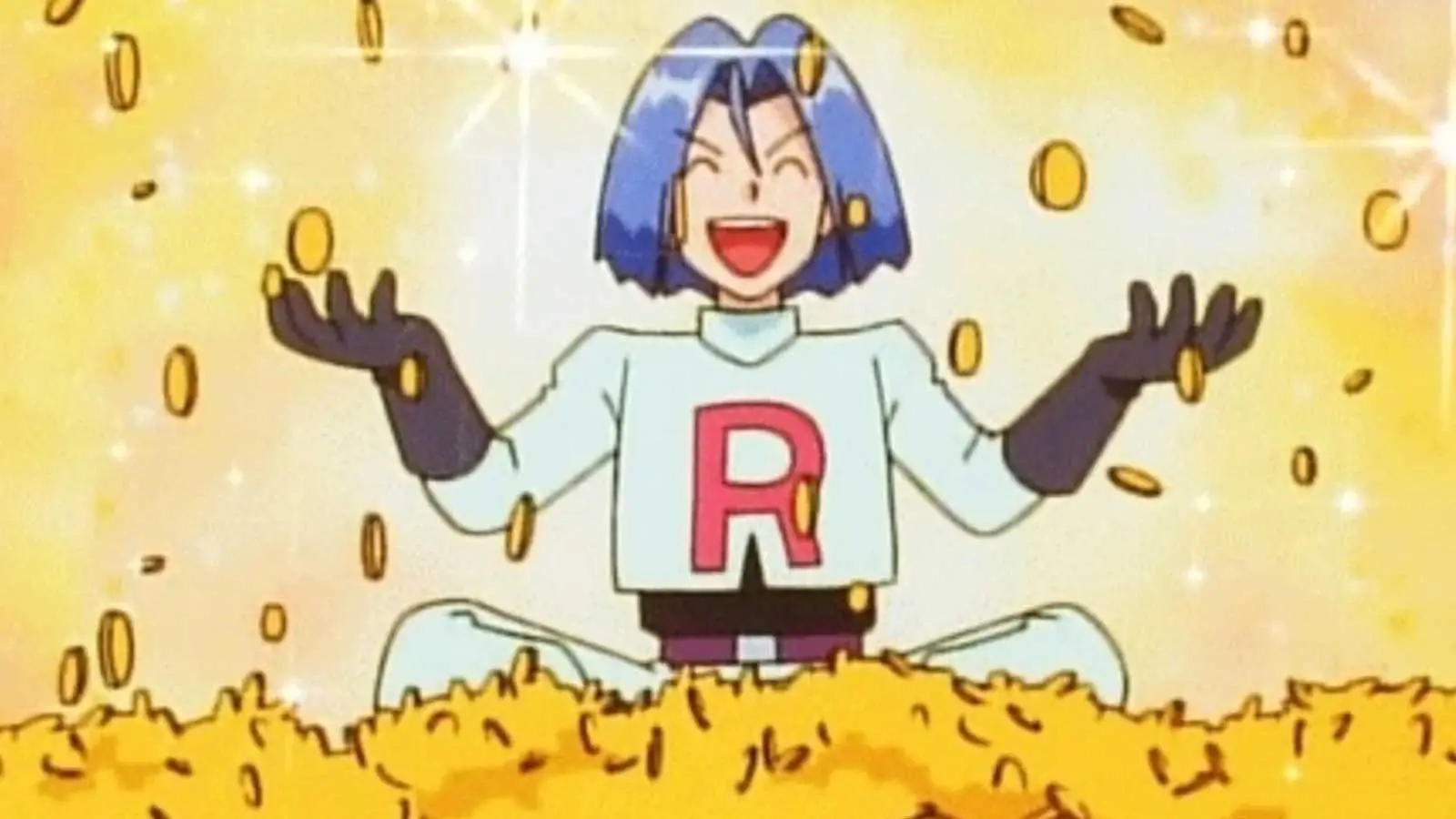
One commenter in the above post explained that every trainer class actually has a "base payout amount,” with the “Rich Boy and Lady” class paying out the most for a successful win. The level of Pokémon used is then applied, multiplying the base payout to whatever it needs to be.
This is apparently why the player is encouraged to rematch the richer targets, as you can revisit these trainers and battle them again for the same reward. It’s handy if you want to grind money for the best items the in-game department stores have to offer.

Another in-game secret that you might have missed is the gambling trainers actually go ‘all-in’ on their teams.
Every Pokémon on their team will be of the same type, meaning the trainer will either have a significant advantage or disadvantage depending on what Pokémon the player brings to the battle.
The modern games seemingly dropped this mechanic, or at the very least don’t put as much thought into it, which is a shame as it was a unique bit of world-building that clearly hasn’t gotten the recognition it deserves, until now.
Topics: Pokemon, Retro Gaming, Nintendo