The Game Awards GOTY Medley's Lorne Balfe Explains Composition's Biggest Hurdle


The Game Awards has been and gone for another year, and Geoff Keighley put on a solid show that gave us some genuinely big reveals and moments, even if I did have to stay up into the wee hours to see all of it.
While Clair Obscur: Expedition 33 has drawn all of the headlines this time around, scooping a record nine prizes by the time the evening drew to a close, there were plenty of other real highlights that made the evening that little bit more magical.
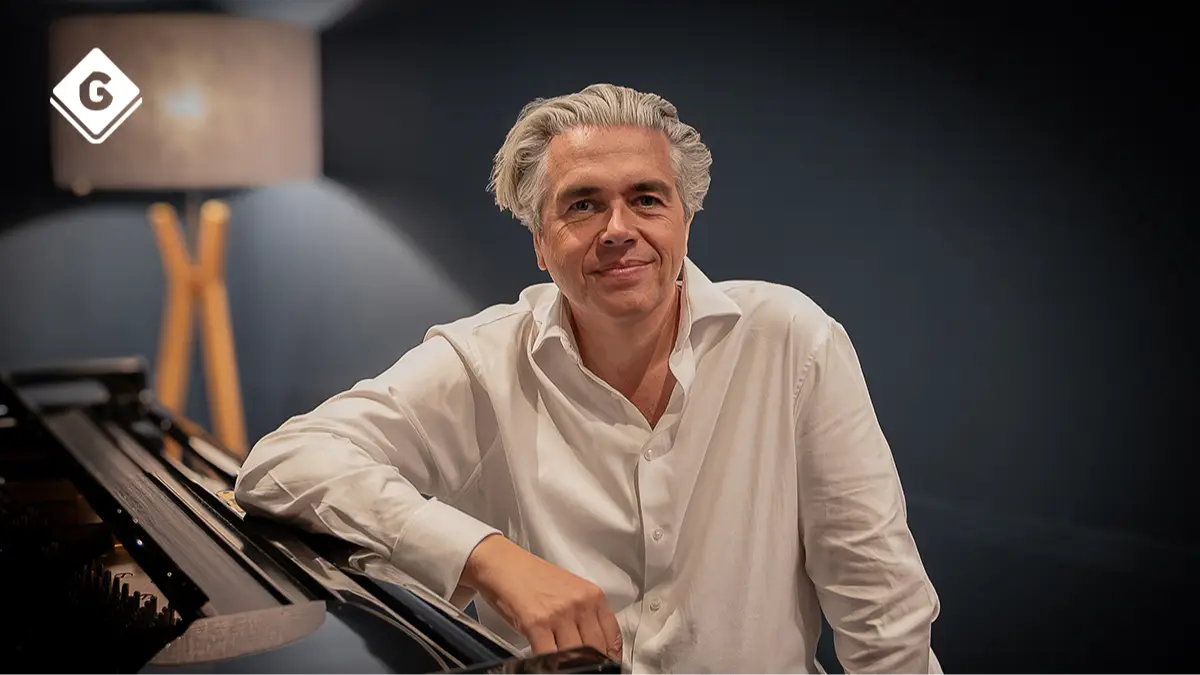
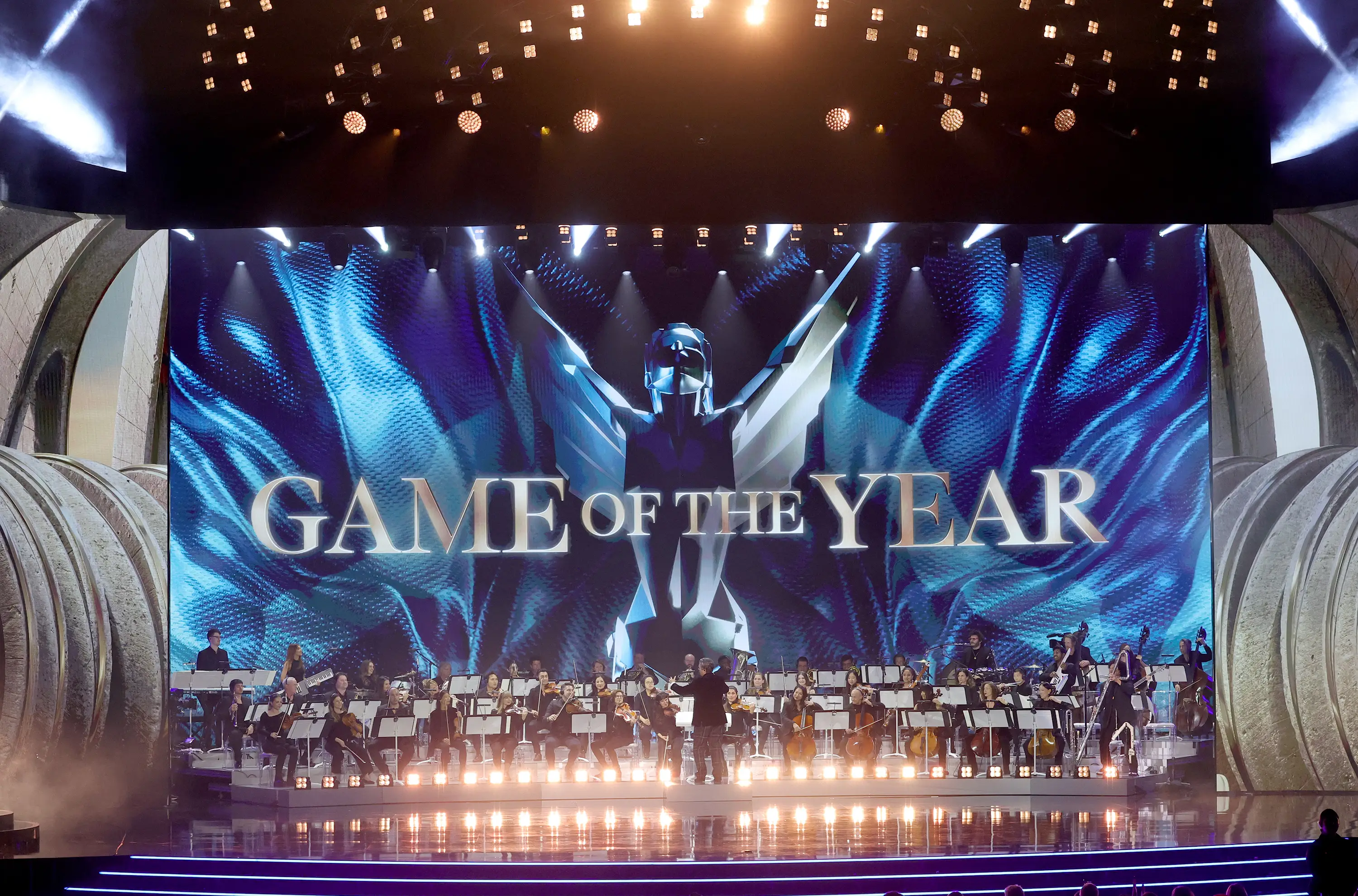
One of those was the prominent role of the orchestra and its composer, Lorne Balfe, who scored the whole evening with a ton of music from across the world of video games, including the ‘Game of the Year’ medley which takes a song from each of the six nominees and turns them into one beautiful composition.
If you managed to tune in, then you will probably have guessed that a lot of work went into getting it all together. Well, we sat down with Balfe to discuss what happens in the run up to the awards, including his approach to compiling the medley.
Advert
“A month before, I’m trying to predict and guess what the nominees are going to be, and in doing so, I basically spend that time sitting with my son researching the games and basically having an excuse to stay indoors and game,” Balfe explained to us.
“The main research, I find, is going online and seeing what the fans like. Just because it's the main theme of Death Stranding 2 or Expedition 33, it doesn't mean it's what's popular to the audience and the gamer. You really have to start by finding that out. What do they associate with the game? What does the gamer feel more connected to?”
He continued, “It's a mad rush as soon as that nomination gets announced. That day, I start making LEGO kits. I’lI have those themes in front of me and it's very much like Minority Report. I'm trying to figure out what is the joyride for the audience and what can lead into each thing naturally.”
The GOTY Medley Poses One Major Challenge
Despite the generally universal appeal of video game music, there is one potential sticking point that Balfe is very aware of when he sits down to put the medley together.
“The main problem is also who gets the kudos of ending the medley because I'm never going to keep everybody happy. That's the problem, it's like, ‘Well, why aren't I first? or Why aren't I last?’ but there is no favouritism,” he said.
“It's about what you can do for the audience to have something where everything flows. Medleys, generally in the past, stop and start and I can’t stand them. I like it where once we're off, we're off. I very much treat it as a remix and everything's got to connect and flow.”
As Balfe went on to explain, his work on video game music is about much more than simply jumping on a popular trend. Instead, he sees it as the perfect way to get younger people involved in the wider world of music composition.
“I'm really trying more to help the next generation to get into all of the industries, whether it's film, TV, or games. I'm always trying to find new talent to listen to and enjoy. Game music, to me, encourages younger audiences into orchestral music,” he explained.
“You're seeing more of it now, game music shows touring. It's very much about getting a younger audience to appreciate orchestral concerts, which I'm very pro.”
Game Music Has Not Changed As Much as You Might Think
As games have become more advanced and technology has moved on significantly, you wouldn’t be unreasonable to expect that the same is true for game music (I know I did). Interestingly, Balfe’s insight confirms that isn’t exactly the case, and developers have some catching up to do in the way that they incorporate music into their finished experiences.
“Weirdly, if we're going to look at it in a technical way, you would think it has changed but it has not,” Balfe said.
“The back belly of it and implementing it has obviously improved over the last 10 years, but the way the music is used and written has really remained the same. It's a conversation I have all the time with game developers that we're not evolving with implementing it in a different way. You would think that there would be a different way for the engine to take the music and be able to make it more bespoke to the player, but there isn’t.”
He continued, “I've been speaking to a few friends who are game developers and everybody has questioned why that is and how it can be improved. The strange thing about it is that there's never enough music written for a game.
“I always remember when we did Call of Duty [Modern Warfare 2], and it was a long time ago, I think we wrote about 28 hours of music, and there was no requirement to. It was kind of being naive in thinking, ‘Well, wait a minute, if the game plays 28 hours, why isn't there 28 hours of music?’ So the technical side of it has not evolved. What has evolved is the sheer standard of it.”
That raising of standards has been very noticeable across the board, particularly in very long RPGs which previously suffered from limitations that saw us listening to the same scores over and over. With games able to handle highly complex pieces of music now, it seems everyone has finally started to cotton on to just how exciting the games industry can be.
“No matter how you look at it, there has been a hierarchy within the world of media composing, and film composers have always in the past tended to be regarded as the superior ones. Those boundaries are gone now. I think every film composer is in games now,” Balfe said.
“There was a snobbiness regarding it, but I think the boundaries have gone. In the same way that film composers didn't do TV music and they all do now, so that is radically changed. But what's more interesting is the fact that when you look at the nominations for best score with the Academy Awards or with other high prestige bodies, it's always the same names. It really is all the same names.
“Then if a new name appears, that name will then appear every single year. It becomes very much the standard names all the time. The gaming world I just find so exciting because there are total long shots that all of a sudden appear and that composer wrote it in their bedroom and they're now on a worldwide platform. That is exciting.”
An Equal Challenge in Writing Music for Games
Writing across film, TV, and games gives Lorne a great window into how exactly it all works when it comes to preparing music for a piece of media, as well as any differences in the process when he changes medium.
Happily, it seems as though the process remains relatively similar, even if he does have to write significantly more music when he’s working on a video game.
“The parallels between all the journeys are just the same, you just write more music. With a film, we know what the arc is. You're able to sit back and simply know what that arc is. That, in one respect, is useful because you know the journey of that character's theme,” he explained.
“Whereas with a game, you don't necessarily know how it's going to be experienced, but there's still an arc, so you still need to understand the character's development. I think it's simply about the fact that as composers, we're all looking for projects that excite us and there's not many out there in life. That's the thing.
“There's only so many films that come out in a year or even two years that are unique. So why close the door when it's a medium that you're not necessarily connected to? It's the same way as if somebody who wants to work is doing a theatre play. It's a medium that you get to express yourself in and that's what you're looking for as a creative. You're really wanting to choose a medium where there are people that are passionate.
“I think that's really what it comes down to. I always choose projects based on the people who are making it. I don't base it on scripts because scripts change. I don't base it on who's in it because that changes. I base it on who is making it and who is behind it.
“When you see who's directing it or who's developing it and you see their body of work and you go, ‘That is what I like playing, that is what I like watching,’ that is how you choose it and that's why you want to be part of it.”
When it comes to games, Balfe certainly knows all the ins, outs, and potential pitfalls of creating a score. Some of the more notable titles he has worked on include Assassin’s Creed: Revelations and Assassin’s Creed III, and he explained how he tied together the modern and historical settings in those games to create a logical throughthread in what we’re hearing as we play.
“The thing is that you obviously sometimes sit and follow rules and you go, ‘What I see is what I want to hear.’ The rules are boring and I think that you're taking themes that have got to go between the different dimensions and the different periods of time,” he began.
“I think the point of it was to start manipulating things so that, yes, if you are in the future, you're obviously hearing a kind of a more synthetic score, with a more synthetic ambience to it. Weirdly, I just thought, ‘Well, that's what you normally do with the rule book. Let's just start taking the organicness and manipulating it.’
“Most of the time, what you were hearing actually was organic, which would have related you to the past, but it was manipulated into a more hybrid sound. So yes, it was more modern, but actually, it was what was in the other realm, just in case somebody noticed that, which I don't think anybody ever did.”
I like to think it’s the kind of thing that I notice when I play, but even if it isn’t, the fact that it’s there in the first place does something on a subconscious level to tie the whole experience together. Balfe’s work, and the work of many others like him, does that exceptionally well, so it’s only right that game music is provided a major spotlight at The Game Awards.
With plenty of strong candidates already lined up for next year, it’ll be exciting to see who manages to make the Game of the Year medley next time around now that we know how it is put together to create one epic soundscape.
Topics: The Game Awards, Interview