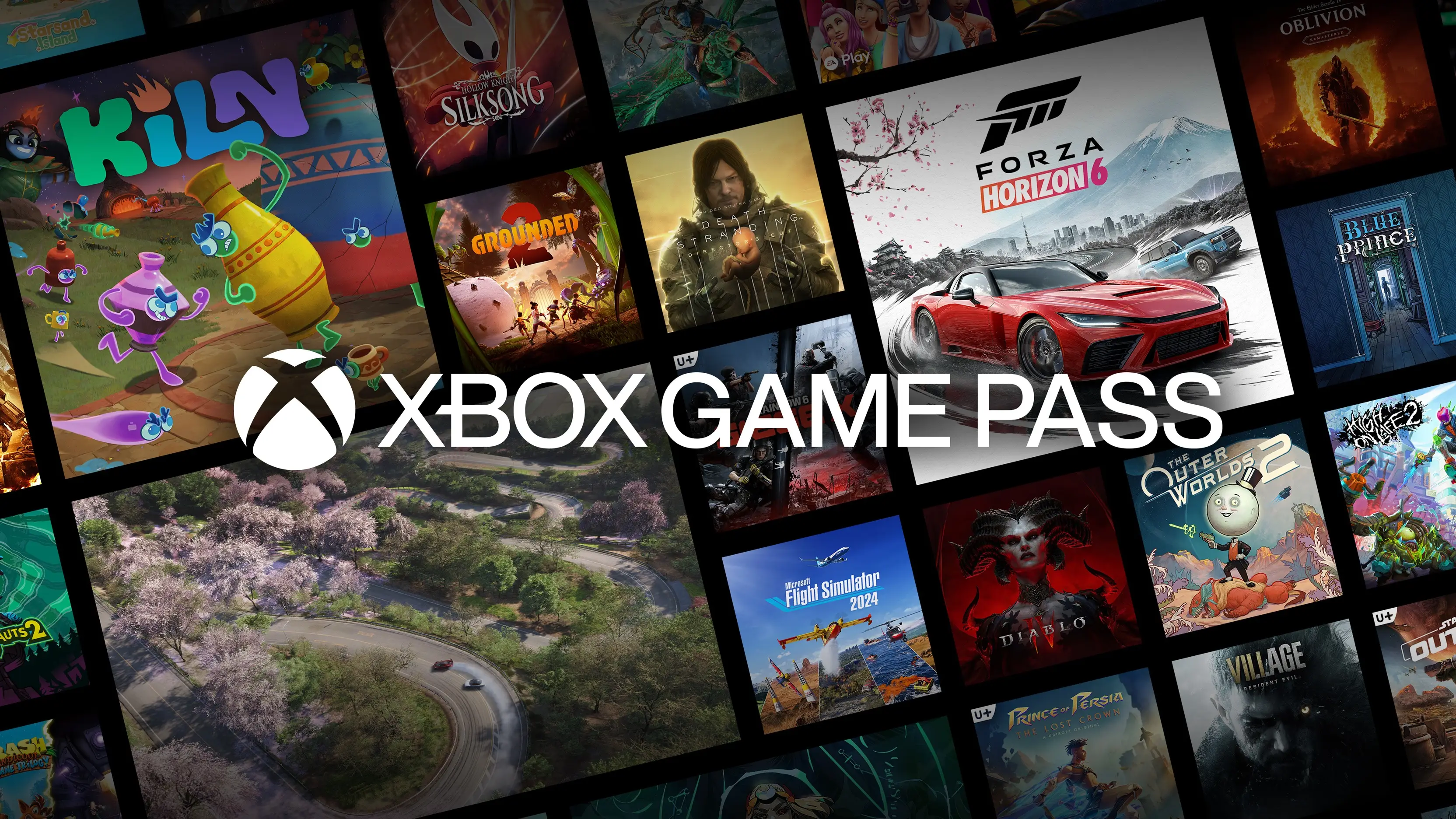
Layered progression and evolving worlds are turning Xbox Game Pass releases into long-term adventures



Modern games are no longer defined by a single playthrough. Increasingly, they are built to evolve — offering expansive worlds, layered progression systems, and flexible ways to play that keep players engaged well beyond launch.
With new releases arriving across console, PC, and cloud with Xbox Game Pass Ultimate, players are stepping into experiences designed not just to be completed, but to be returned to, refined, and redefined over time.
Expansive worlds invite players to explore at their own pace.
Large-scale, open environments have become a cornerstone of modern game design, giving players the freedom to shape their own journey. Forza Horizon 6 continues this evolution, transporting the Horizon Festival to a richly detailed Japan — from the dense streets of Tokyo to sweeping rural landscapes.
This sense of scale isn’t just about size. It’s about depth. Players can explore, race, collect, and customise at their own pace, building a connection to the world that grows over time. With hundreds of cars to discover and a map designed for both high-speed competition and open-road cruising, the experience continues to unfold long after the first race.
Layered progression systems reward experimentation and mastery.
Alongside expansive worlds, progression systems are becoming more flexible and player-driven. Rather than following a single path, players are encouraged to experiment, refine their approach, and develop their own playstyle.
Kiln takes this idea in a completely different direction. The pottery wheel creation system allows players to sculpt their own fighters, with each design choice directly influencing performance and abilities in battle. Starting with a limited set of shapes and clay sizes, players gradually unlock new tools and possibilities, adding layers of complexity to both creation and combat. Progression comes not just from winning matches, but from experimenting with new forms, refining designs, and adapting strategies as the system expands.
It’s a system that turns creativity into a core gameplay loop — where mastery is built through iteration rather than repetition.
Customisation and community are shaping long-term engagement.
Deeper customisation options are also playing a key role in how players stay connected to games over time. Whether it’s fine-tuning a car collection in Forza Horizon 6 or experimenting with new builds in Kiln, players are given the tools to express themselves — and evolve that expression as they play.
At the same time, shared experiences are becoming more central. Social features, collaborative modes, and community-driven events ensure that these worlds feel alive, with players contributing to an ever-changing environment.
The result is a shift from static experiences to dynamic ecosystems, where the community plays an active role in shaping how the game is experienced.
Flexible access is changing how players discover and return to games.
As games grow in scale and complexity, the way players access them is evolving too. With Xbox Game Pass Ultimate, players can jump into new releases from day one and continue their progress across console, PC, and cloud.
This flexibility supports the way modern games are designed — making it easier to return, experiment, and explore without barriers. Players can move between devices, revisit experiences over time, and discover new titles as part of a constantly refreshed library.
A new era of games built to last.
With expansive worlds, layered progression, and systems that reward creativity and experimentation, today’s games are designed for the long term. Titles like Forza Horizon 6 and Kiln highlight how different genres are embracing this approach — offering scale, depth, and freedom in distinct ways.
From open-road exploration to hands-on, system-driven combat, these experiences invite players to invest, adapt, and keep coming back.
With Xbox Game Pass Ultimate, that journey is always within reach — ready to evolve with every session.
Topics: Xbox Game Pass