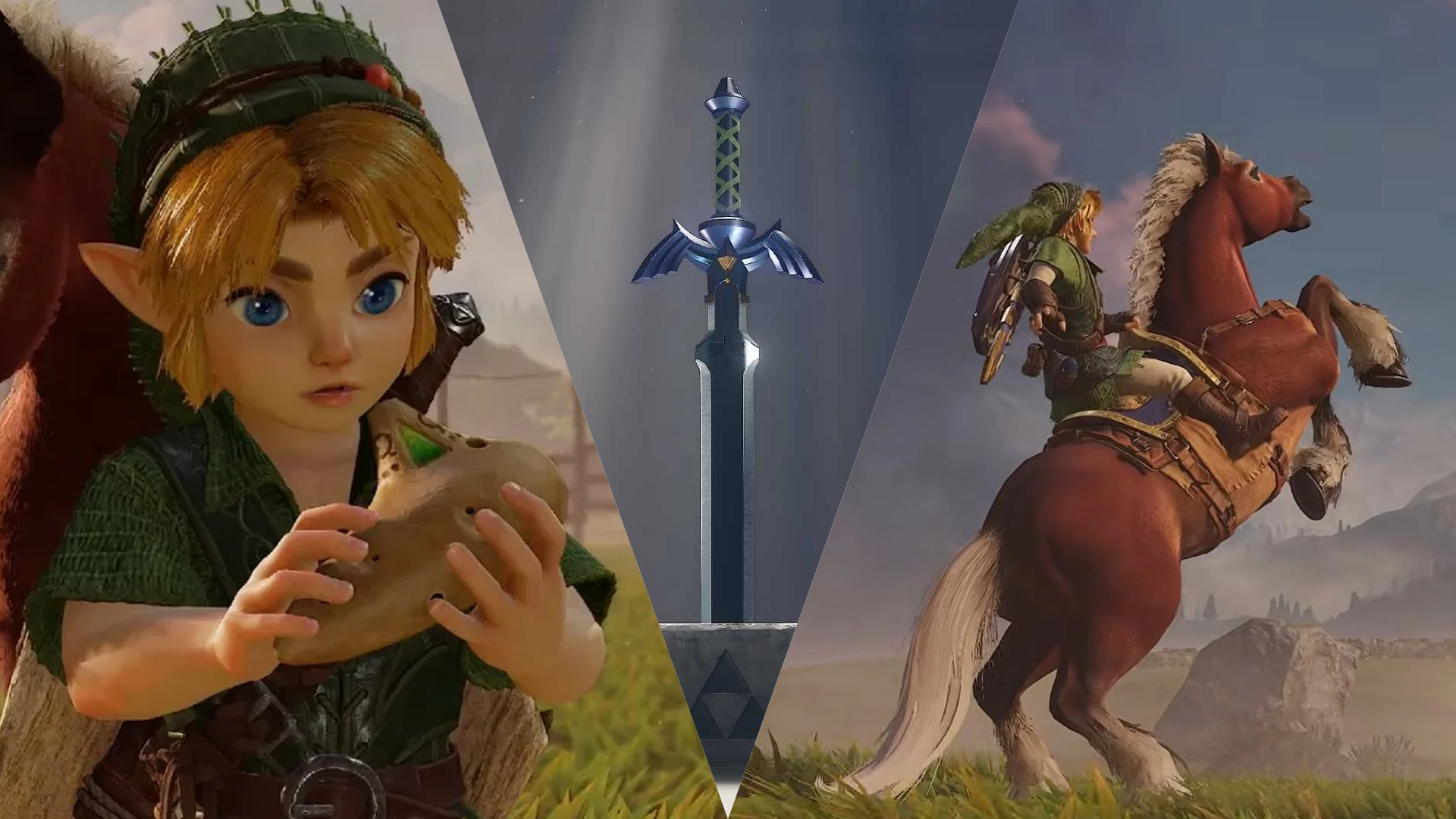
The Legend of Zelda Ocarina of Time remake single-handedly justifies the Nintendo Switch 2


The Legend of Zelda: Ocarina of Time (2026) is a masterful recreation of one of the best games ever made, and the sole reason for buying a Nintendo Switch 2.
It's been almost 30 years since Ocarina of Time was released for the Nintendo 64, and admiration for the game is still at an all-time high.
Nintendo’s decision to remake this legendary masterpiece was risky, but the developer has played it safe and kept things largely the same. However, is that a good thing?
What’s new in The Legend of Zelda: Ocarina of Time (2026)
For the remake, Nintendo kept things simple and chose modernisation over a full rework. This is largely the same game you knew and loved from the Nintendo 64, but with some noticeable quality-of-life improvements
Link’s altered moveset borrows heavily from The Legend of Zelda: Breath of the Wild/Tears of the Kingdom.
Advert
He can jump now, clamber up vines quicker and sprint after executing a roll. The inventory system has also been changed to the version found in the Nintendo Switch games. Instead of having three items equipped at once like in the old days, you now cycle through your entire inventory for what you want.
I didn’t like this at first. Muscle memory told me Link would automatically jump off ledges as he did in the original, so my first hour was devoted to breaking old habits.
You quickly adjust to the new controls, though. Part of me wishes you could still have the old inventory system mapped to the D-Pad, but it hardly makes a difference in dungeons; switching between gear is just as fast.
Additional amenities like an objective tracker, Ocarina songbook and gyro-aiming are also included.
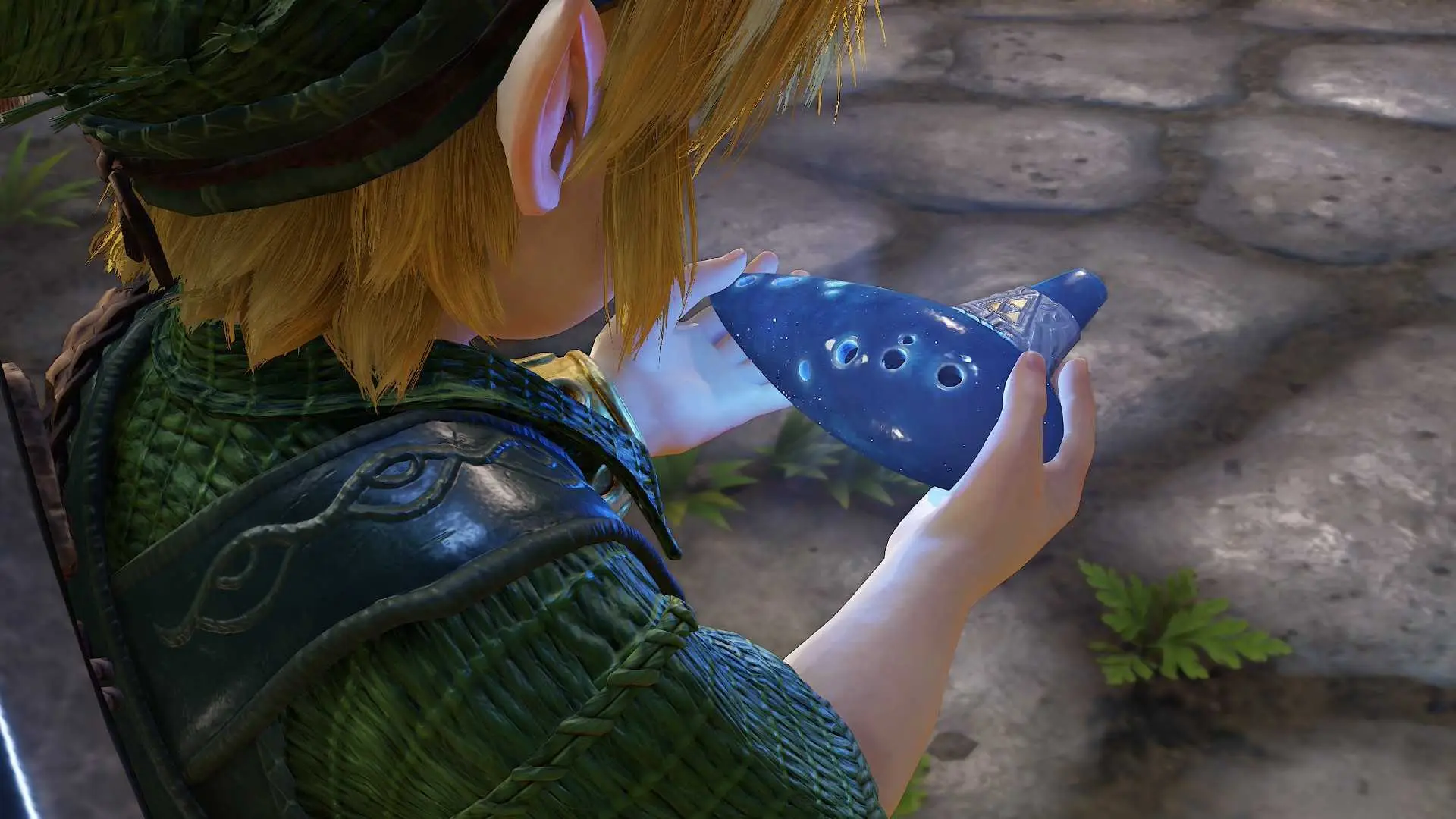
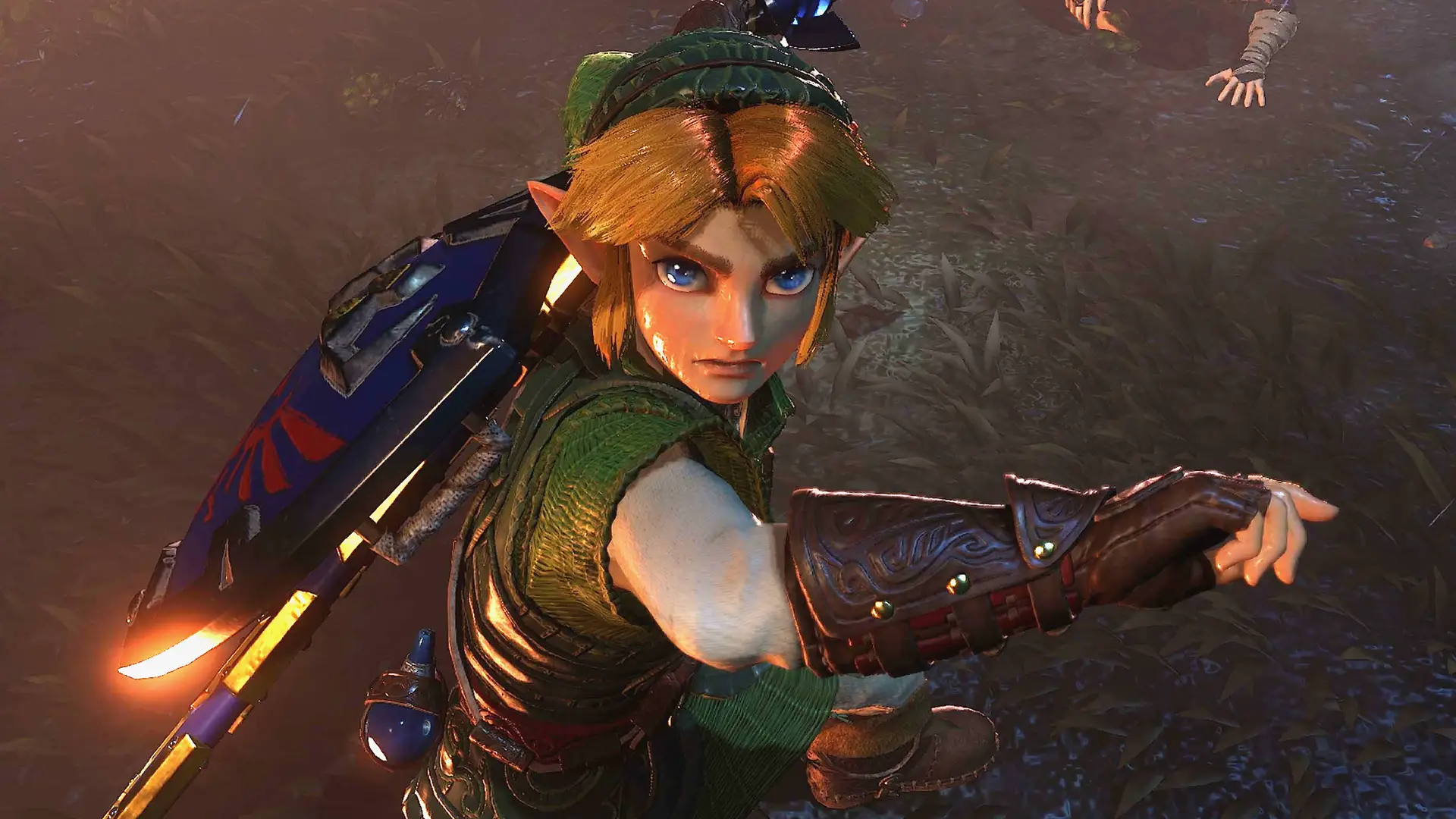
Combat feels like it’s had some work done to it too. For starters, it feels more fluid. Enemies feel faster and a bit more aggressive. They attack with more variety and tougher enemies like Stalfos feel like actual threats now rather than fodder. The game also retains its unique ways of dealing with enemies, like using the hookshot to interrupt their attacks.
Overall combat feels more engaging than it did on the Nintendo 64. Even with overpowered weapons like the Biggeron Sword, you still can’t drop your guard.
Finally, a new mode lets you rematch previous bosses and enemies you’ve encountered on your travels. This isn’t a feature I’d have expected or asked for, but sure, I’ll gladly fight Phantom Ganon and the Iron Knuckle again.
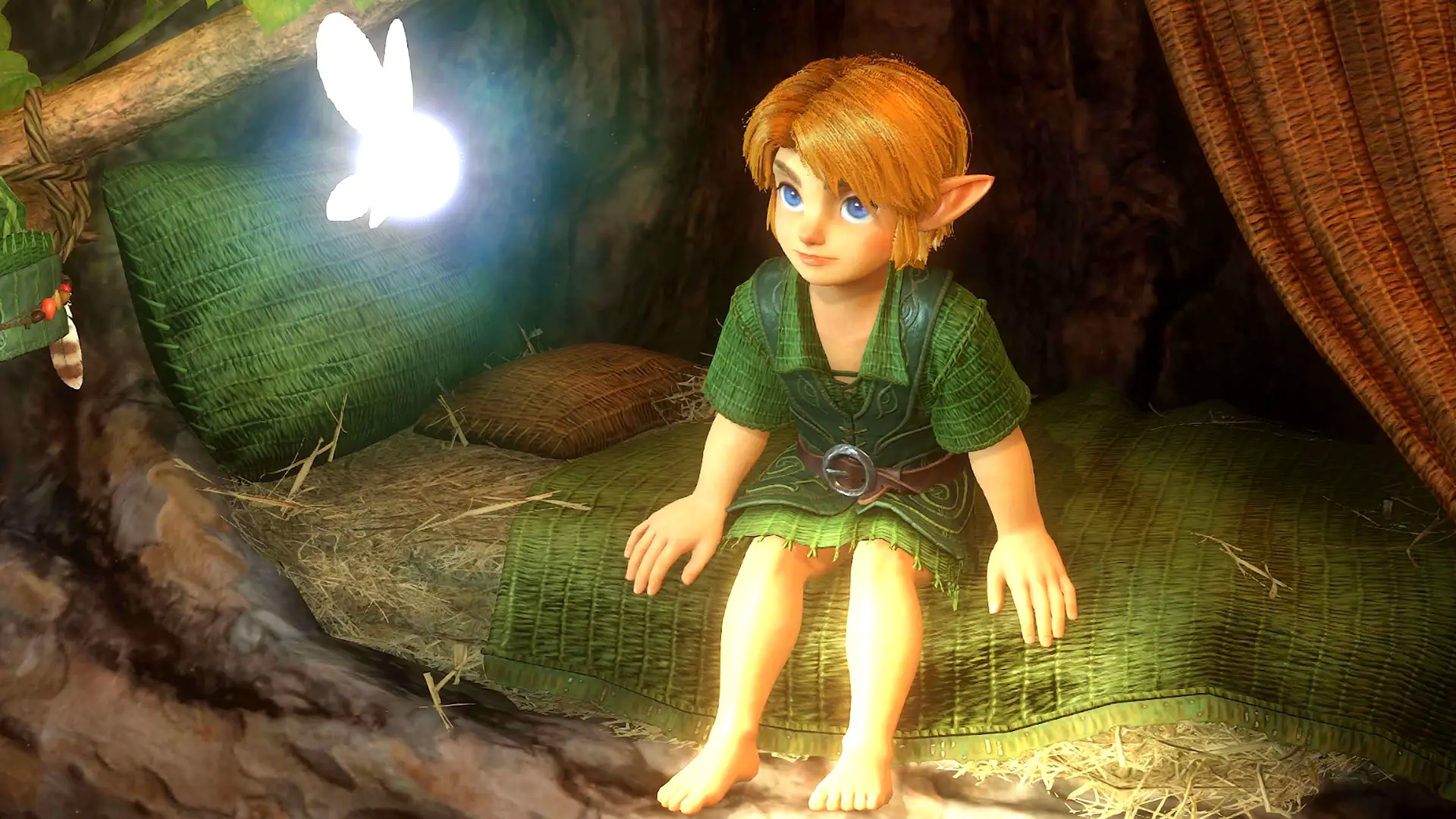
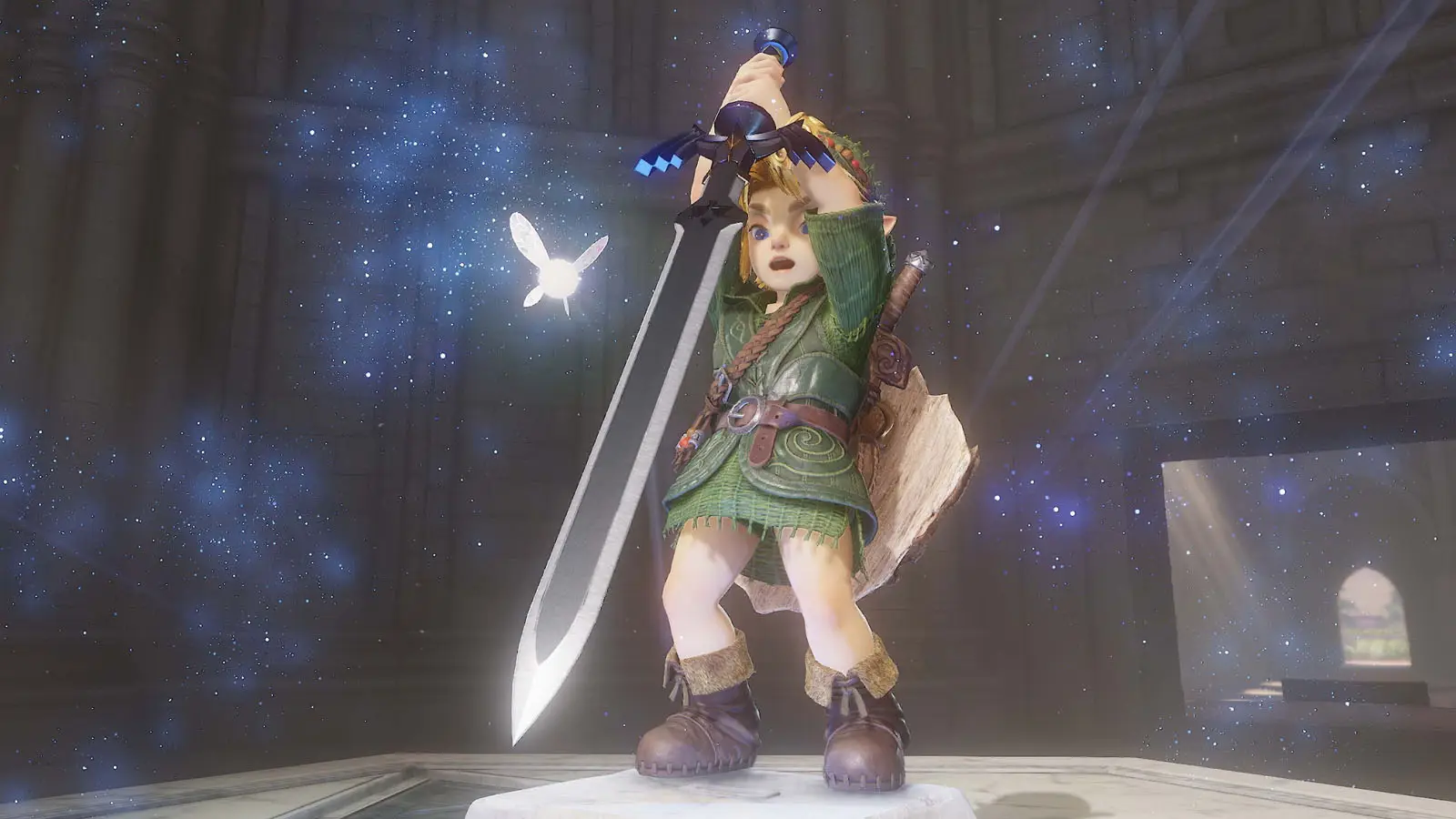
Rejuvenated visuals as gorgeous as the Great Fairy herself
I’d be remiss if I didn’t talk about the graphical overhaul. It’s immense. There was only one area in the entire game that I felt didn’t exceed the original in terms of atmosphere. It was a bit too clean for my liking, but the rest of the areas are magic.
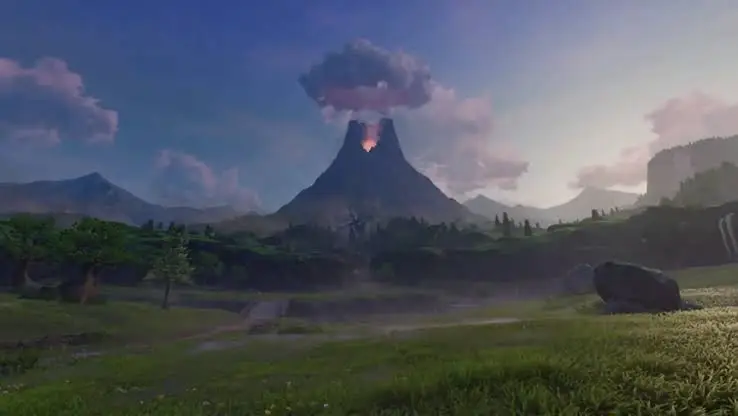
Stepping out onto Hyrule Field for the first time and soaking it all in topped the same reveal in Breath of the Wild, but perhaps that’s just the nostalgia talking.
Either way, Nintendo has done an excellent job of enhancing these areas whilst still keeping them both familiar and inviting/foreboding. Locations like Kakariko Village benefit from the new day and night cycle hugely.
It was honestly breathtaking. Despite knowing Ocarina of Time like the back of my hand, it felt like I was exploring every area for the first time, all over again.
Some new, voice-acted cutscenes helped with this as well. Ganondorf’s scenes in particular were always fun to watch, and while they don’t make a huge difference, they’re appreciated nonetheless.
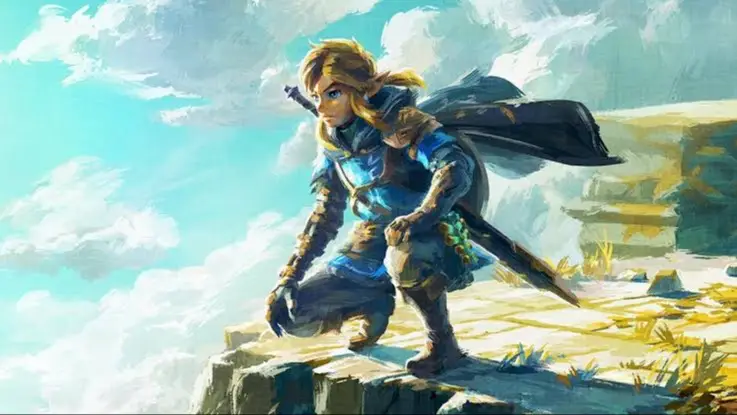
For Nintendo’s next Legend of Zelda game, I’d love to see these graphics used again. Breath of the Wild and Tears of the Kingdom were great, but the cel-shaded art style never appealed to me as it did for others. If not new mainline entries, I’d at least like to see Majora’s Mask remade in this style.
What’s missing from The Legend of Zelda: Ocarina of Time (2026)?
I’ve thought long and hard about this. Going into the remake, I was hoping Nintendo would revisit some of the cut content from the Nintendo 64 version, and reimplement it for the remake.
To be blunt, it hardly does that. Sure, Link can jump now, and the advanced hardware of the Switch 2 makes the world feel more seamless, but there are no new dungeons, usable medallions or locations to speak of.
Part of me is disappointed, but most of me isn’t surprised. It was a big ask and it ultimately could have done more harm than good. Ocarina of Time is a well-paced story, and while the remake could have filled it with bonus content, there are no guarantees that it would make the experience better.
While I’d have liked to see cut content like the sword-beam added in as a new ability, Nintendo’s decision to keep things largely the same feels like the right one when reflecting on my time with both versions.
Final thoughts
The Legend of Zelda: Ocarina of Time for the Nintendo 64 is an undisputed masterpiece, with the Nintendo Switch 2 remake being the sleeker, sexier new version with a few extra tricks up its sleeve.
While I’d have still liked the remake to explore some of that cut content from the Nintendo 64 era, I’m more than satisfied with this upgraded port. The measure of a remake is whether it should exist, and there are more than enough quality-of-life improvements here for it to justify its existence.
I’m keen to see where Nintendo will go next as it explores more remakes in the future, and not just for The Legend of Zelda series.
Those who are still on the fence about investing in a Nintendo Switch 2 should feel free to hop down. This is all the justification you need.
Pros: Plenty of quality-of-life improvements, cutscenes enhance the storytelling, visual identity is kept intact whilst bolstered by the Switch 2 hardware.
Cons: Nothing
For fans of: The Legend of Zelda, Super Mario, Nintendo
10/10: Perfect
The Legend of Zelda: Ocarina of Time remake launches on November 5 for the Nintendo Switch 2. A review code was provided by the publisher. Read a guide to our review scores here.
Topics: Reviews, The Legend Of Zelda, Nintendo Switch 2, Nintendo