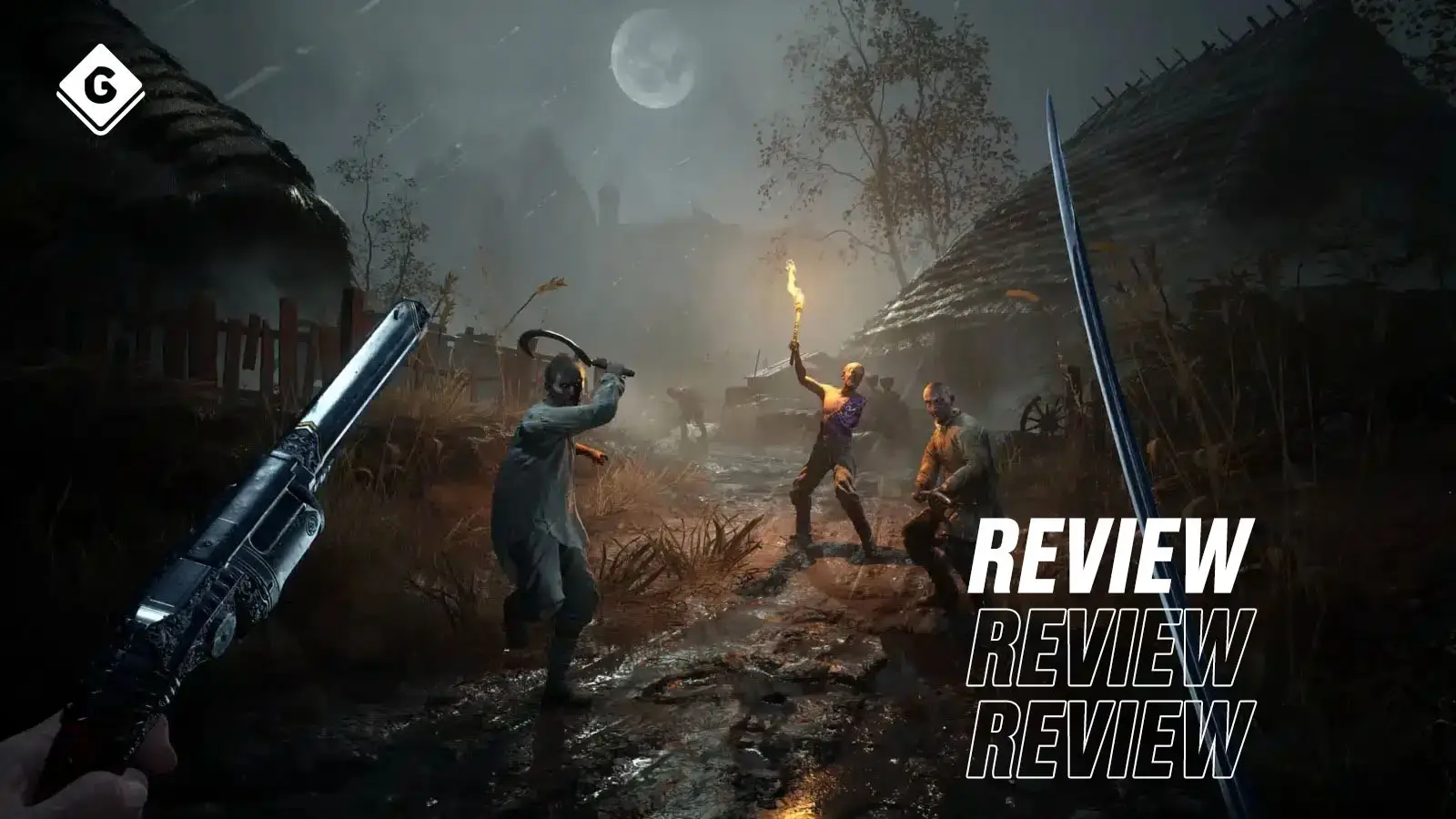
Valor Mortis’ take on 'FPS Dark Souls' is not quite as daunting as I expected


When I played a demo of Valor Mortis at Gamescom earlier this year, I found the game’s first-person combat to be a viable mix of Dark Souls and Doom.
Perhaps it was the fact that I was playing the demo on a busy showfloor, under the watchful eye of two developers from One More Level examining my every move, that led to me struggling with some of the game’s toughest enemies.
Even as someone who is often pretty good at soulslikes, it had me dreading playing the full thing, but I was also incredibly excited for it.
Playing from the comfort of my own home, it seems those fears have subsided. Valor Mortis is a tough game, but it’s not quite as daunting as I was expecting. In fact, I’ve found the game to be a rather approachable soulslike experience in terms of how it onboards the player.
Valor Mortis blends first-person combat with parkour
Valor Mortis is the latest game by One More Level, the developer of the cyberpunk parkour series Ghostrunner.
Advert
In a major departure to its previous two releases, Valor Mortis is an alternate history set during the Napoleonic Wars where a devastating supernatural plague has ravaged Europe, turning everyone, from soldiers to peasants, into undead monsters.
You play as William, a fallen British soldier serving in Napoleon’s army, who has been brought back to life and must now fight his former comrades while unraveling the mystery of the plague and his own resurrection.
On the whole, Valor Mortis plays out a lot like you’d expect a soulslike to. You make your way through a sequence of different settings and locations, fighting twisted monsters who have been affected by the plague and no longer resemble their former selves, all based on real infantry-types which were used by Napoleon’s army in real history.
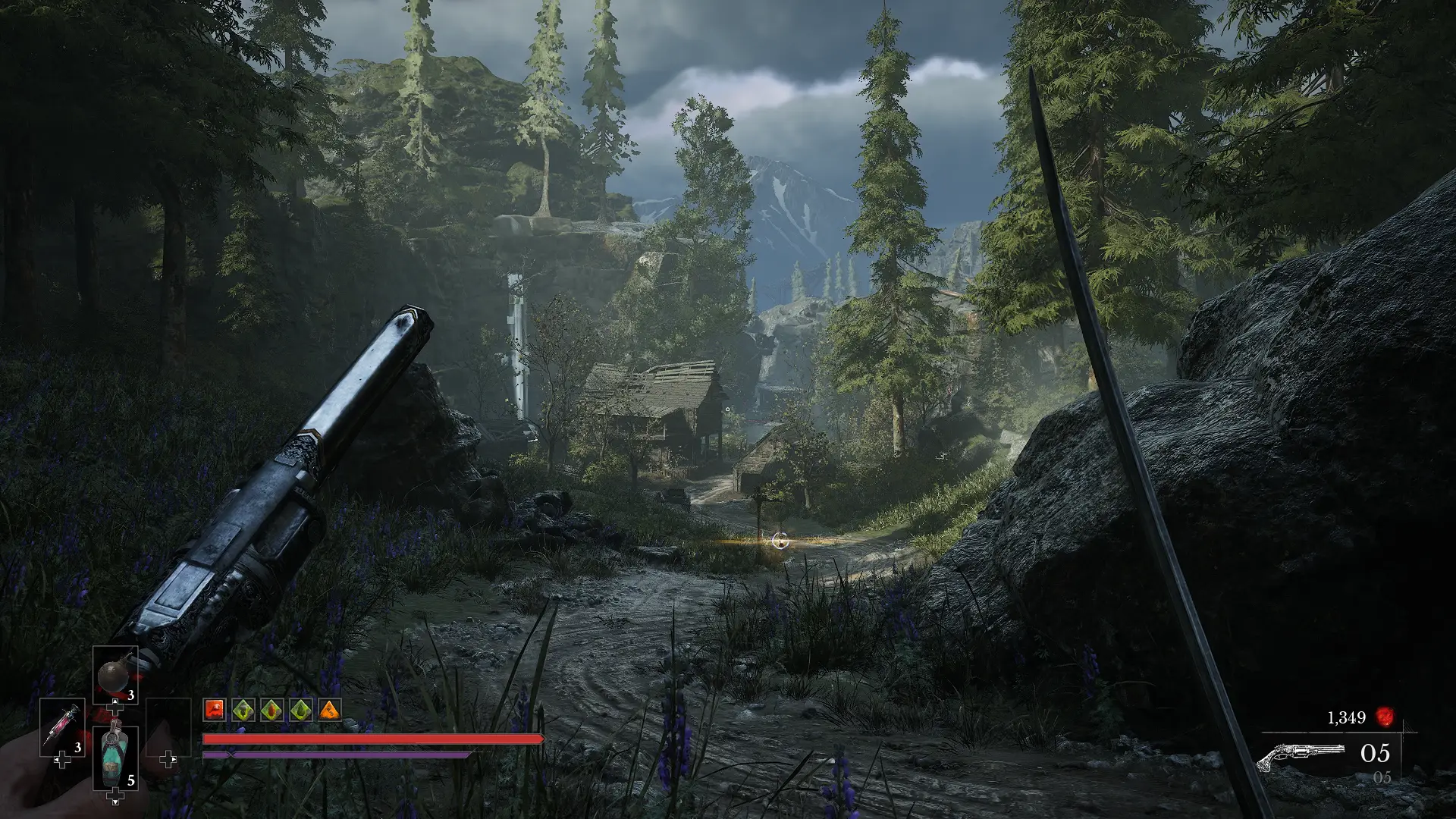
The game starts off by throwing you into fighting infantry and soldiers, small potatoes enemies who aren’t too threatening on their own, but can be dangerous if they catch you off-guard. Slowly, you’re introduced to more powerful foes as the opening few hours go on.
Some of these enemy designs are grotesque, resembling the abominations of John Carpenter’s The Thing or the works of H.P. Lovecraft, with large boils on their bodies to signal weak points that you can target.
This includes the grenadier unit, consisting of two enemies which have fused together at the waist and lob grenades at you while using a large arm to protect themselves, as well as a variety of tall soldiers which block off routes and are quite tough to kill.
There’s also a fun spin on the traditional dog enemies, which are actually formerly humans who now hunt in packs on all fours, whose bonnet à poils have turned into beastlike jaws.
The first-person perspective is flawed, but just about manageable
In addition to his swords and firearms, William also gains special magical abilities called ‘transmutations’ as part of his resurrection. These abilities range from things like being able to set enemies on fire to being able to freeze them. They also have uses outside of combat, such as to solve puzzles or open up new routes. Fans of Ghostrunner will see the DNA of that series replicated here, with William’s abilities playing a key role in the supernatural parkour he can perform throughout each level.
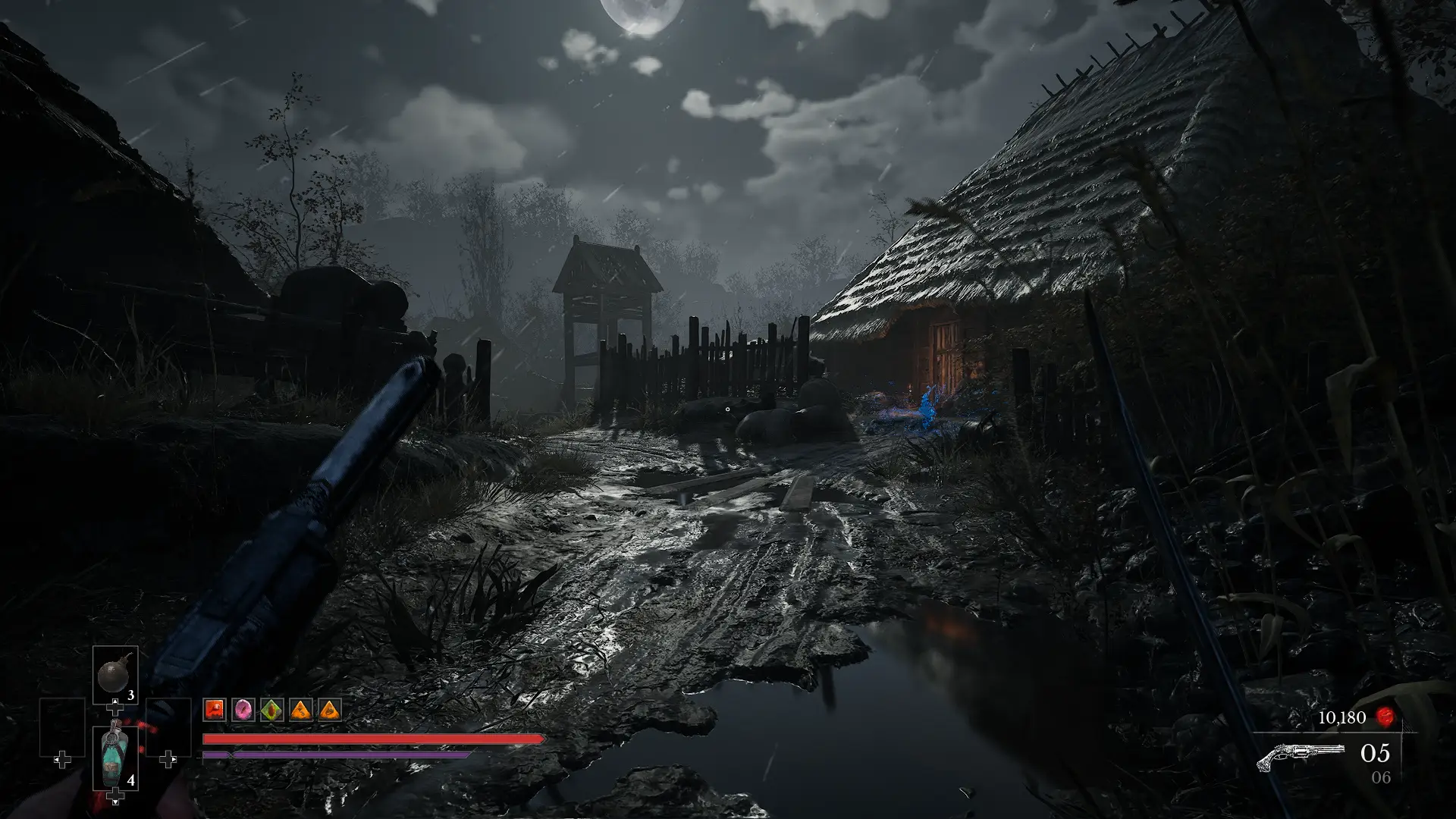
On the other hand, I’m not fully convinced that first-person is the right way you can enjoy a soulslike. Given the studio’s experience with first-person games, it makes sense why One More Level would utilise this perspective for Valor Mortis. And fortunately, most enemy encounters seem to be one-on-one, eliminating the need to keep track of multiple enemies that are off-screen.
However, it does become a more frustrating experience when playing in close-quarters environments. A lot of objects can't be broken or vaulted over, which severely limits your traversal when in a tight room or corridor. There’s nothing more frustrating than dying because of a dodge that didn’t work because you got stuck on the level geometry, and this is exacerbated with the first-person view which limits what you can see in your surroundings.
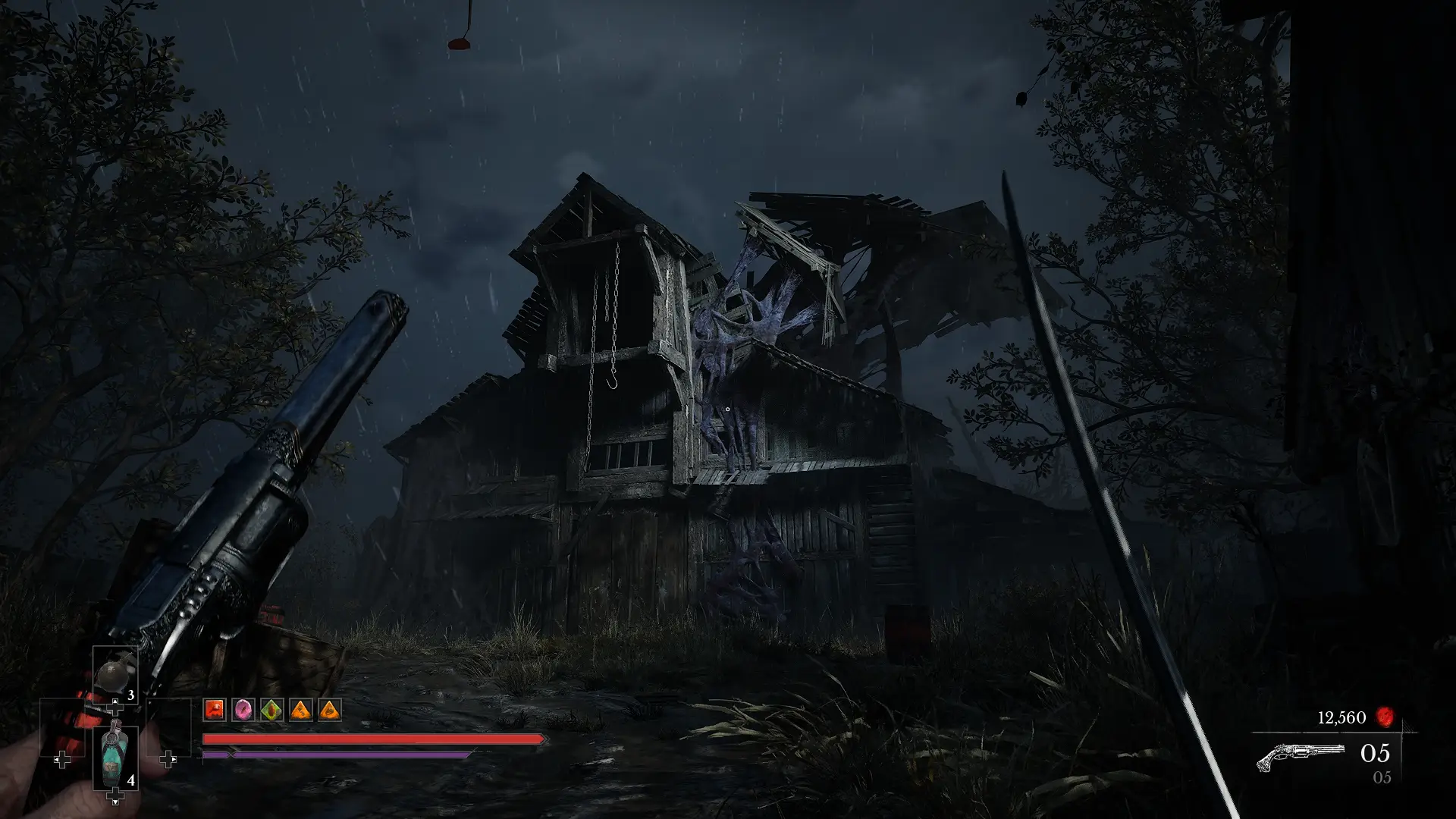
There is some tremendous level design at play here
We’d compare the level design of Valor Mortis as closer to Dark Souls or Demon’s Souls rather than Elden Ring, as it’s not an open world game, and each level is carefully constructed along a linear route to keep your focus on the main quest rather than getting distracted by side activities.
With that said, One More Level has also added several optional side quests and minibosses guarding loot which are useful to complete if you want to get stronger. The side quests in particular feel really well-designed, consisting of meaningful storytelling focused on ordinary people and soldiers who have been affected by Napoleon’s battles. Each one feels unique, and don’t feature simple cut-and-paste fetch objectives.
Of course, in traditional soulslike fashion these locations also feature lanterns which William can rest at to recover health and upgrade skills at the cost of respawning enemies. These lanterns are placed rather sparingly, so you’re not constantly overloaded with new ones. It gives you a little bit of joy to see a new one appear.
These lanterns also draw attention to something I believe One More Level truly gets about designing soulslikes: boss runbacks. Easily one of my biggest pet peeves about games like Dark Souls or Hollow Knight are those long runbacks to boss rooms, which can sometimes take you several minutes just to get back, only to have you die pretty quickly and restart the process.
Luckily, that’s not the case here. Lanterns are placed before pretty much every boss encounter, allowing you to make changes to your gear and ready up for any conflict without having to run through a series of tough enemy and platforming encounters just to get back to where you are.
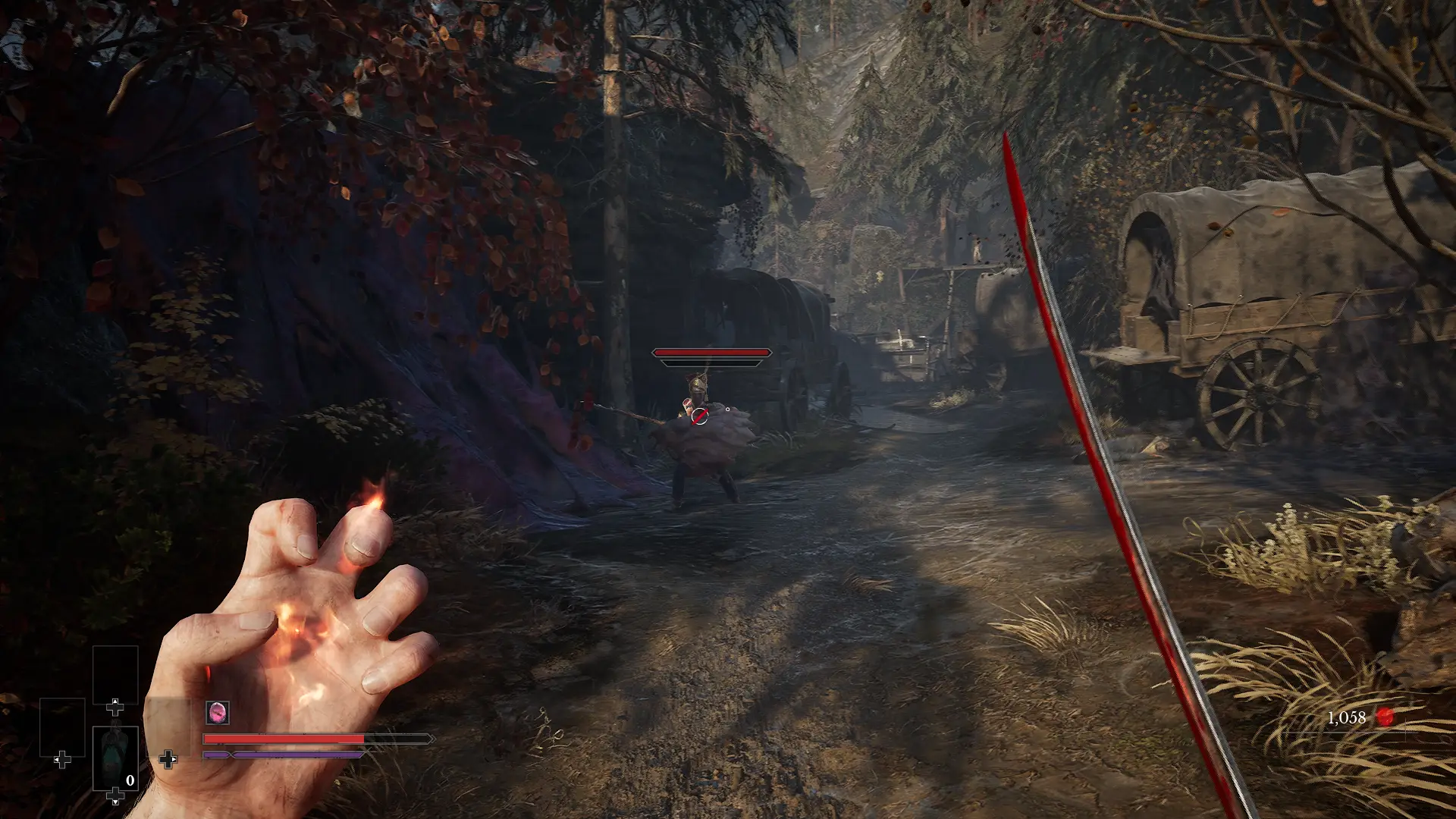
Similarly, looping world design is also used rather well here. Verticality is a huge part of Valor Mortis’ levels, where you’re constantly opening up shortcuts and new routes to shorten the time if you need to get back somewhere specific after a death. Some lanterns have as much as 3–4 different shortcuts you can open up, and it achieves this without making the world feel too artificial.
In terms of how the difficulty of Valor Mortis stacks up, I’d say the game is a lot more approachable than Ghostrunner was. If you can get over the initial hurdles of the game’s combat, the first ten hours of the game are pretty easy. From there, however, it really depends on how well you’ve adjusted to the Sekiro-esque parry combat, which becomes more of a lifeline for those who prefer an aggressive fighting style.
This is where it gets a little more frustrating, as most bosses end up having a surprise second phase, which is starting to feel overdone in the soulslike genre (if you're not doing it as well as Guardian Ape, don't do it!).
Some frustrations with the first-person camera aside, Valor Mortis is a very capable soulslike that is well worth checking out during this busy season of game releases, even if there isn’t a whole lot of new elements that it brings to the table.
Pros: Excellent level design, engaging side quests, fun combat
Cons: First-person view feels limiting, frustrating boss design
For fans of: Dark Souls, Ghostrunner, Sekiro: Shadows Die Twice
8/10: Excellent
Valor Mortis will be released on October 13, 2026 on PC (version tested), PlayStation 5 and Xbox Series X/S. A review code was provided by the publisher. Read a guide to our review scores here.
Topics: PC, Reviews, Dark Souls