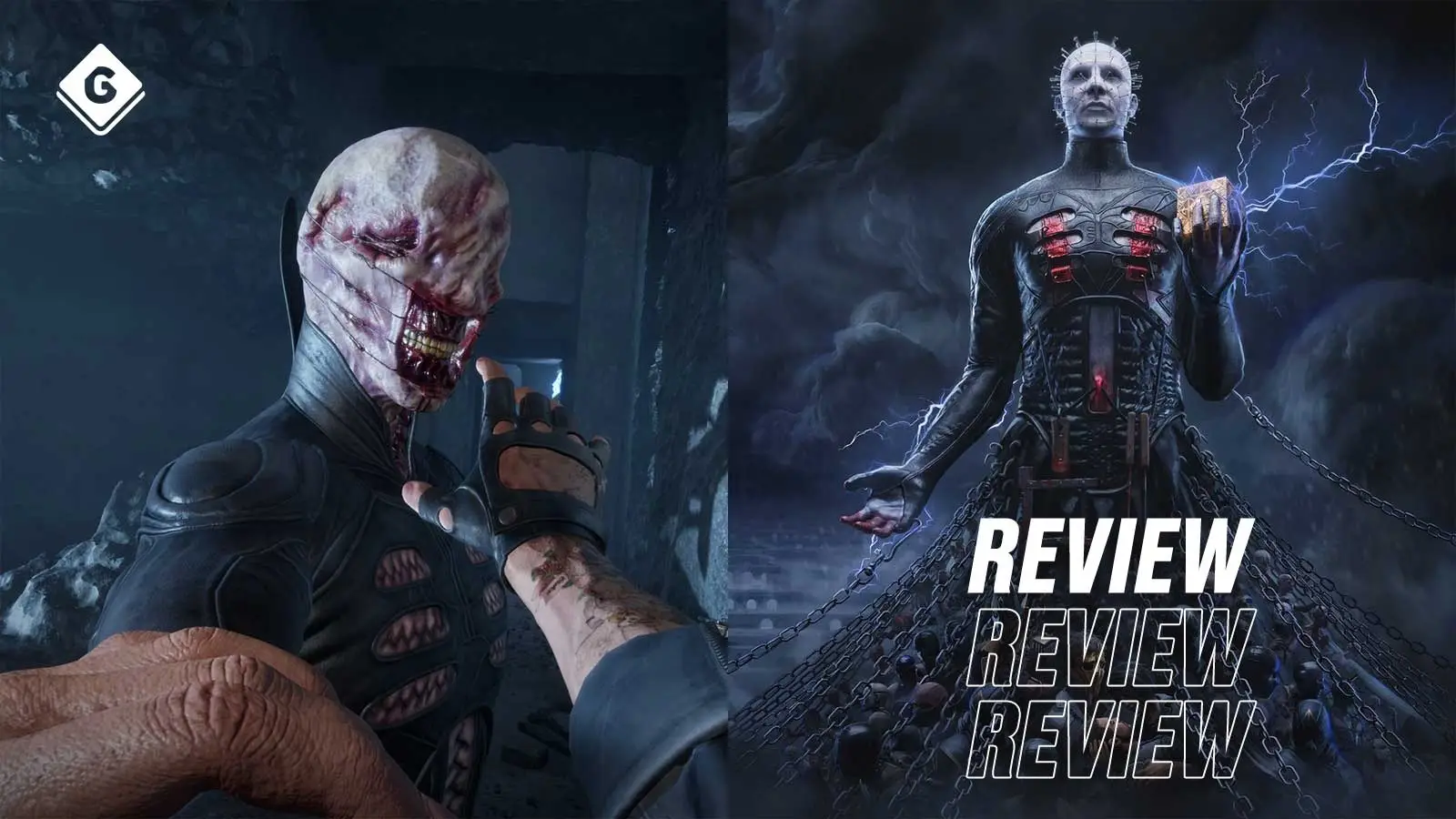
Clive Barker's Hellraiser: Revival is a stupefying rollercoaster of pain and pleasure


Clive Barker's Hellraiser: Revival is a mixed bag of pain, pleasure, and fan-service. It gets a lot right, but a lot wrong, and it took me longer than I expected to buy what it was selling.
It’s a lot like the films in that way. They vary wildly in quality and when I retrospectively look back at the series, I think I can only stomach the first two. Fortunately, that’s less than you actually need to understand the game.
You follow Aiden, who finds himself thrust into the world of the occult and demonic on a quest to return the love of his life to the land of the living. Along the way, he crosses paths with a sadistic and lustful cult, who worship otherworldly entities called the Cenobites; demons to some, angels to others.
Saber Interactive proves to have a genuine passion and understanding of the Hellraiser mythos, while making the game accessible to those who have no idea what Cenobites and their demonic rubik’s cubes are all about.
Advert
I’m actually somewhat envious of those who’ll be going into this game completely blind, as when I first laid eyes on the sprawling Labyrinth with Leviathan lurking in the sky, I was completely dumbstruck. The supernatural scale gets top marks.
Hellraiser: Revival doesn’t pull its punches with gore and shock-horror
Unlike other horror franchises, the Hellraiser series has never been one for jumpscares. Hellraiser: Revival knows this well.
The true power of Hellraiser is discomfort. There are some truly graphic visuals found in the films and the game isn’t short of them either.
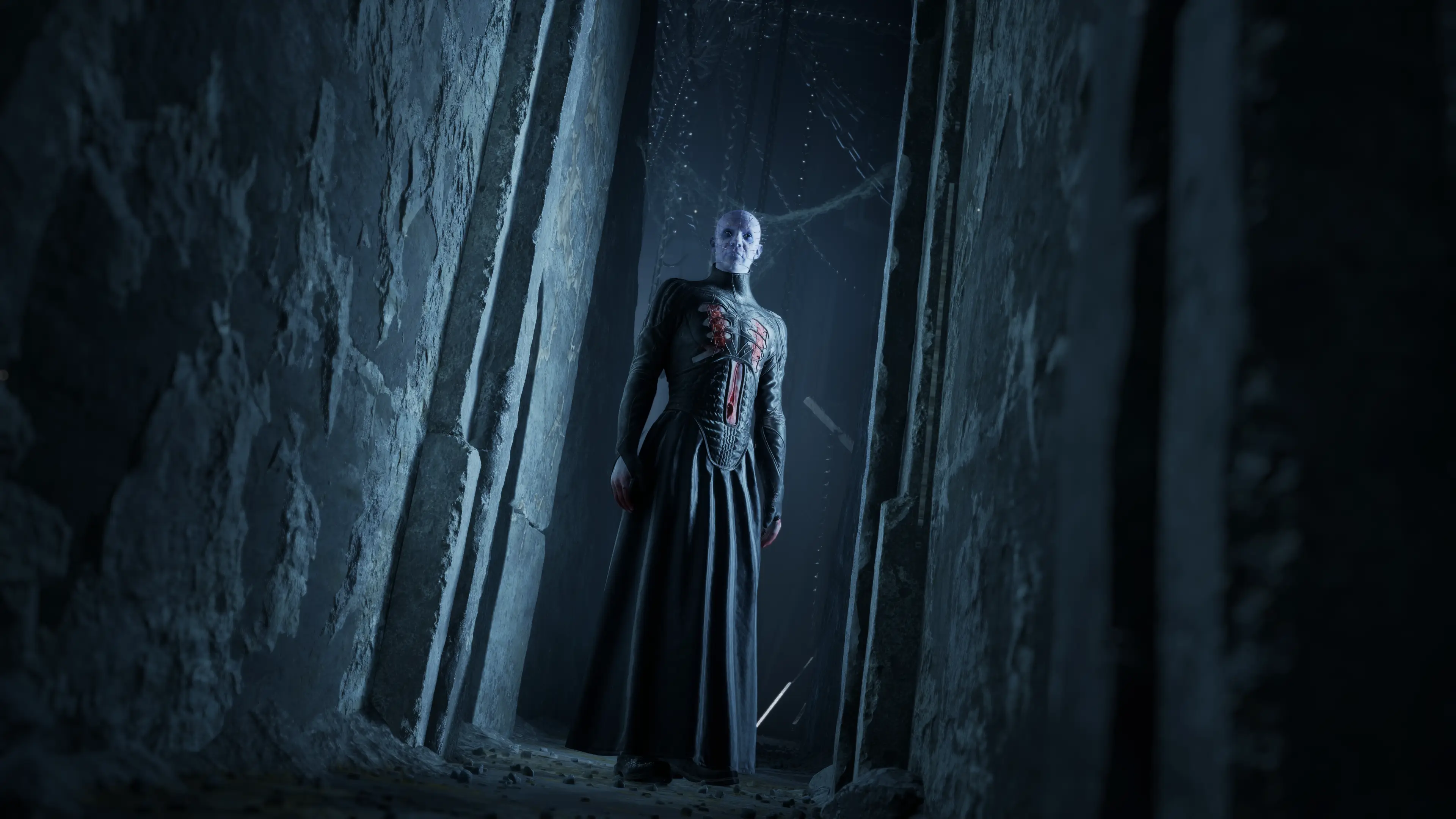
Non-stop, gory displays of the cult’s ‘art’ made up the first hour of the game and while it’s not in your face 24/7, it’s not toned down for the rest of the game.
Combat and stealth are a waste of good suffering
When I previewed the game at Summer Game Fest earlier this year, the first-person shooter gameplay baffled me.
Now that I’ve played the full-game and given it a fairer chance, I’d say it continues to be jarring, and I’m expecting gamers to either love or hate its brutality. The best way I can describe it is Resident Evil mixed with BioShock.
Aiden can find a generous supply of melee weapons to defend himself with. They have limited durability, but can be restored with repair kits. Packing a greater punch are guns. You’ll collect these as you advance the story and can buy some from the in-game merchant too. The downside is the game’s quite stingy with ammunition. It’s around if you really look, but if you want to stay stocked-up, you’ll need to dedicate time and resources to crafting bullets.
Unfortunately, this side of the combat never struck a chord with me. It felt like I was playing Resident Evil 7: Biohazard after it’d been dipped in molasses. Close-ranged encounters would often feel sluggish, cheap, and ultimately unsatisfying.
However, something I did appreciate was the enemy variety. Some would show up wearing armoured BDSM gear which meant you couldn’t rely on headshots to put them down. You’d either have to crack their armour with something blunt or aim for the squishier parts, which is tougher than it sounds given how aggressive they can be.
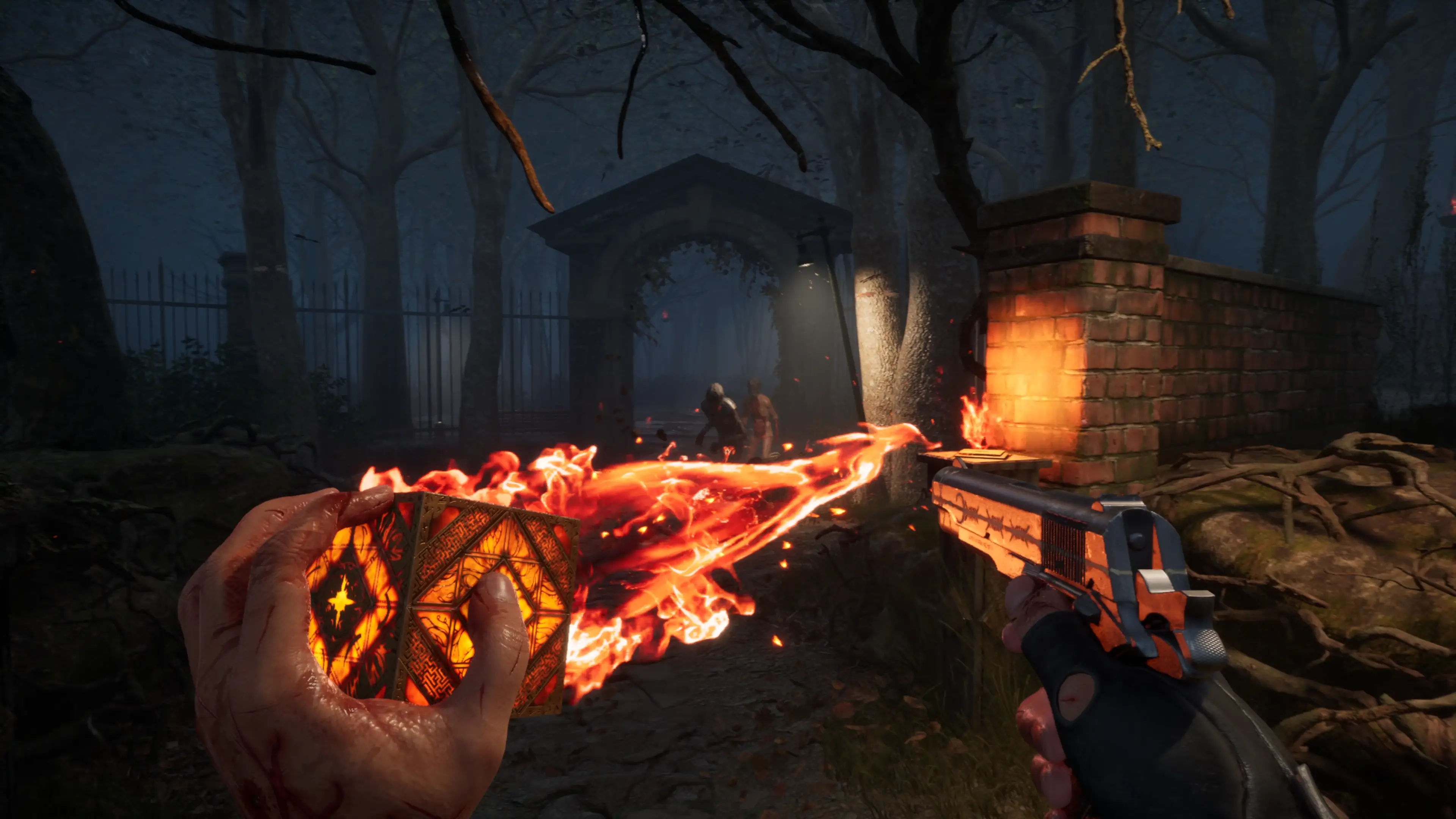
Something else I loved was the Genesis Configuration. This is where the BioShock elements come into play. Using the power of this magical puzzle box, you can telekinetically hurl spikes, saw blades, fireballs, and more at your foes. Each usage depletes some of its charge, but you can give it more juice by inflicting suffering, which basically means hurting enemies.
At first, I tried using the Genesis Configuration sparingly, but after the close-quarters combat and gunplay started to get on my nerves, I started spamming this glorious device as much as possible. It’s so fun to use and it only gets better as time goes on.
While there are several enemy encounters and bosses that you’re forced to partake in, you can circumvent a lot of confrontation through stealth. I actually preferred the stealth sections, but not for the reason you’d expect.
Mechanically I think it’s pretty sound. You can throw items like bottles to draw patrolling enemy attention, perform stealth-takedowns, and keep an eye on the floor at all times for twigs or broken glass, which make a crunchy noise that alerts anyone nearby.
You’re forced to stick to the shadows as much as possible, or if you’re outside, take shelter in foliage.
The main problem here is pacing. If you’re not patient, you’re going to get caught pretty quickly, but in my experience getting caught doesn’t carry the same urgency as other games. It’s very easy to throw people off your trail and while I can’t confidently say every encounter is structured like this, I found that a lot of the stealth sections actually had a very clear and obvious exit you could just sprint to, thus saving you the hassle. You’ll probably take a few scrapes on the way, but if you duck and weave through cover, you can pass the boundary to safety very quickly.
The last thing worth quickly touching on is inventory management; it’s not as satisfying as you’d hope. The game routinely told me that I didn’t have enough space to pick something up, but I did, I just needed to move things around. Rather than let you do this as you're picking something up, I had to awkwardly drop things on the floor, grab what I wanted, re-organise and pick up the stuff I just dropped. It also wouldn’t let me swap items around unless they were the exact same shape, which just added to the frustration. It’s a small complaint, I know, but it was a regular problem that ground exploration to an agonising halt.
Overall, combat and stealth felt painful at the worst of times, and vexing at best. Ironically, that’s very in-line with the mythos of Hellraiser, but it doesn’t make for a good gameplay experience.
Puzzles to rival Resident Evil and Silent Hill
When combat and stealth soured my mood, my spirits were quickly lifted every time the game presented me with a fantastic puzzle.
I love an escape room-esque brainteaser and Hellraiser: Revival is full of them. Sliding puzzles, statues missing appendages, pedestals waiting for suspiciously shaped objects you found in another room; all of that and more, I loved it.
Some gates or doorways also required the Genesis Configuration to open. The box clicks apart prompting you to twist and turn it to the desired shape. It was oddly satisfying and a little bit therapeutic to be honest.
While a lot of the puzzles are found in the real-world, The Labyrinth was the game’s opportunity to get weird with it. As expected, it grasps that opportunity with both leathery hands.
While the Genesis Configuration has its uses in combat, it gains more power in the Cenobite’s domain. You can use it to manipulate the environment by moving platforms, blocks, spinning deathtraps, and more. There’s a lot of problem solving and sometimes the clock is ticking.
This is also where you’ll interact with some of the iconic Cenobite characters seen in the films. I was overjoyed to see Chatterer teleport into the corridor I was walking down; less so when he started ominously marching towards me.
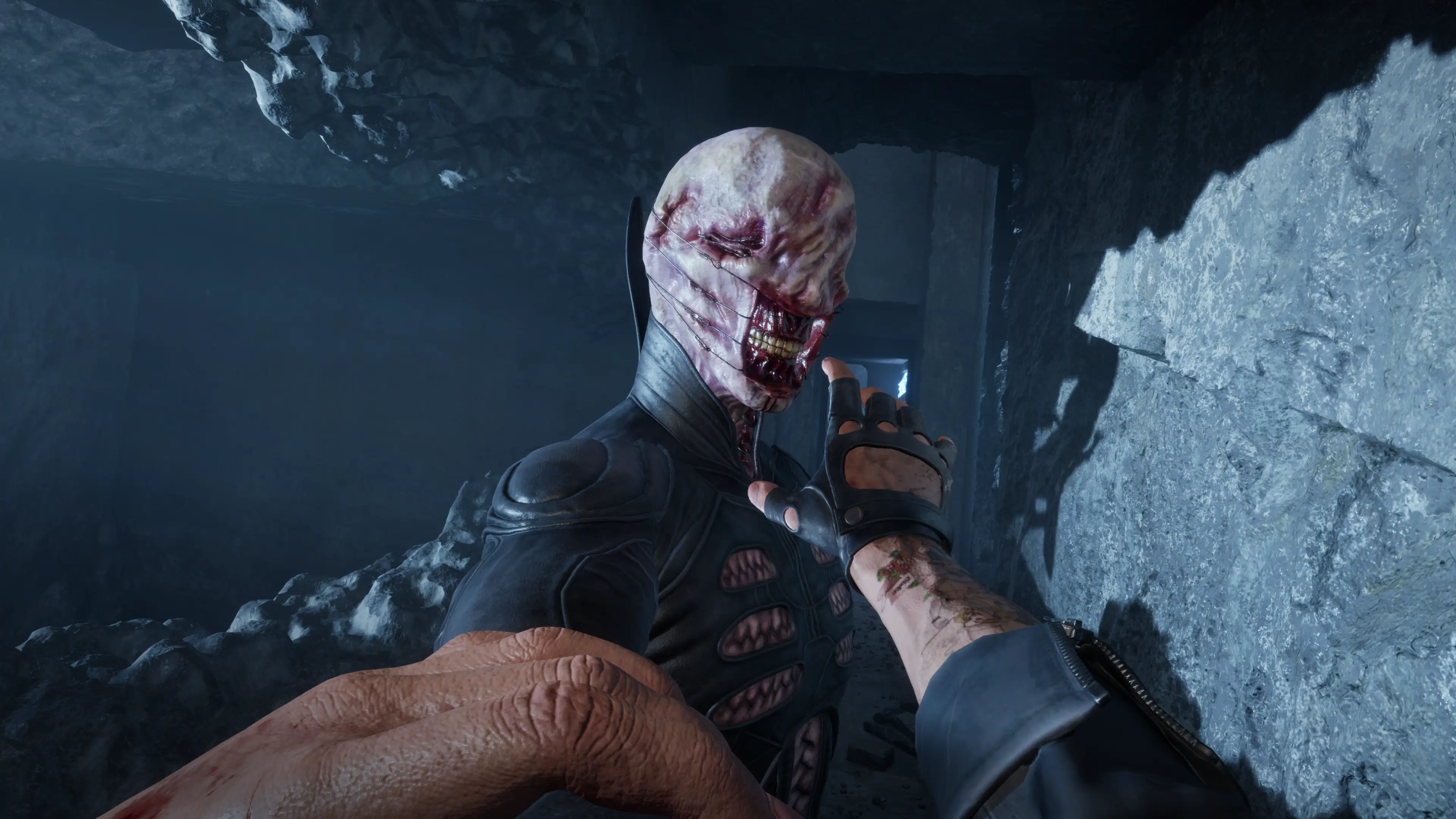
Again, the lore runs really deep in these portions of the game. It’s the closest the game gets to fan-service as those with a strong understanding of the Cenobites and the realm they inhabit will get a real kick out of exploring it for themselves.
Some of its tricks get a little bit repetitive after a while, like looping rooms and disappearing pathways, but it’s still great fun. I especially loved Leviathan’s foreboding presence, and the way Cenobites would just comfortably stroll through the Labyrinth's hazards, highlighting how out of his depth Aiden is.
Final thoughts
Hellraiser: Revival is a flawed, if not admirable take on a Hellraiser video game. It gets so much right, but it’s stretched a little too thin in my humble opinion.
Given how the story, settings, and puzzles are by far the best part of the game, I’d have liked to see even more of that. The films were never over-the-top action flicks, they became cult-classics because of how they differed to other films in the genre.
Out of combat and stealth, I’d have gravitated more towards seeing an improvement of the latter. Melee combat could have been more refined, and the Genesis Configuration could have replaced guns entirely. Stealth as it currently stands is functional, but too easy to abuse and skip, so there’s no incentive to really engage with it.
That being said, I think Saber Interactive have nailed the aesthetic and vibe of this legendary horror series. I found myself longing to return to the Labyrinth every time it booted me out, and getting to interact with the Cenobite cast as friend or foe was always a treat.
Clive Barker’s Hellraiser: Revival was a tough game to critique, as the pieces were all there, they just didn’t all mesh together in the right way. I’d still recommend it to Hellraiser and horror fans alike though. My only advice would be to knock it down to the story mode to alleviate some of its more frustrating elements.
Pros: Flaunts the Hellraiser mythos and IP with pride, doesn't hold back on gore, top-notch puzzles, the Genesis Configuration makes combat tolerable
Cons: Combat can feel janky at the best of times, stealth is fine but doesn't leave a strong impression.
For fans of: Resident Evil, BioShock, SIlent Hill
7/10: Very Good
Clive Barker’s Hellraiser: Revival will be released on October 8 2026, for Xbox Series X/S, PlayStation 5 (version tested), PC and Nintendo Switch 2. A review code was provided by the publisher. Read a guide to our review scores here.
Topics: Reviews, Xbox, PlayStation, PC