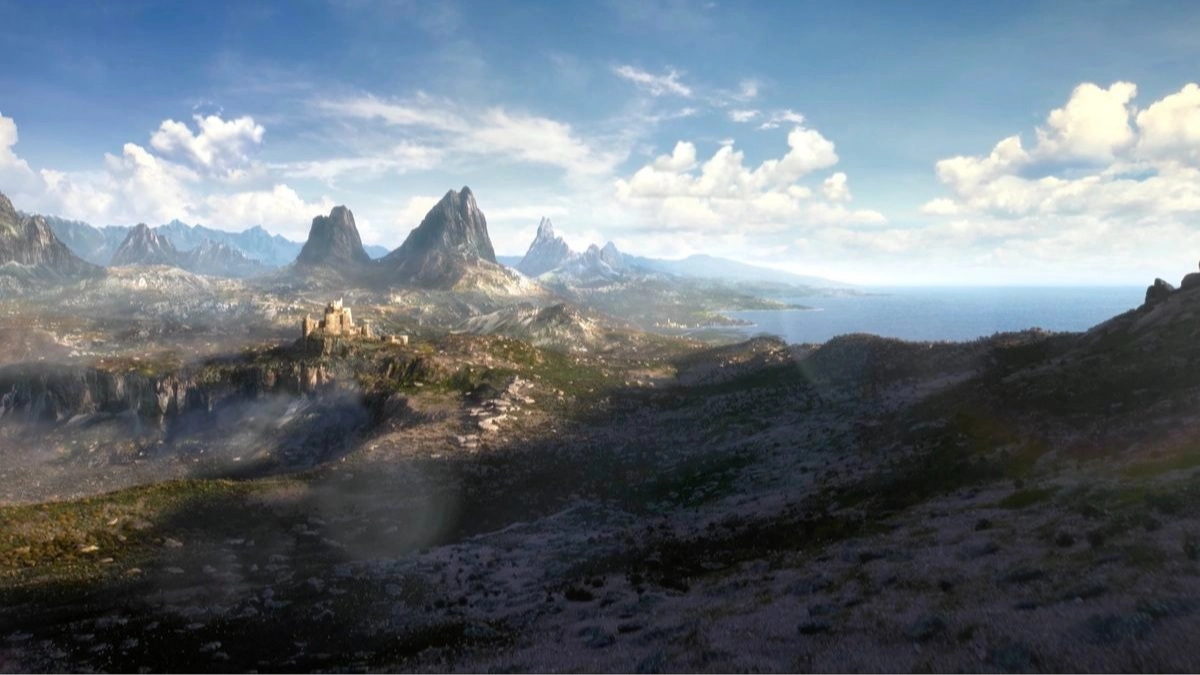
The Elder Scrolls 6 will not be the largest Elder Scrolls game by a long shot


As RPG fans, we’re all quite hyped for The Elder Scrolls VI.
Bethesda hits a vibe quite differently from other developers, with games like Morrowind, Oblivion, and Skyrim all featuring massive maps with plenty of small details to discover over hundreds of hours.
Just ask any Elder Scrolls fan how many hours they have in Skyrim, and if they've been playing since 2011, then the answer is likely to be several dozen before you even get into mods and expansions.
While these games all have an absolutely huge amount of content to explore, they’re also far from the biggest Elder Scrolls game. And what’s more, I don’t think The Elder Scrolls VI is going to be the biggest game in the series either.
Advert
While Skyrim and Cyrodiil were pretty big in their respective games, many fans forget about another title in the series, which boasts an incredibly massive amount of land to explore.
Yep, that’s right. I’m talking about The Elder Scrolls II: Daggerfall, an RPG released way back in 1996 for MS-DOS.
Even if you haven’t played Daggerfall, one fact that many fans constantly throw around is just how large the in-game map is, with around 230,000 square kilometres free to explore. You could fit around a hundred Skyrims into Daggerfall.
This adds up to over 15,000 cities, towns, and dungeons in the world, which is a more lore-accurate representation of Tamriel compared to the sequels that came out afterwards.
Read More: Elder Scrolls 6 gets first update in months from Bethesda
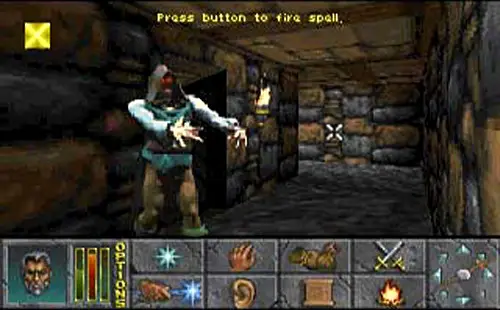
Just to put this in perspective, some fans have estimated that it takes around 60 hours of pure walking just to make it from one end of the map to the other side in Daggerfall (for context, in Skyrim, it takes only around 20 minutes to do the same thing).
There's no way any future Elder Scrolls game will be as big as Daggerfall, but that's a good thing
Of course, there’s absolutely no way that The Elder Scrolls VI is going to feature a map on this scale. It would be an impossible amount of work for a studio to complete, and it would also be quite boring for players.
One reason Daggerfall was able to make it work is that a lot of the content in the game was procedurally generated and reused, meaning every town, dungeon, and landscape you came across was created on the fly by the game engine using a set of parameters.
While there isn’t stopping Bethesda from doing this with a modern facelift in The Elder Scrolls VI, similar to how it handled planet generation in Starfield, it also just seems a bit odd for Bethesda to do.
One of the biggest appeals for games like Skyrim or Fallout 4 is the fact that these worlds are hand-crafted by Bethesda, with content feeling purposefully made for players to discover in meaningful ways.
It’s what made exploration in Starfield quite dull, as points of interest became repetitive and weren’t worth exploring after finishing the initial few. A return to this style in The Elder Scrolls VI isn’t necessarily the direction I’d want the series to take.
Daggerfall was a fun achievement in 1996, but when it comes to designing the open world for The Elder Scrolls VI, it’s always better for Bethesda to expand its scope with more depth over the actual square footage of the setting.
Topics: Bethesda, Skyrim, The Elder Scrolls, The Elder Scrolls 6