
6 Historical Periods Assassin's Creed Needs To Visit After Black Flag Resynced


The Assassin’s Creed series has visited many different time periods over the years, bringing a mix of historical authenticity and mythological folklore to bring these settings alive.
With Assassin’s Creed Black Flag Resynced revisiting a familiar story within the wider Assassin’s Creed saga, the question of where the series could head next is the question on everyone’s lips.
From witnessing the bonfire of the vanities to participating in the American revolution, the series doesn’t shy away from making you a virtual tourist in some of history’s most significant events.
Here’s our picks for where the Assassin’s Creed series could go after Black Flag Resynced, and a few events that we could experience in a game set during these time periods.
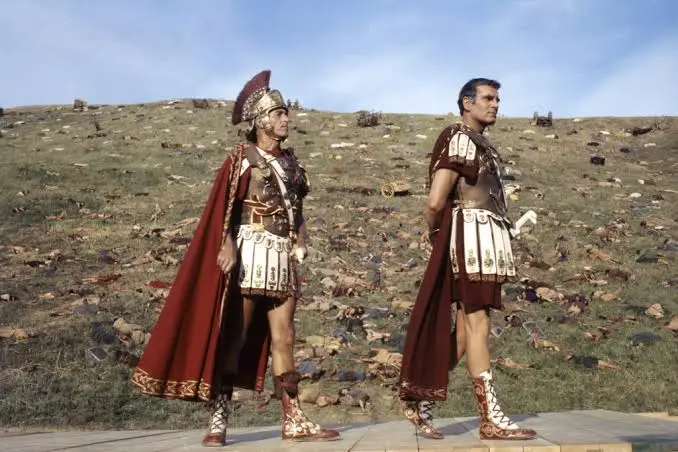
1. Ancient Rome (753 BC–476 AD)
We’ve done Ancient Greece. We’ve done Ancient Egypt. Now it’s time for Ancient Rome. We saw bits of this setting at the end of Assassin’s Creed Origins, where we briefly took control of Amunet to take part in the assassination of Julius Caesar.
Advert
With Ancient Roman history covering a huge span of history, a whole Assassin’s Creed game set during this time could depict events and myths like the founding of Rome by Romulus and Remus, the Spartacus rebellion, or the naval battle of Actium which instigated the deaths of Cleopatra and Mark Antony, as well as the ascension of Octavian as the first Roman emperor.
Ancient Rome is due to be explored in the live-action Assassin's Creed television series being made for Netflix, but the era is so vast that a video game could also definitely be made here without it interfering with Ubisoft's plans.
2. Three Kingdoms (220–280 AD)
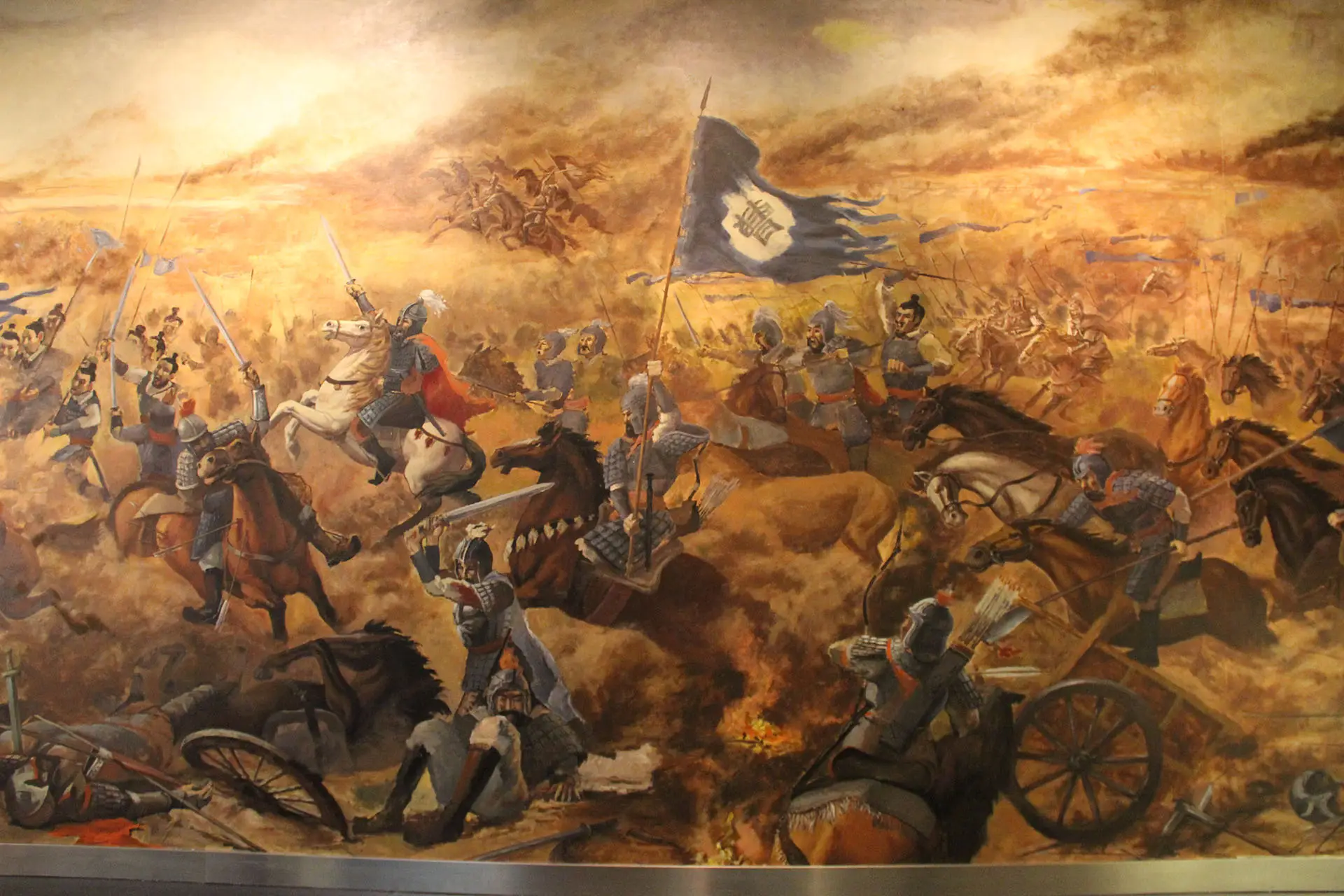
The Three Kingdoms of Cao Wei, Shu Han, and Eastern Wu were ruling factions in China following the end of the Han dynasty in the early third century, whose collapse caused chaotic infighting between many different dynasties.
China is supposedly being explored in Assassin’s Creed Jade, which was supposed to be released in 2023 but was eventually pushed back. With this period being set a few centuries after Assassin’s Creed Origins, it’d be cool to see the conflicts and battles leading up to the forming of the Three Kingdoms from the perspective of a Hidden One.
3. Tudor England (1485–1603)
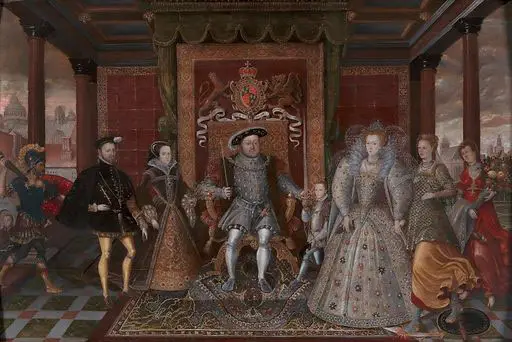
Ubisoft has touched England twice now for the Assassin’s Creed games, but it hasn’t yet touched upon the Tudor reign. With a legacy lasting over a hundred years, there are plenty of opportunities for stories to tell during this time.
An Assassin’s Creed game set during the Tudor reign could include the following events: the Battle of Bosworth Field, the Battle of Flodden and the end of the Middle Ages in the British Isles, the long reign of Henry VIII in the early 16th century, the Siege of Calais and the loss of Britain’s control of France, William Shakespeare, and the signing of the Treaty of Perpetual Peace in 1602.
Taking place during the same period as the Italian Renaissance, it’s also the perfect opportunity to have fan favourite character Ezio Auditore da Firenze make a cameo appearance, who would be active in the Assassins during the early Tudor reign.
4. Thirty Years’ War (1618–1648)
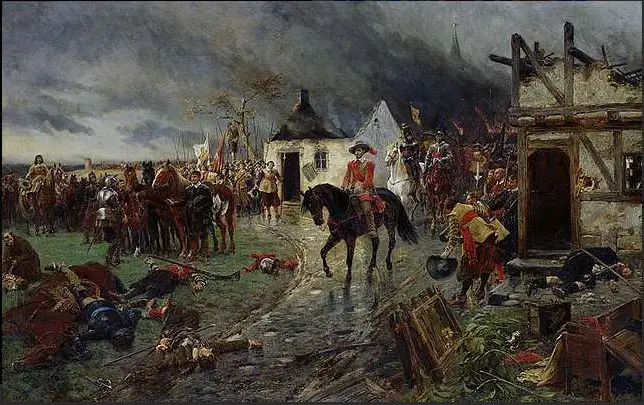
Often described as the one of the bloodiest conflicts in European history, the Thirty Years’ War was a political power struggle that began as a religious dispute between Catholics and Protestants, and escalated across the continent to include many European countries.
An Assassin’s Creed game set during this war could tell the story of one character’s involvement in this war of the thirty-year period, all while detailing the involvement of the Assassins and the Templars. You’d have a bit of trouble trying to justify which side belongs to which faction, but depicting them as independent entities taking advantage of the chaos for their own means could be the setting for an interesting Assassin’s Creed story.
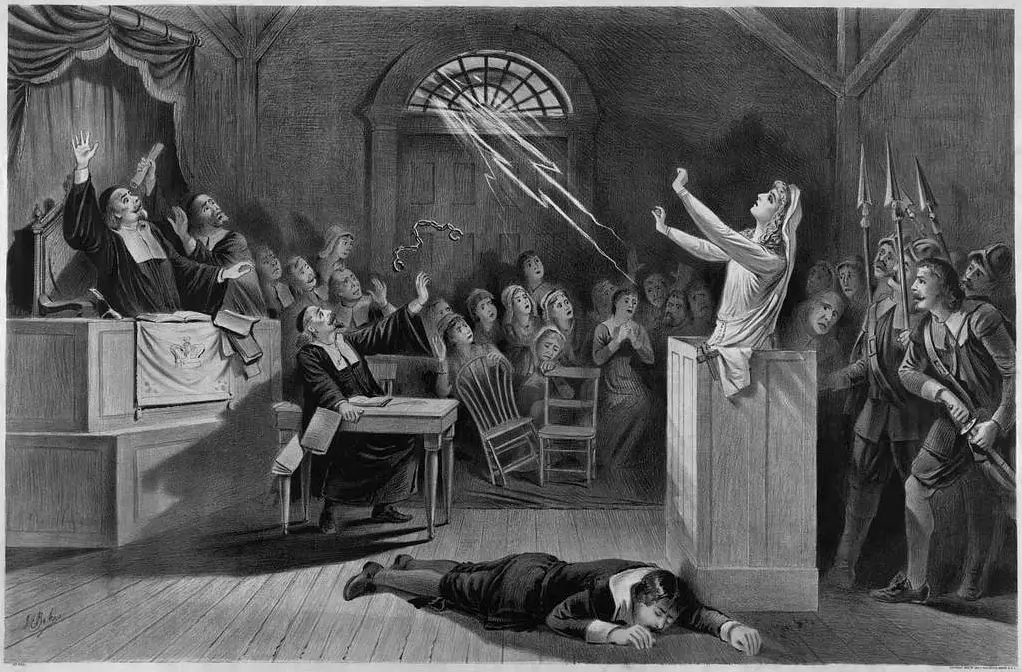
5. Salem Witch Trials (1692–1693)
The Salem witch trials took place in Salem, Massachusetts between February 1692 and May 1693, in which over 30 people were found guilty of practicing witchcraft, and 19 were executed.
Taking place just under a century before the Massachusetts we see in Assassin’s Creed 3, the game could use the Salem witch trials as a background for the Assassin-Templar conflict, with Pieces of Eden being at the centre of these accusations.
Firmly, it’d also give historians a chance to clear up some misconceptions about the Salem witch trials, which still persist to this day. For example, common myths surrounding the trials include that all of the accused were women (around 20–25% of accusations were levelled at men), and that it was the result of superstition (many accusations were the result of fears of immigration and “outsiders” to the Puritans’ conformist society).
6. Y2K (2000)
Okay, hear me out. I actually find a lot to enjoy with Assassin’s Creed’s modern day plot. Well, maybe not the narrative in the more recent games, but if you think about the original conception of the modern day story involving Desmond and his allies, the mystery of the series’ mythology certainly provided us with a satisfying framing device to explain why we’re using the animus.
An Assassin’s Creed game set in recent history, let’s say during Y2K, could introduce a fresh take on the series’ tired formula. It’d be play more akin to Ubisoft’s Watch Dogs games, but be intrinsically linked to the Assassin’s Creed lore which might give it a bit more gravitas.
Set 12 years before the events of the Desmond saga in Assassin’s Creed, a game set in this time period could involve characters like Daniel Cross and William Miles as key figures in the modern day conflict between the Assassins and Templars. We’d see Abstergo Industries, plus an early version of the Animus being developed.

Topics: Assassin's Creed, Ubisoft, List, Features