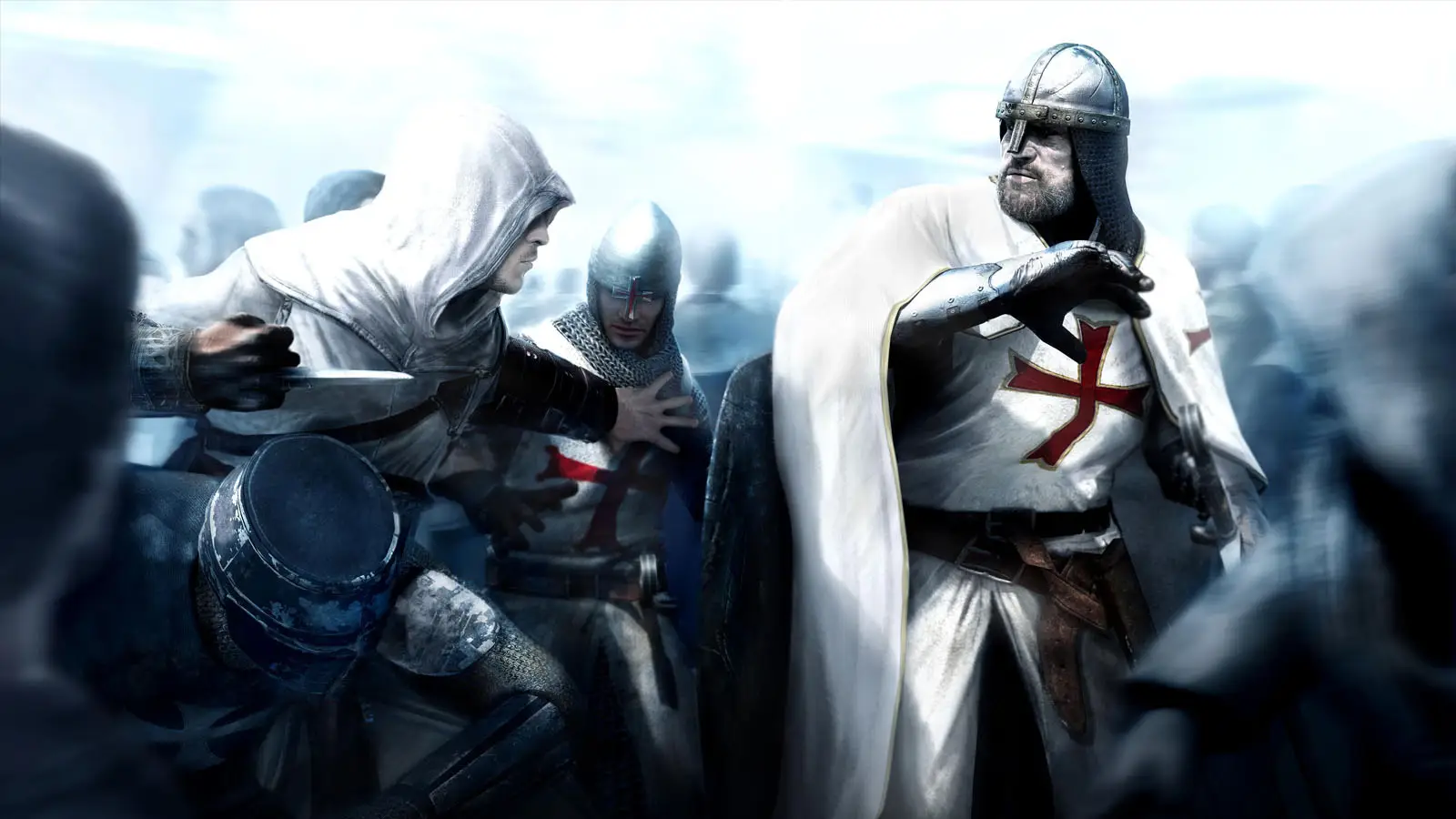
How to play the Assassin's Creed games in order


If you want to play the Assassin’s Creed games in order, there are a lot of titles released across the franchise’s nearly 20-year history that can make things a little complicated to understand.
While the best order to play them is in the correct sequence of release, the fact that most entries in the series are not numbered can create some confusion.
Assassin’s Creed 3 coming after Assassin’s Creed 2? Guess again; you’ve got multiple entries between those two.
Nevertheless, if you’re looking for a simple series order, here’s the best order for the Assassin’s Creed games that you can play.
Advert
We've gone with the mainline games in the series, and haven't included spin-offs. None are essential to the overarching story, but you can seek them out if you want some additional Assassin's Creed adventures.
Read More: 7 great games to play if you enjoyed Christopher Nolan's The Odyssey
How to play Assassin's Creed games in order
Assassin's Creed (2007)
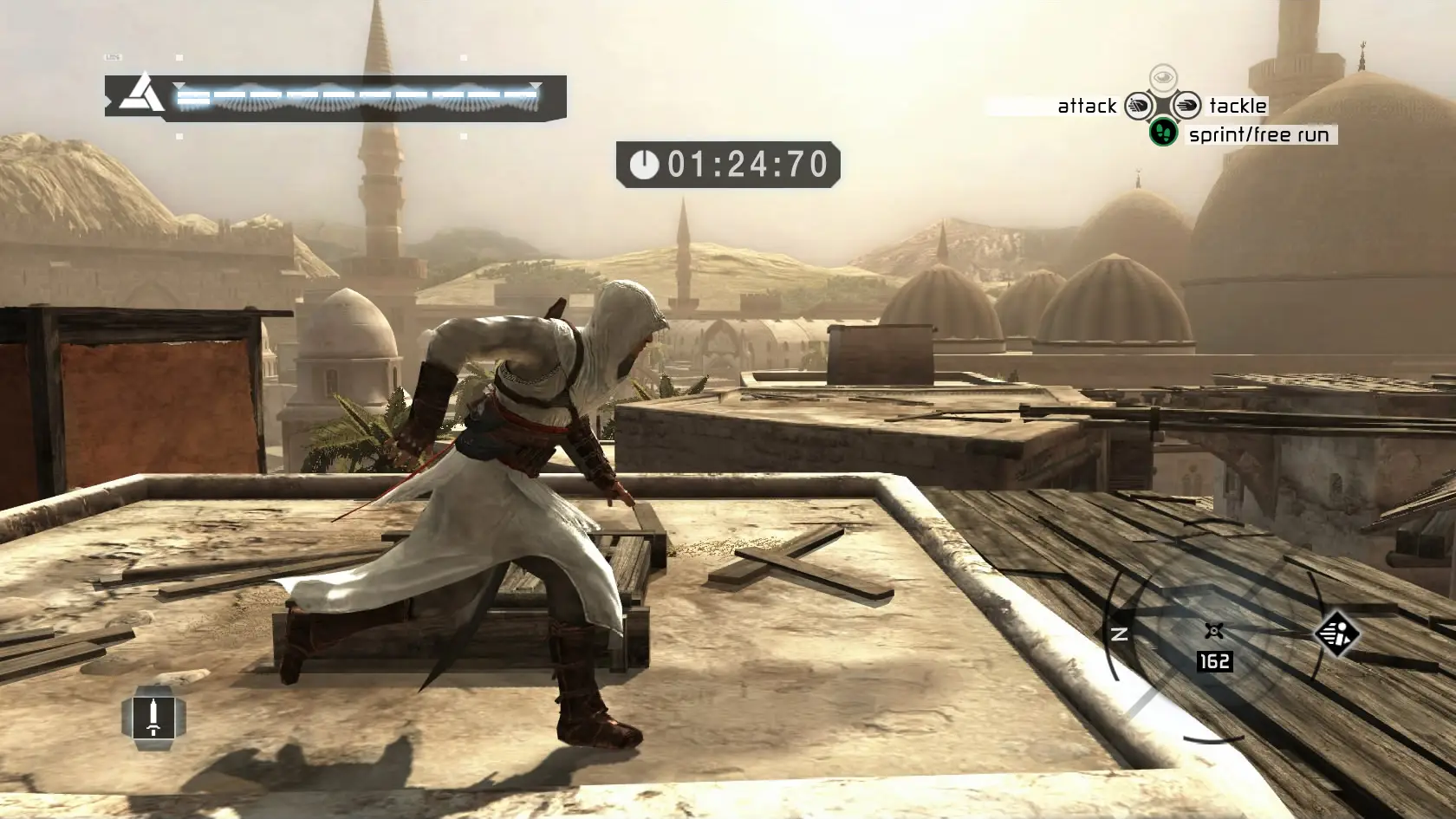
To kick things off, the original Assassin’s Creed is where the story begins. You play as Altaïr Ibn-LaʼAhad, a member of the Assassin Brotherhood in the Levantine region in 1191 AD.
Although the original Assassin’s Creed has been criticised for being a little dated in recent years, we reckon it’s still a fantastic place to start the series thanks to its attention to detail in making you feel like an assassin. The modern-day storyline where you play as Desmond Miles also gets off to a strong start, giving you enough mystery that’ll keep you hooked for its short runtime.
Assassin's Creed II (2009)
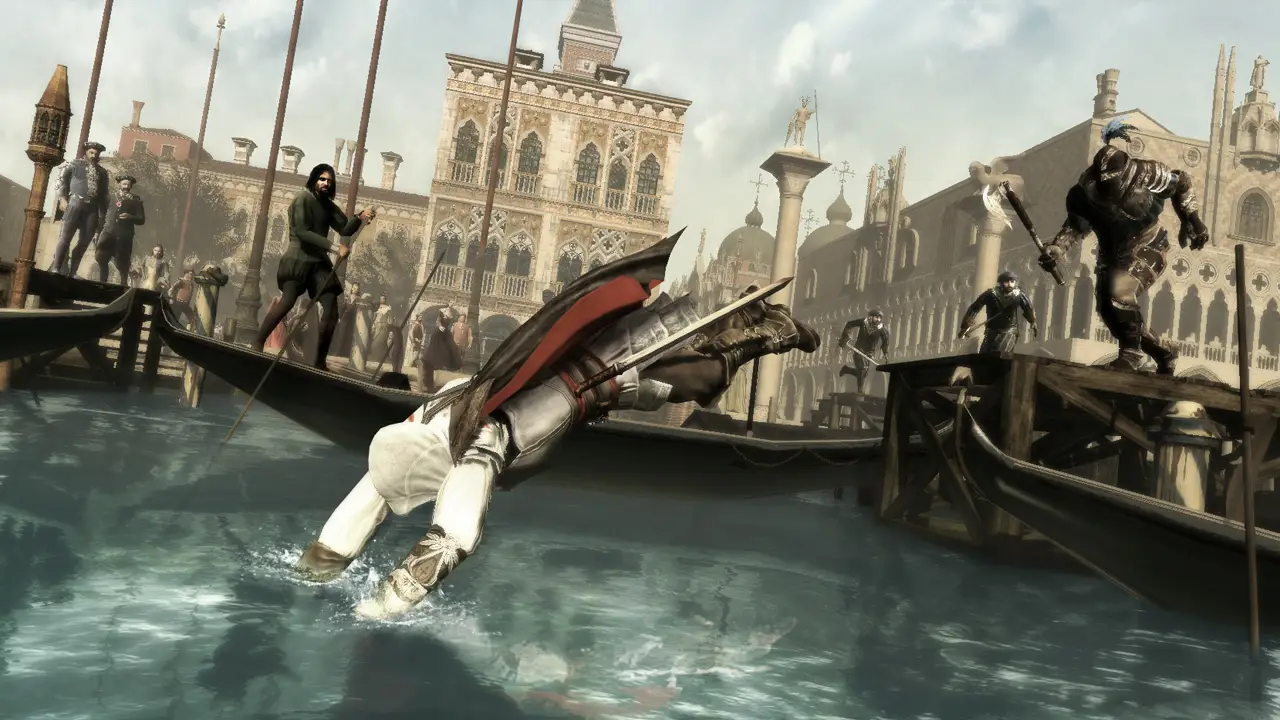
The first Assassin’s Creed sequel takes the historical events to Renaissance Italy, where you play as Ezio Auditore da Firenze, who unravels a conspiracy that throws his family into disarray.
Assassin’s Creed 2 is one of the most popular games in the series, which is due to the likeability of its lead character Ezio, as well as the mission and open-world design being a lot more fleshed out this time around.
Assassin's Creed: Brotherhood (2010)
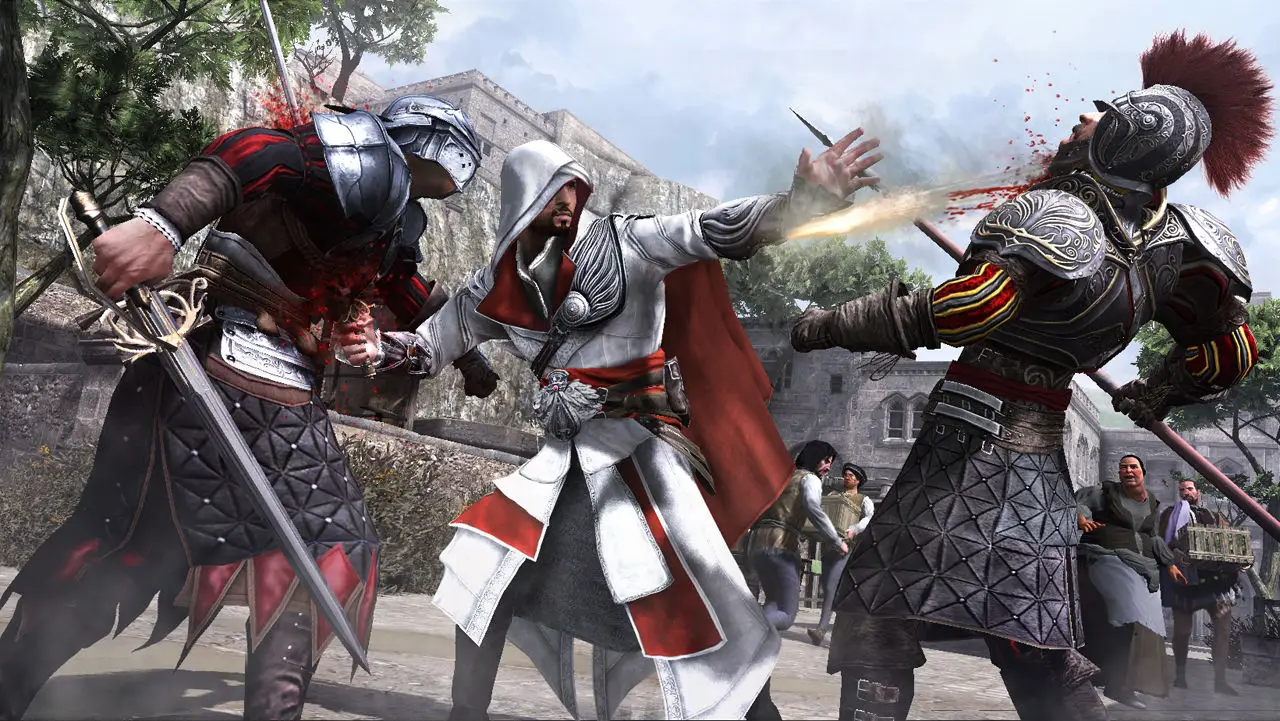
While Ubisoft was working on Assassin’s Creed 3, Ubisoft would develop two sequels continuing Ezio’s story, with Assassin’s Creed Brotherhood taking us to Rome shortly after the events of its predecessor.
Assassin’s Creed Brotherhood changes from the multi-city format of the previous games to a single city. With that said, it’s still a crucial game you need to play, as the modern-day story bridges the gap between Assassin’s Creed 2 and the third one.
Assassin's Creed: Revelations (2011)
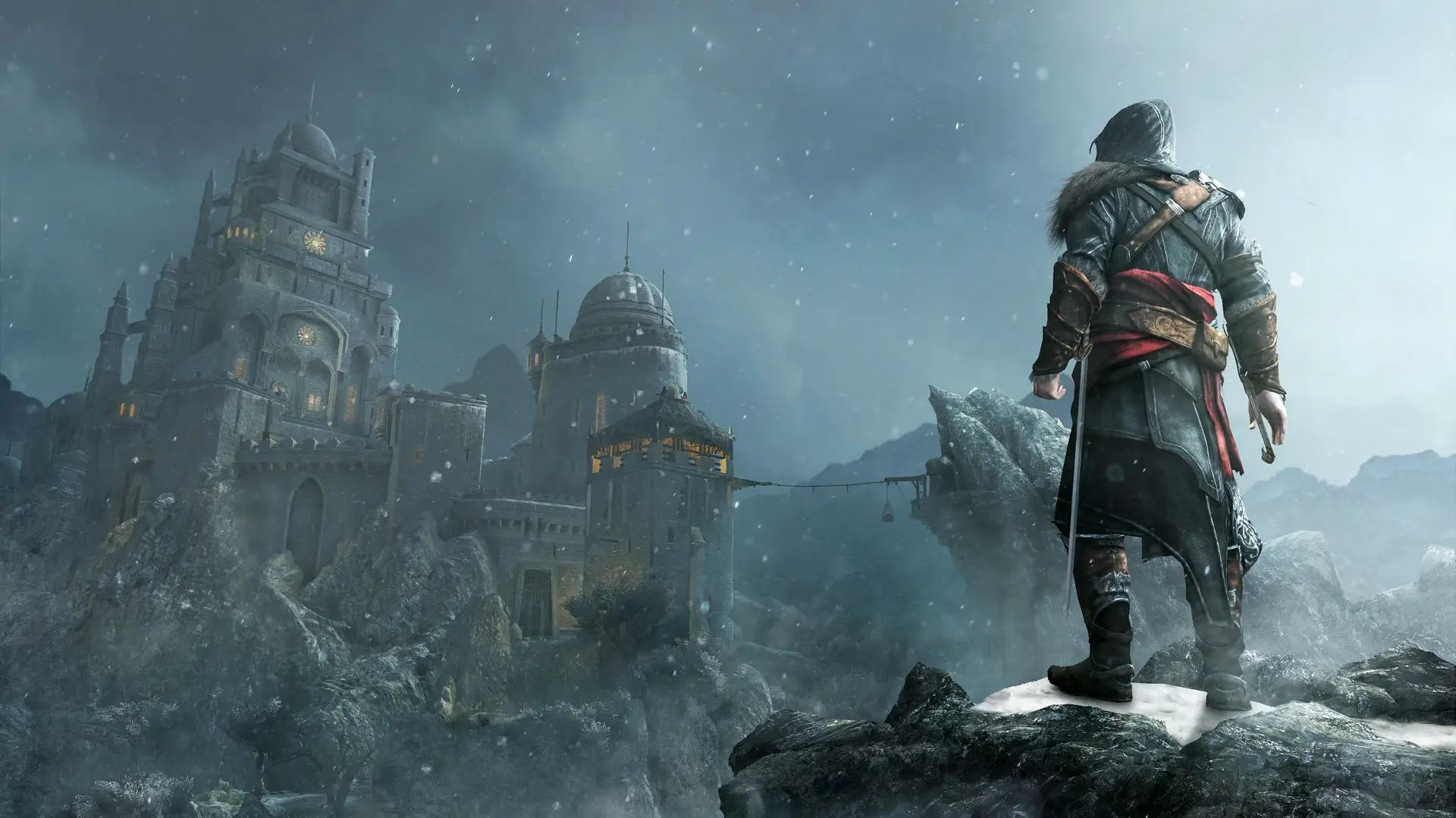
The third Ezio game presents the character as much older and changes the setting to Constantinople. This time, Ezio is discovering the legacy of the Assassin Brotherhood by finding a series of keys left behind by Altair from the first game.
In addition to playing as both Desmond and Ezio, there are also several sequences which bridge the story with Altaïr’s in the years after his story closes in the first Assassin’s Creed, making it a good one for fans of the original game as well.
Assassin's Creed III (2012)
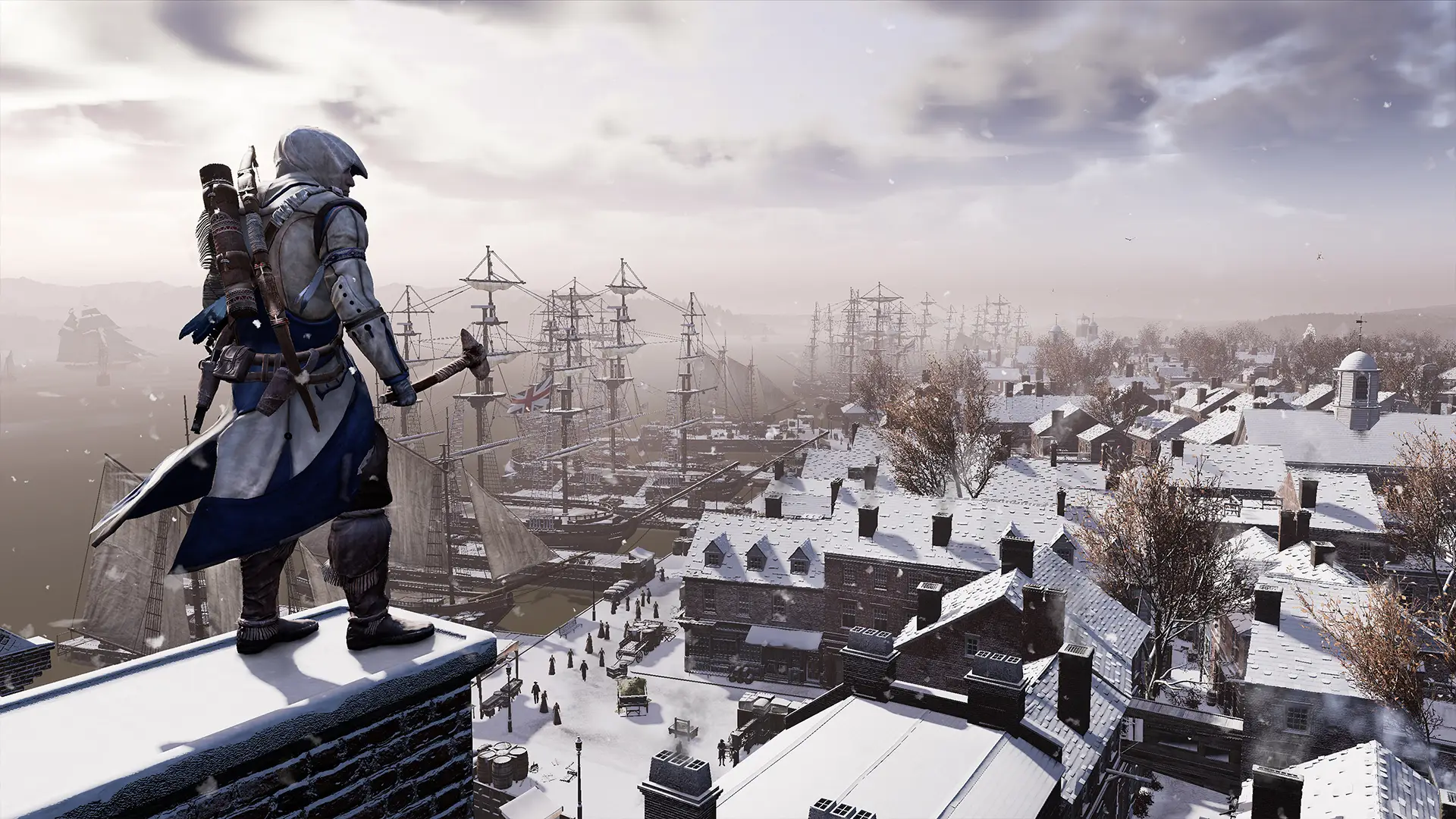
Assassin’s Creed 3 brings the storyline forward to the American Revolution, presenting a Templar vs Assassin story set across the American colonies.
If you’re playing this series with intermittent breaks between certain entries, it’s worth playing up to the end of Assassin’s Creed 3 due to Desmond’s story coming to a close. Following this, the games become a lot more standalone and are more loosely linked than their predecessors.
Assassin's Creed IV: Black Flag (2013)
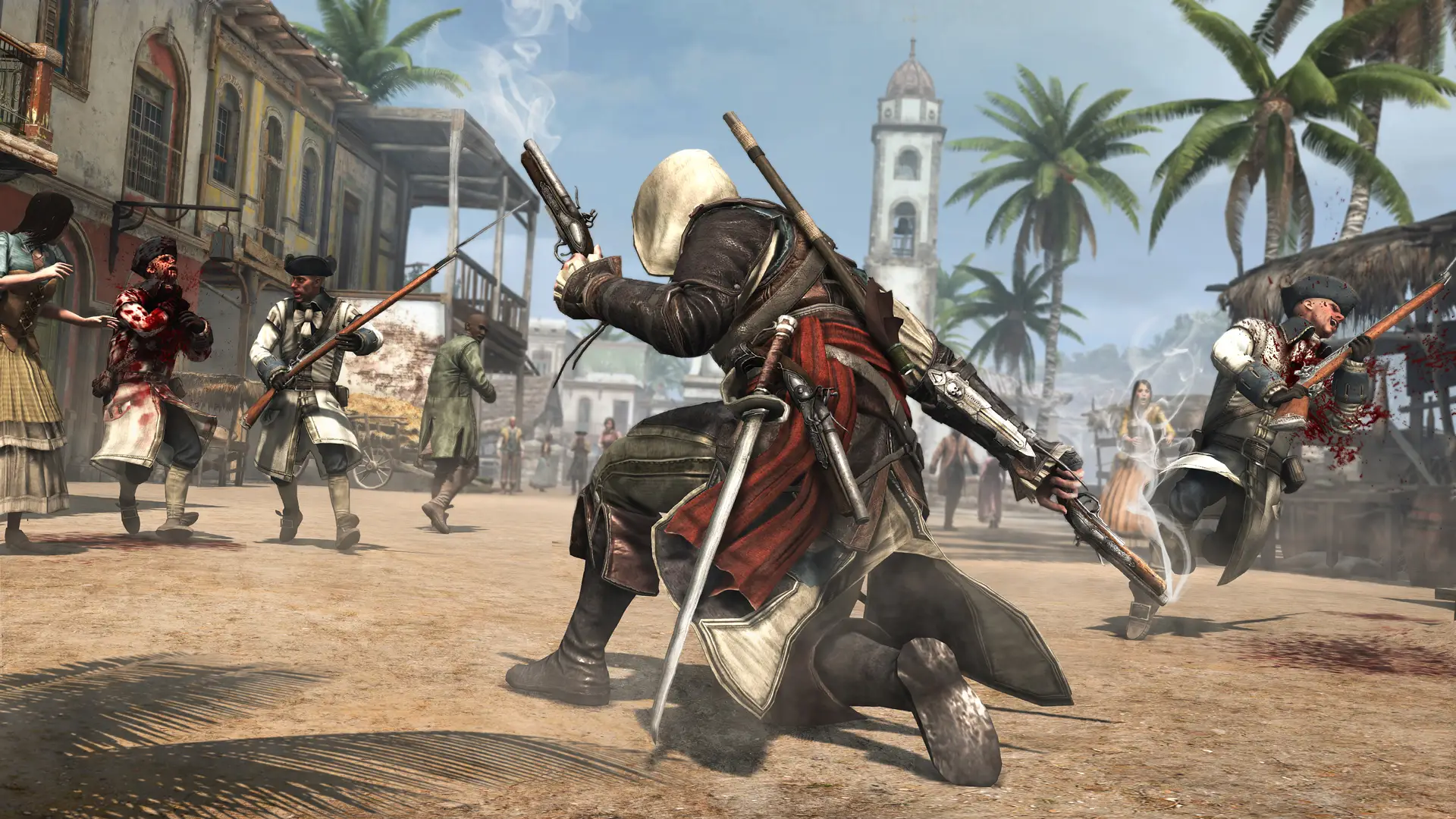
Assassin’s Creed IV: Black Flag is connected in some ways to Assassin’s Creed 3, but it’s also quite standalone in how the story and characters are presented.
This is also a great jumping-on point, though, as the naval gameplay that has you sailing the high seas and raiding other ships for loot is often seen as the peak of the franchise, and its Assassin vs Templar storyline often comes second to developing what quite an iconic swashbuckling tale is.
Assassin's Creed: Rogue (2014)
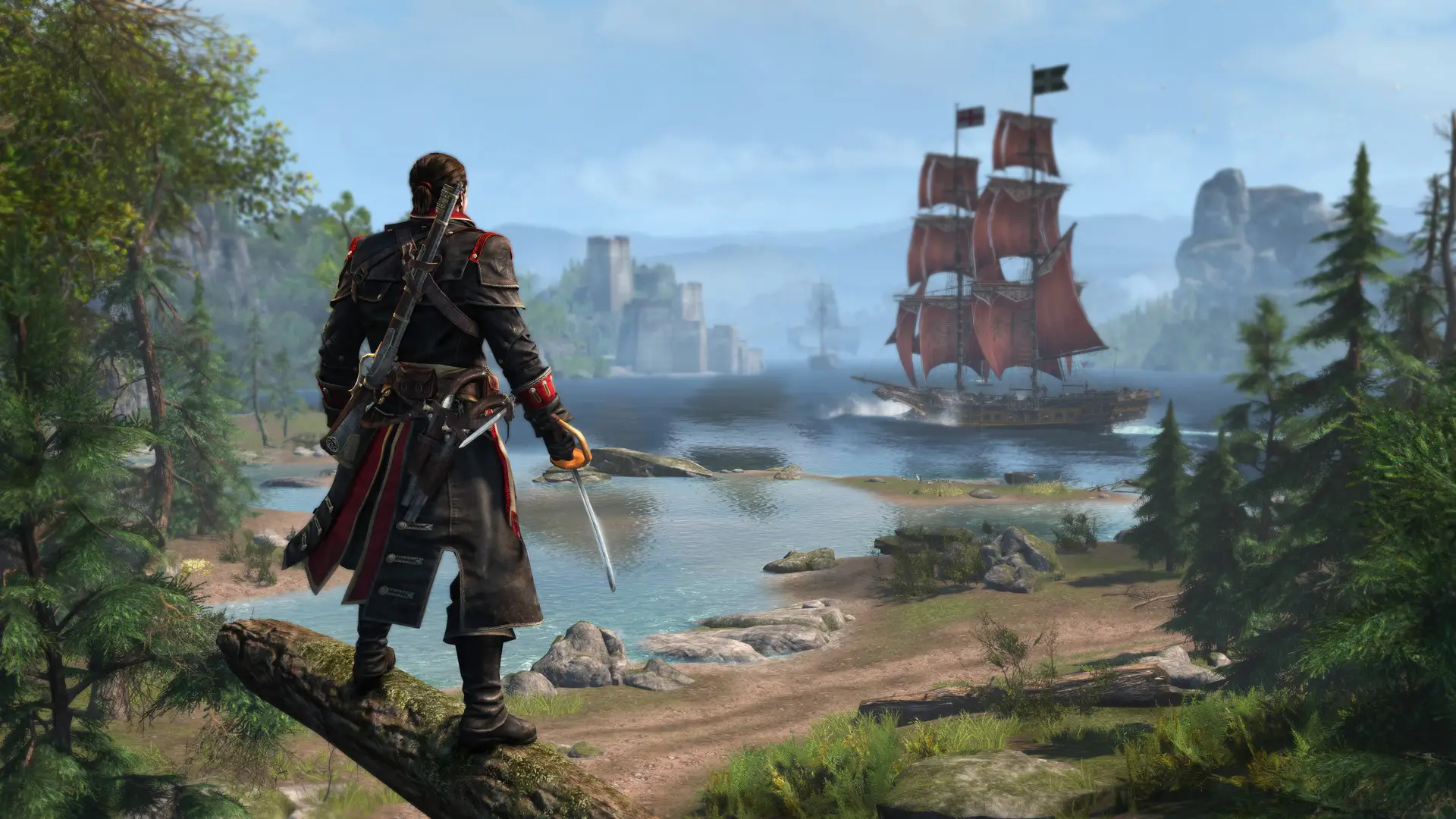
Assassin’s Creed Rogue flips the series on its head by having you play as an Assassin who turns to the side of the Templars. It’s technically a prequel to Assassin’s Creed 3, but also features some connections with Black Flag, featuring some of the same characters.
Although it doesn’t have a massive effect on the wider franchise, the end of Assassin’s Creed Rogue sets up the events of Unity, which came out during the same month. Definitely play this if you enjoyed Assassin’s Creed 3 or Black Flag, but otherwise you might get away with skipping it.
Assassin's Creed: Unity (2014)
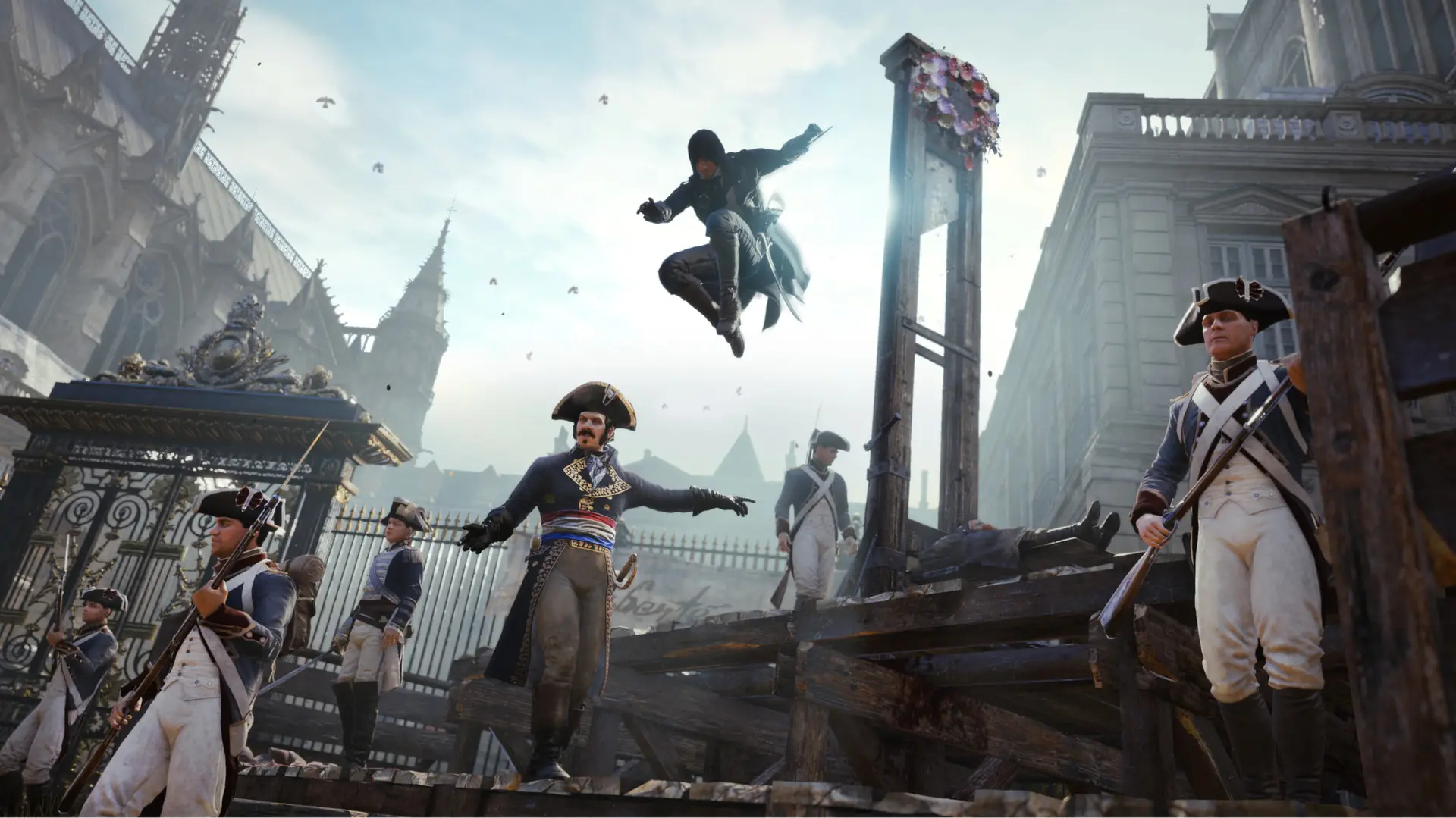
The first Assassin’s Creed game built exclusively for the eighth generation of consoles is Assassin’s Creed Unity, this time set during the French Revolution. Although critically panned at launch due to some major technical issues, the game runs really well on modern hardware and might be more of an underrated entry at this point.
The crowd technology seen in Assassin’s Creed Unity is a great demonstration of where video game hardware was at the time, and players will grow to love the new characters that are introduced during this entry.
Assassin's Creed: Syndicate (2015)
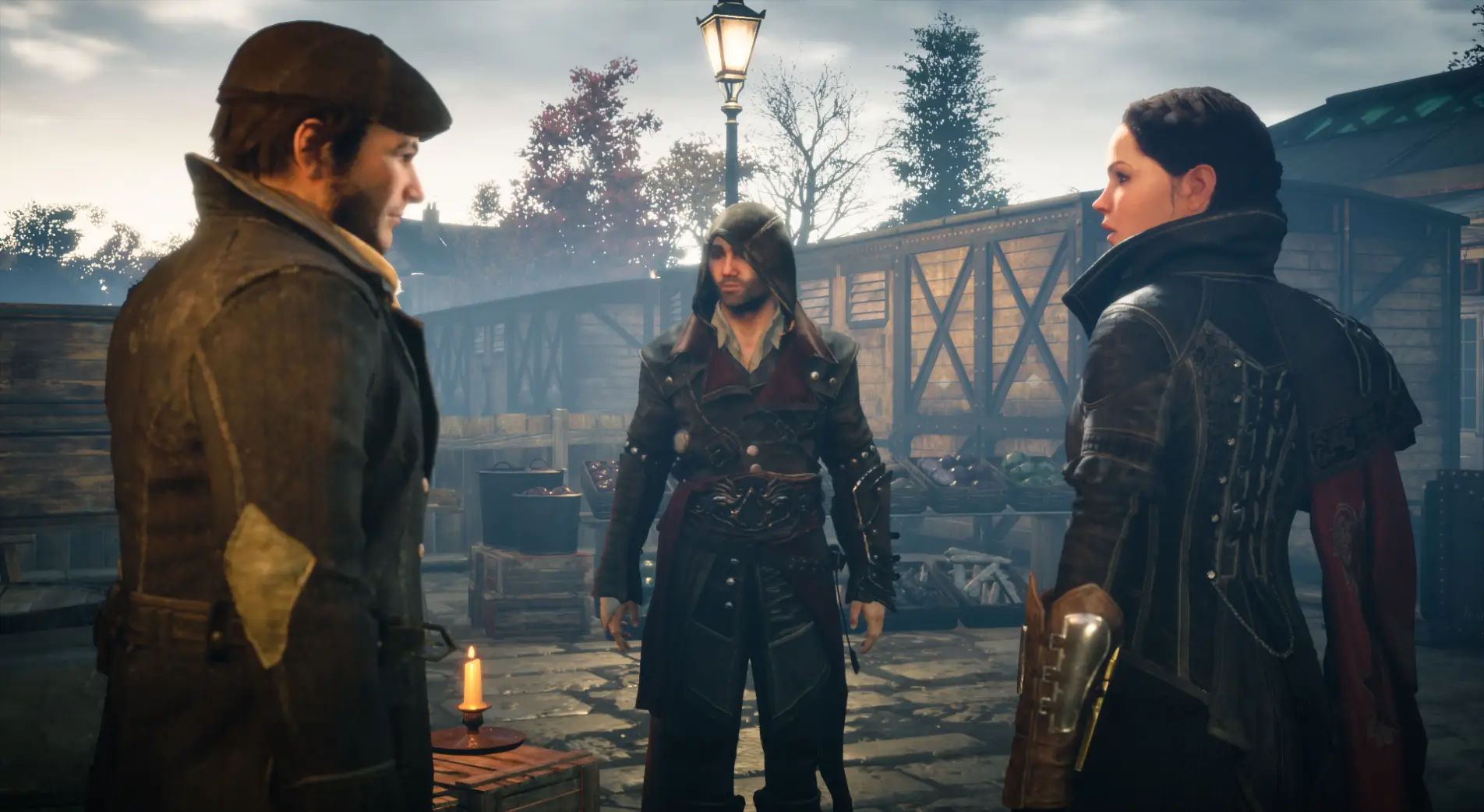
The final Assassin’s Creed game before the RPG pivot, Assassin’s Creed Syndicate changes the setting to Victorian London and has you switch between two dual protagonists: Jacob and Evie Frye.
Jacob is more combat-focused, leading a gang throughout London to take over the city’s seedy underworld, while Evie’s role is more stealth-oriented, adopting some of the more classic Assassin’s Creed tropes to tell its story.
Assassin's Creed: Origins (2017)
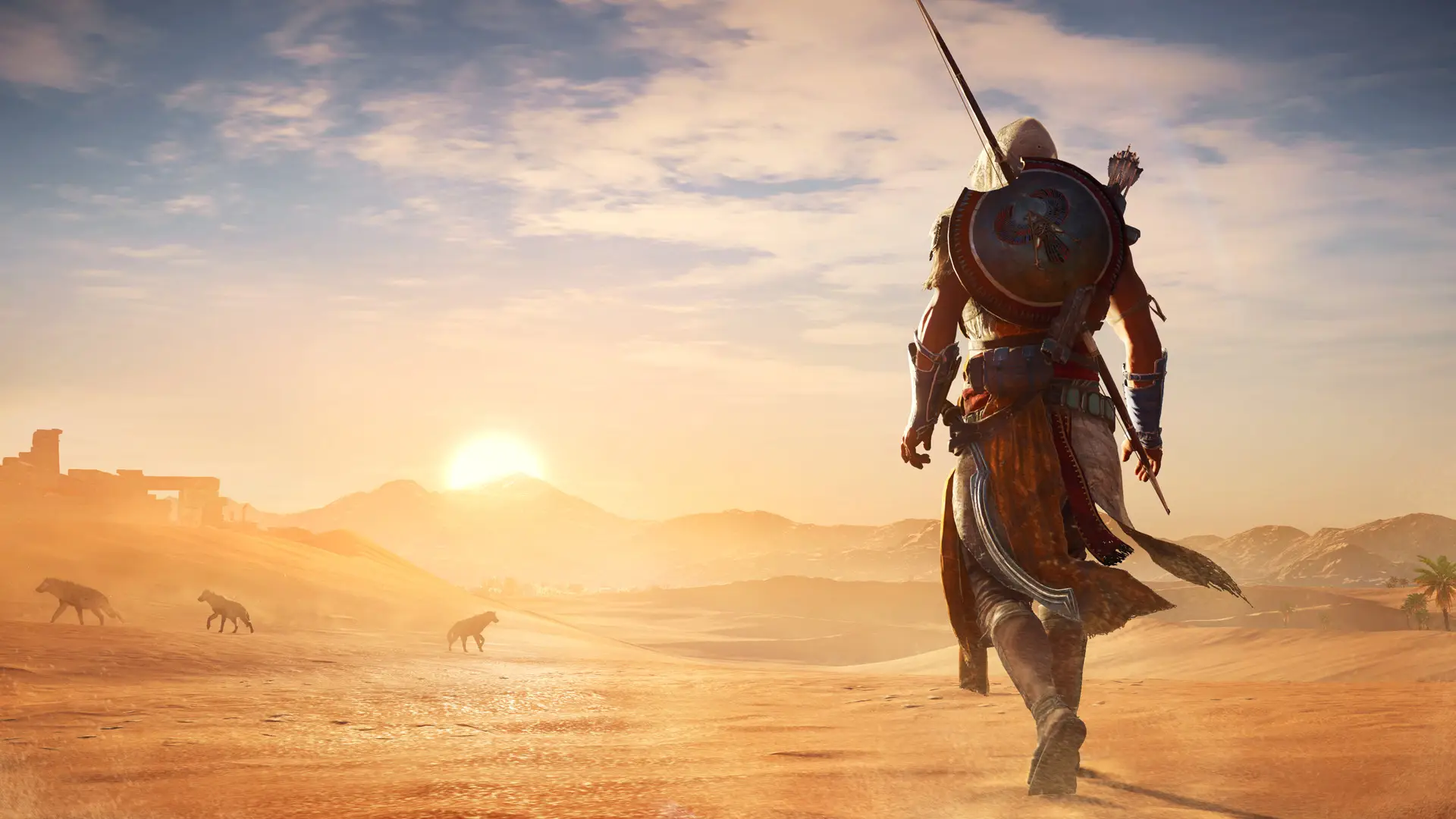
After taking a year off to rethink its strategy around the Assassin’s Creed release schedule, Ubisoft came back with Assassin’s Creed Origins, which featured a brand new story in the Ancient Egyptian period and showed the origins of the Assassin order.
Players play as Bayek of Siwa, an Egyptian Medjay who seeks revenge along with his wife Aya for the murder of their son. Origins kickstarted a revolution for the series, which introduced more RPG elements to the game, complete with quests, open-world exploration, levelling, XP, and a more traditional lock-on hitbox combat system.
Assassin's Creed: Odyssey (2018)
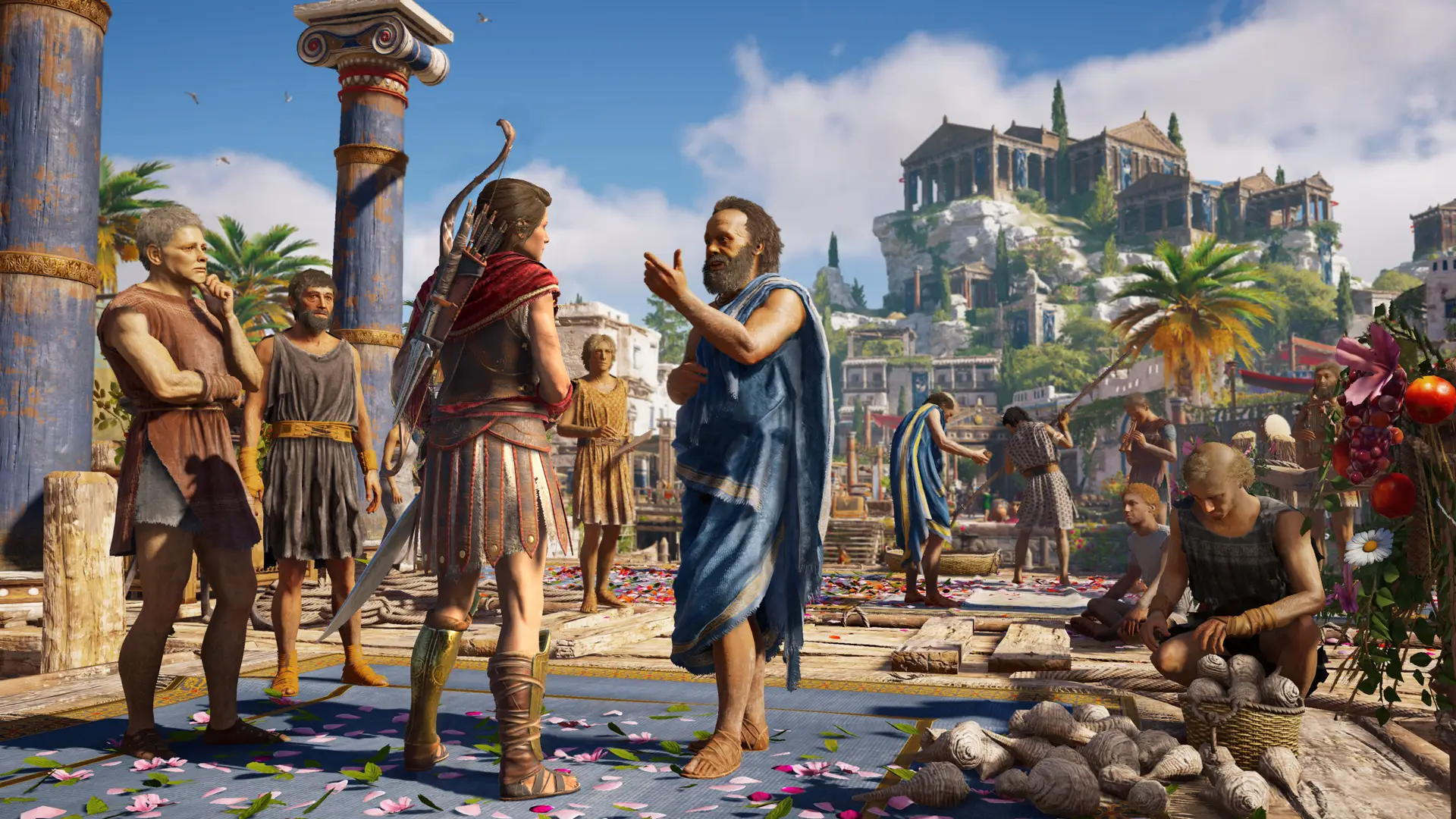
Arguably the best of the Assassin’s Creed RPGs, Odyssey is set a few centuries before Origins and details the actions of a Spartan mercenary in the years of the Peloponnesian War between Athens and Sparta.
Since the story is pretty disconnected from the rest of the series, Assassin’s Creed Odyssey is another good jumping-on point for the series, especially if you just want to jump into an open-world RPG. Some improvements over Origins are also introduced, with the open world being one of the best you can experience in games today.
Assassin's Creed: Valhalla (2020)
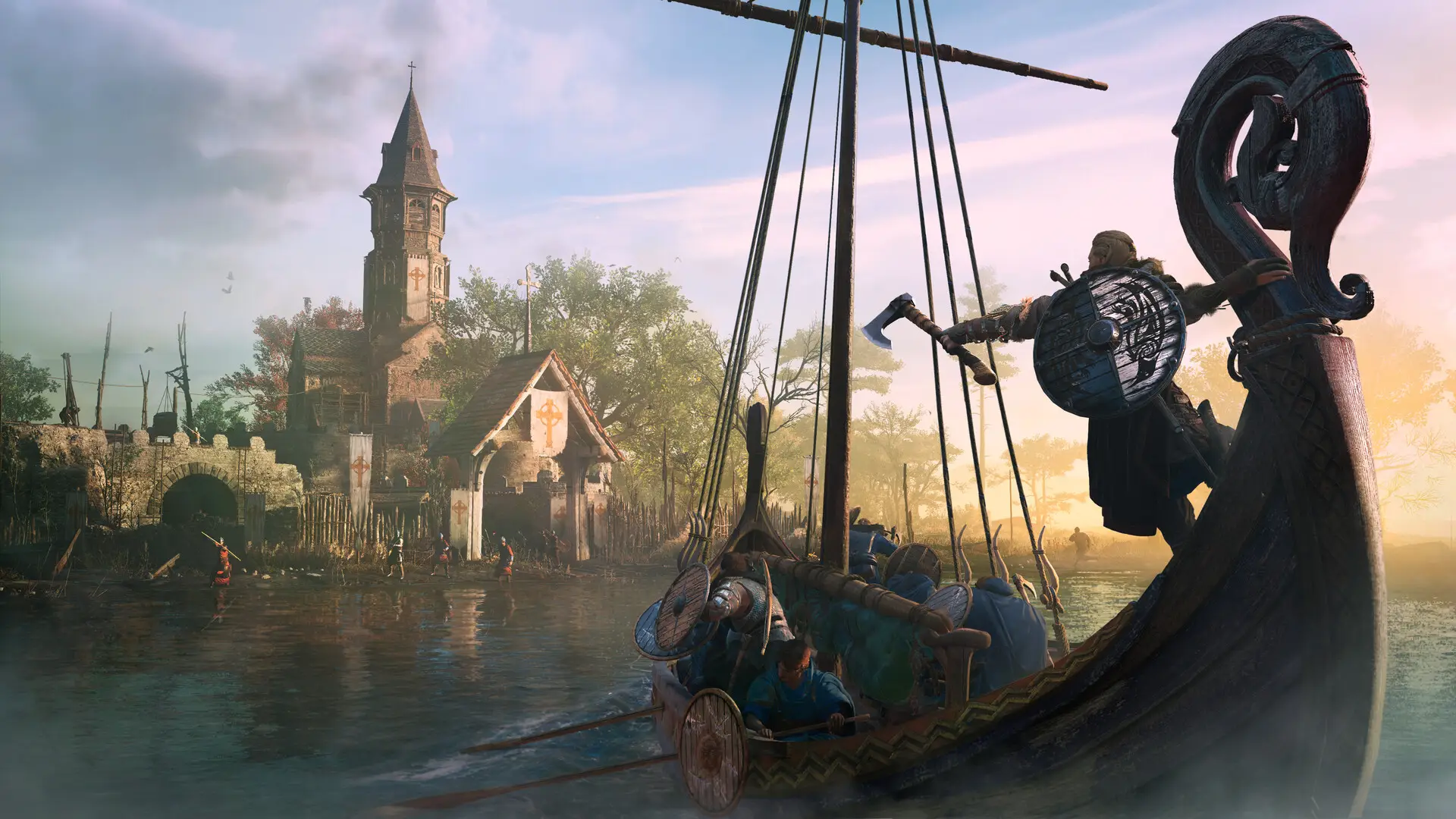
Assassin’s Creed Valhalla is another evolution of the RPG formula that Origins and Odyssey started, offering what is most likely the longest game in the series. This time, the action moves to England during the Viking expansion into the British Isles.
While some players were put off by the colossal size of Assassin’s Creed Valhalla, the game had a genuinely fun idea with its Viking themes, and also fleshes out some of the RPG systems that have become series staples. We still rate it, in any case.
Assassin's Creed: Mirage (2023)
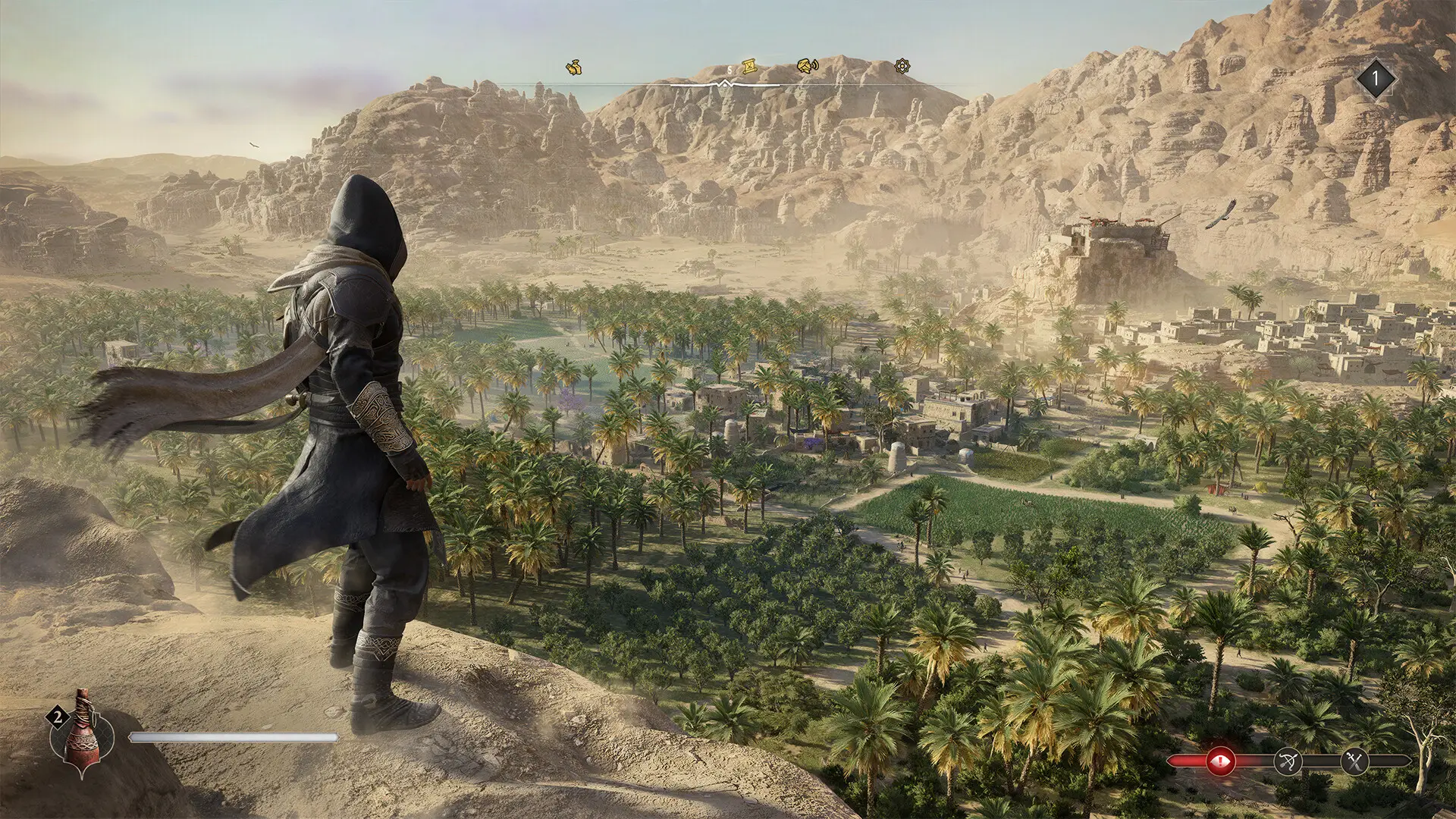
Following the massive scope of the previous three games, Assassin’s Creed Mirage scales everything down to create an experience closer to the original games, particularly the Desmond trilogy.
Assassin’s Creed Mirage is a prequel to Valhalla that was originally envisioned as an expansion for the previous game, before becoming its own standalone thing. In it, you play as Basim Ibn Ishaq, a street thief who joins the Assassin order to fight against the Order of the Ancients.
Assassin's Creed: Shadows (2025)
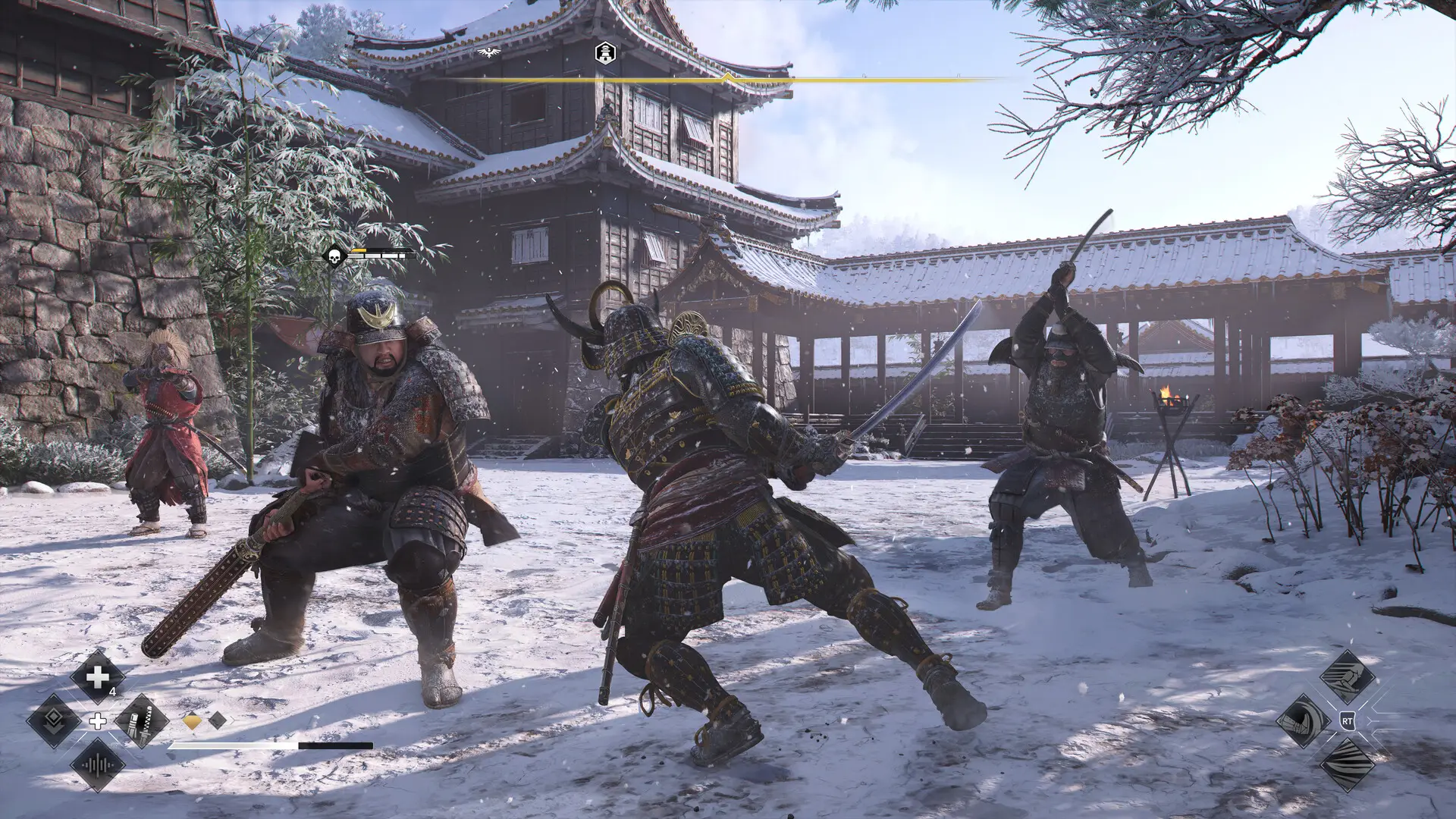
Fans had been begging Ubisoft to make a Japan-set Assassin’s Creed game for years, and it seems that the popularity of Ghost of Tsushima finally led to one being made.
Similar to the other games in the series, Assassin’s Creed Shadows details the war between the Assassins and the Templar Order from the perspective of two characters, a shinobi called Naoe and a samurai called Yasuke (based on the real-life historical figure). The game received positive reviews at the time it was released, but fans were a little disappointed that the game didn’t receive much post-launch DLC in comparison to other RPG titles.
Assassin’s Creed: Black Flag Resynced (2026)
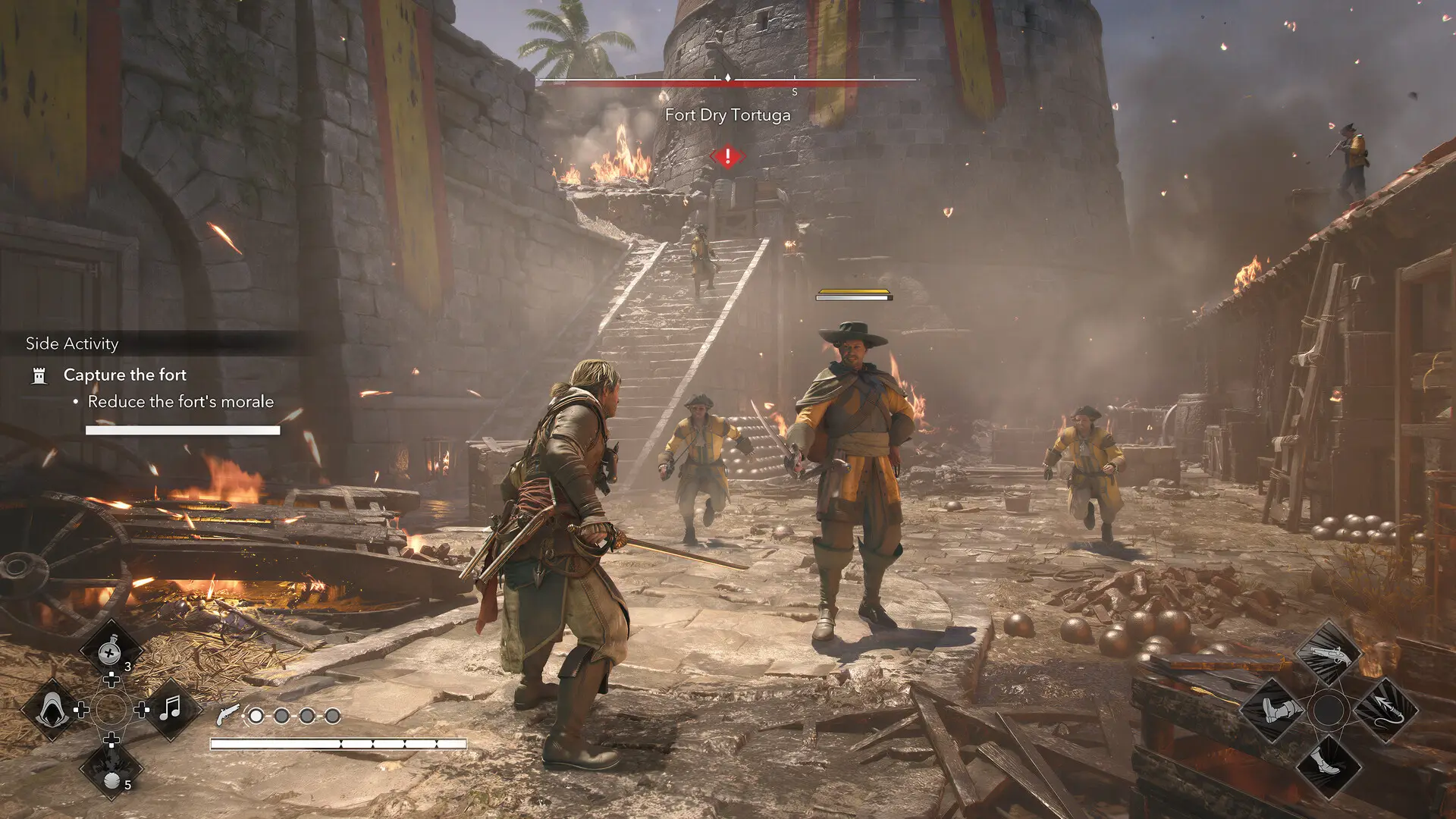
Although it’s a remake of the original Assassin’s Creed Black Flag from 2013, Resynced is actually best played after Shadows as it continues the modern-day story from that point. It’s also a great point to see how far the modern Assassin’s Creed series has come so far.
Aside from that, though, a lot of the historical story in Assassin’s Creed Black Flag Resynced is kept close to the original, detailing Edward Kenway’s journey from a simple pirate to a member of the Assassin order.
Topics: Assassin's Creed, Ubisoft, PlayStation