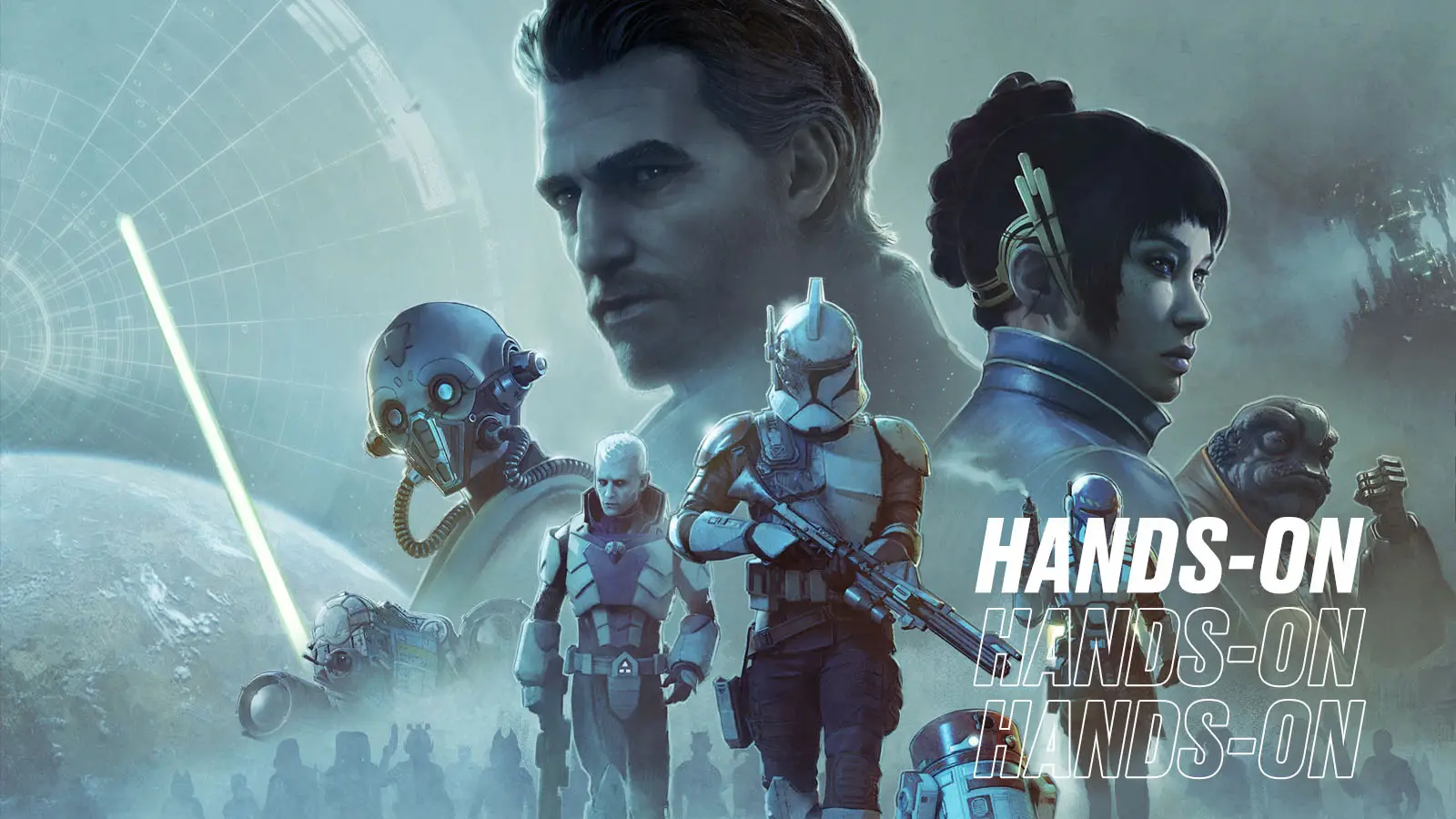
Don’t sleep on the best Star Wars game I’ve played in years


When Star Wars: Zero Company was announced last year, I was over the moon. Finally, I thought, a blend of XCOM and Star Wars—two franchises I adore with all my heart.
My recent hands-on with the game didn’t do anything to diminish that excitement. Playing through the first 17 missions of the campaign (around 10 hours in total), I found the game to be exhilarating, exactly what the franchise needs right now.
For as much as I loved recent games in the franchise such as Star Wars Jedi: Survivor and Star Wars Outlaws, there’s only so many third-person action-adventure titles you can take before you want something a bit different.
Along with Star Wars Galactic Racer, which I’m also eager to play later in the year, my time with Star Wars Zero Company so far redefines what a good Star Wars game can and should be.
Advert
Belonging to the turn-based tactics genre, a style of play popularised by the XCOM series and has been on the rise a lot more in the indie/AA space this generation, Star Wars Zero Company is set in the final year of the Clone Wars. You play as Hawks, a former Republic officer who recruits a series of misfits to protect the galaxy from a new threat.
Already from the first minutes of the game, it’s clear that developer Bit Reactor (made up of former XCOM developers like Greg Foertsch and James Brawley, mind you) understood the assignment. Hawks can be customised in a variety of ways, including allowing the player to choose their gender, species, and background.
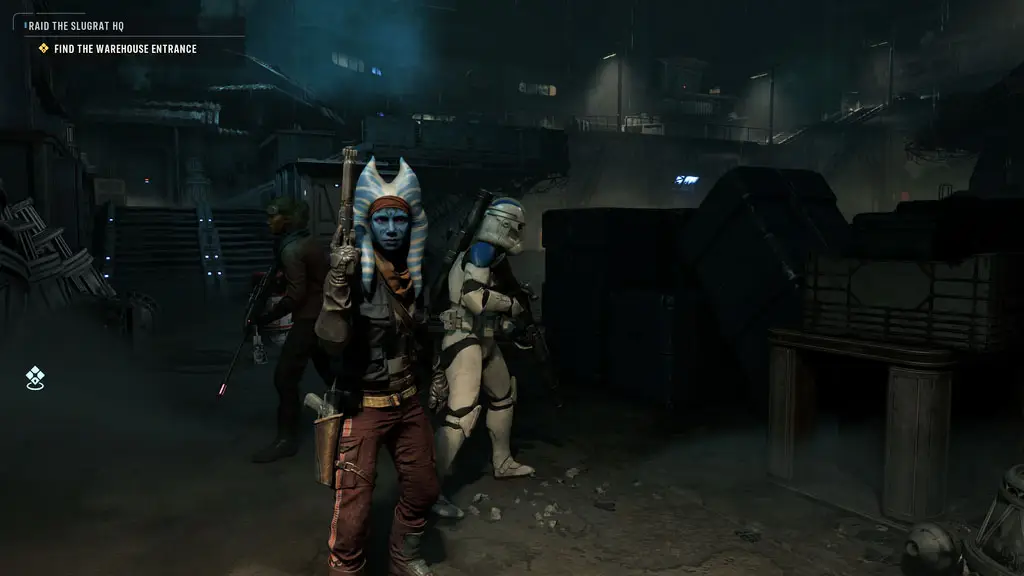
What I’ve always loved about Star Wars is this idea that “anyone can be a hero”, and so allowing Hawks to be a character that feels like they belong to pretty much any region of the galaxy of your choosing goes a long way in hitting that point home.
Read More: Star Wars' Mediocre Mandalorian Movie Should Have Been An RPG Instead
A mix of Mass Effect and XCOM makes this a Star Wars game not to be missed
Following this, the first few missions of Star Wars Zero Company go over the basic mechanics of the game, as well as introducing some of the characters who make up your squad.
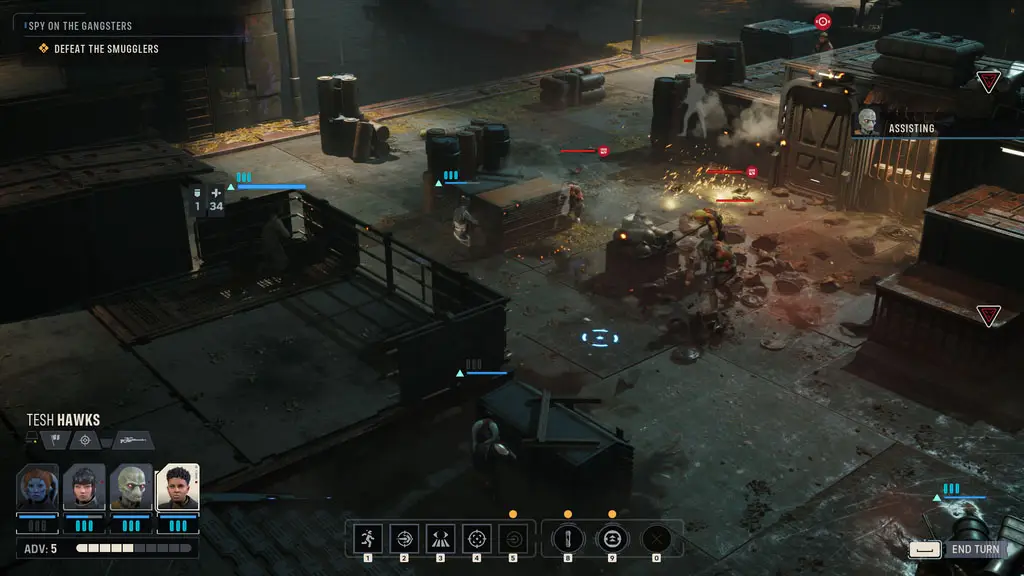
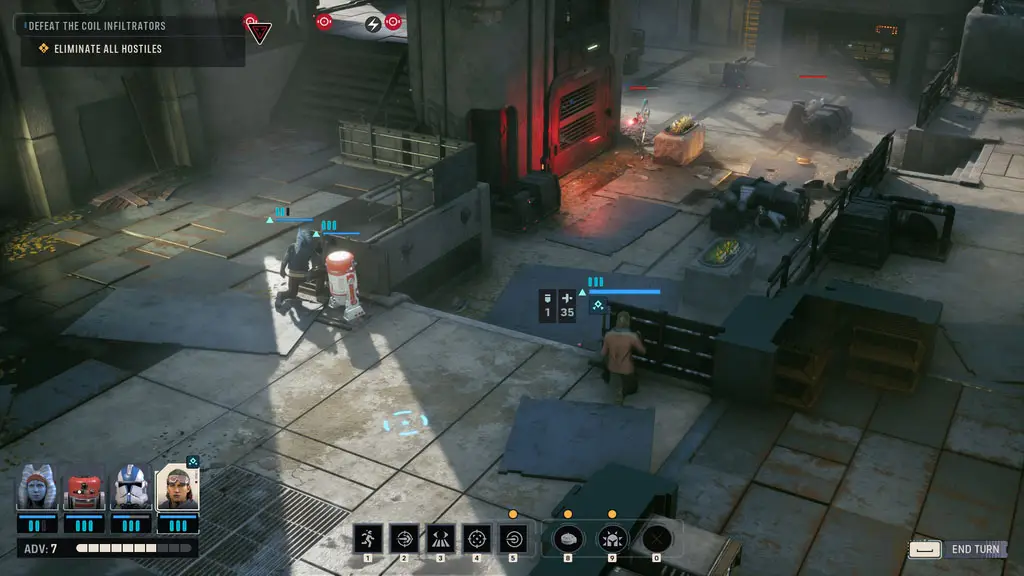
As a turn-based tactics game, you take turns moving your squad around on the battlefield, getting them into position and attacking the enemy. At the end of the turn, the enemy faction then does the same with its own units, and you keep going until the end of the mission.
Usually, this mission goal is to defeat all enemy forces, but sometimes additional objectives such as rescuing a hostage or hacking a supply crate can present themselves, which you must complete within a certain number of turns.
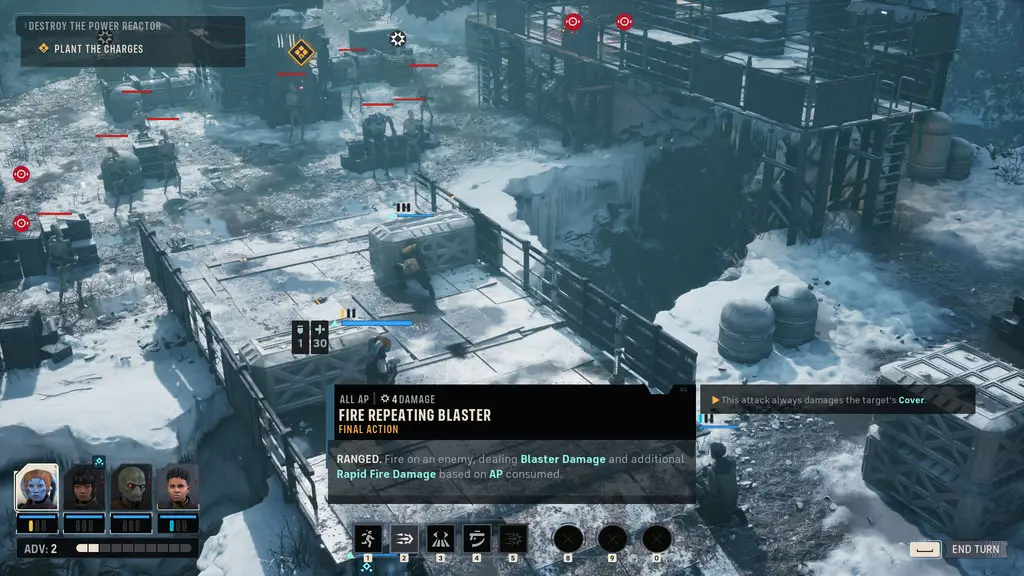
Each of your units have three action points (AP) you can use between movement, attacks, and special abilities which can help your team or hurt the enemy. The exact attack, AP cost, and strength depends on what kind of unit you have, what their class and chosen weapon is, and how you’ve invested points into them so far in the campaign, with literally hundreds of different denominations to build your squad based on these choices.
Weapon classes range from sharpshooter rifles to one-handed blasters to all-around automatic assault blasters, but unique hero units also have their own weapons and abilities outside of the core selection.
Meanwhile, successful attacks also build up an ‘Advantage Metre’ which opens up powerful moves once the metre has been filled up enough. One example of this being Tricks, a clone trooper who is with your squad from the beginning, able to fire a powerful rocket launcher at an area once you’ve gained 10 Advantage points.
Star Wars Zero Company’s mission loop feels incredibly solid from the very beginning, with the first few missions demonstrating how to make turn-based combat feel exciting. Bit Reactor’s animation department is working overtime for this as well, creating fluid animations for all kinds of attacks and moves you make. I particularly love the idle animations units make between orders, where they take potshots at each other from behind cover. It really helps to sell the game’s overall fantasy.
Star Wars Zero Company's safehouse is an excellent environment to relax between missions
Between missions (which are actually called ‘cycles’ in this game), you head back to The Den, a safehouse for the squad located on the Ring of Kafrene from Rogue One: A Star Wars Story.
The Den is a place to cool off, upgrade your squad members, and switch around gear. It’s also where you recruit new members, picking from a procedurally generated pool of wannabe fighters, as well as advance the story through your interactions with the other characters.
It’s also here where you can heal your characters who suffer injuries on the battlefield. A squad member’s health being reduced to 0HP incapacitates them, where they must be manually revived, and it’ll give them an injury that comes with a hard debuff.
In between missions, you can put injured characters into the medical bay and take them out of the running for one cycle while they recover. It’s worth doing this regularly, because if a character gains three injuries, they’ll be permanently killed off and removed from your current playthrough.
The risk of any of your characters facing permadeath, including named ones that have an importance in the story, raises the stakes all the more. On higher difficulties, you’re going to be playing a lot safer with higher level characters who you’ve grown attached to. One wrong move could completely remove them from the rest of your playthrough.
One concern I currently have with this, which will only become apparent in the final release of the game rather than the preview build I played, is that if some characters unique to the story (such as the Jedi Padawan Tel-Rea or the Mandalorian gunslinger Cly Kullervo) can permanently die, how important is their role to the story?
From my first few hours with the game, I grew attached to these characters that were gradually introduced over time, and the threat of being permanently killed will always prey on my mind any time I take them out into the field. But I’m a little worried they may end up having little to no impact on the story if they can be taken out of the narrative at any time. I guess we’ll wait for the final release to see for sure.
Overall, I’m really loving what I’ve played of Star Wars Zero Company so far. I think it’s a fantastic spiritual successor to the XCOM series, clearly wearing its influences on its sleeve but without feeling like a pale imitation. The Star Wars theme doesn’t seem like shallow set dressing either, but rather it feels like an integral entry to the overall franchise canon with plenty of understanding behind what goes into making a good Star Wars story.
Star Wars Zero Company is out for PC, Xbox Series X/S, and PlayStation 5 on August 27, 2026.