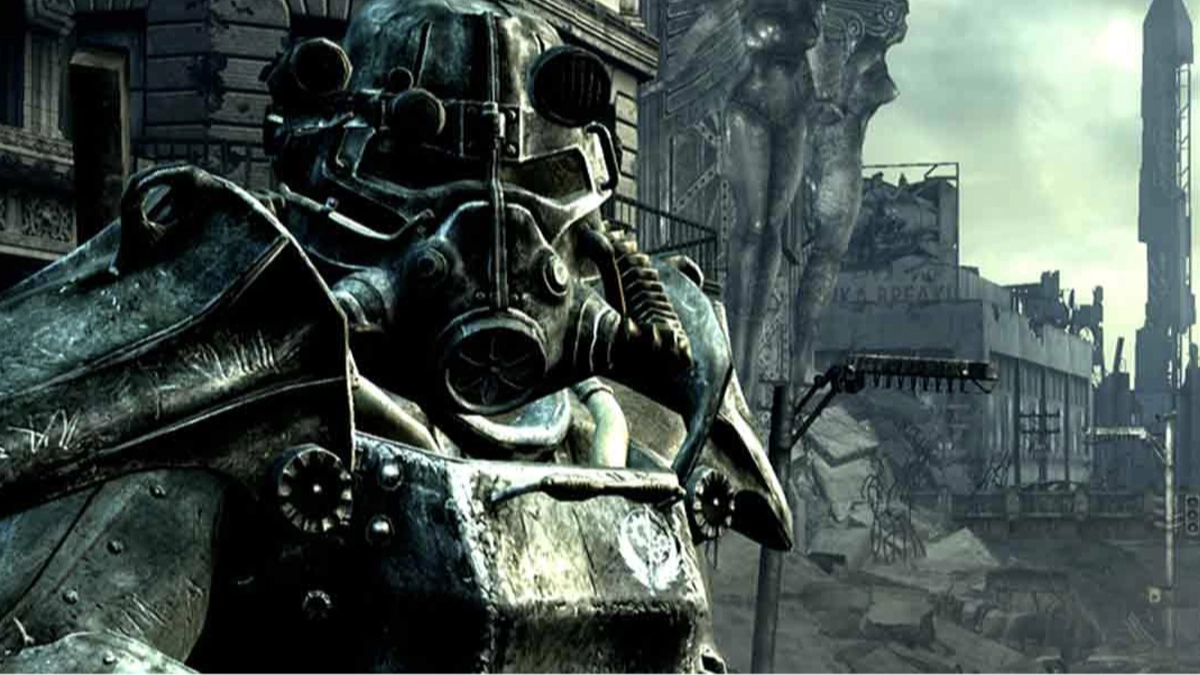
7 Games You’ll Enjoy if You Loved Fallout 3 (And 1 If You Hated It)


It’s easy to feel the large impact of the Fallout series as a franchise in 2026, considering it now has nine entries, several tabletop spin-offs, a successful TV series, and countless merchandise.
Nevertheless, I think it’s safe to say that for many of us, Fallout 3 was a rather memorable experience, and something that is still enjoyable to this very day.
Whether you were a fan of the game in 2008, or only just got around to it more recently, I’ve got seven recommendations for you that you may want to check out if you’re ready for something new.
And if you hated it, I’ve got an alternative to suggest which may be more up your alley. Let’s dive in.
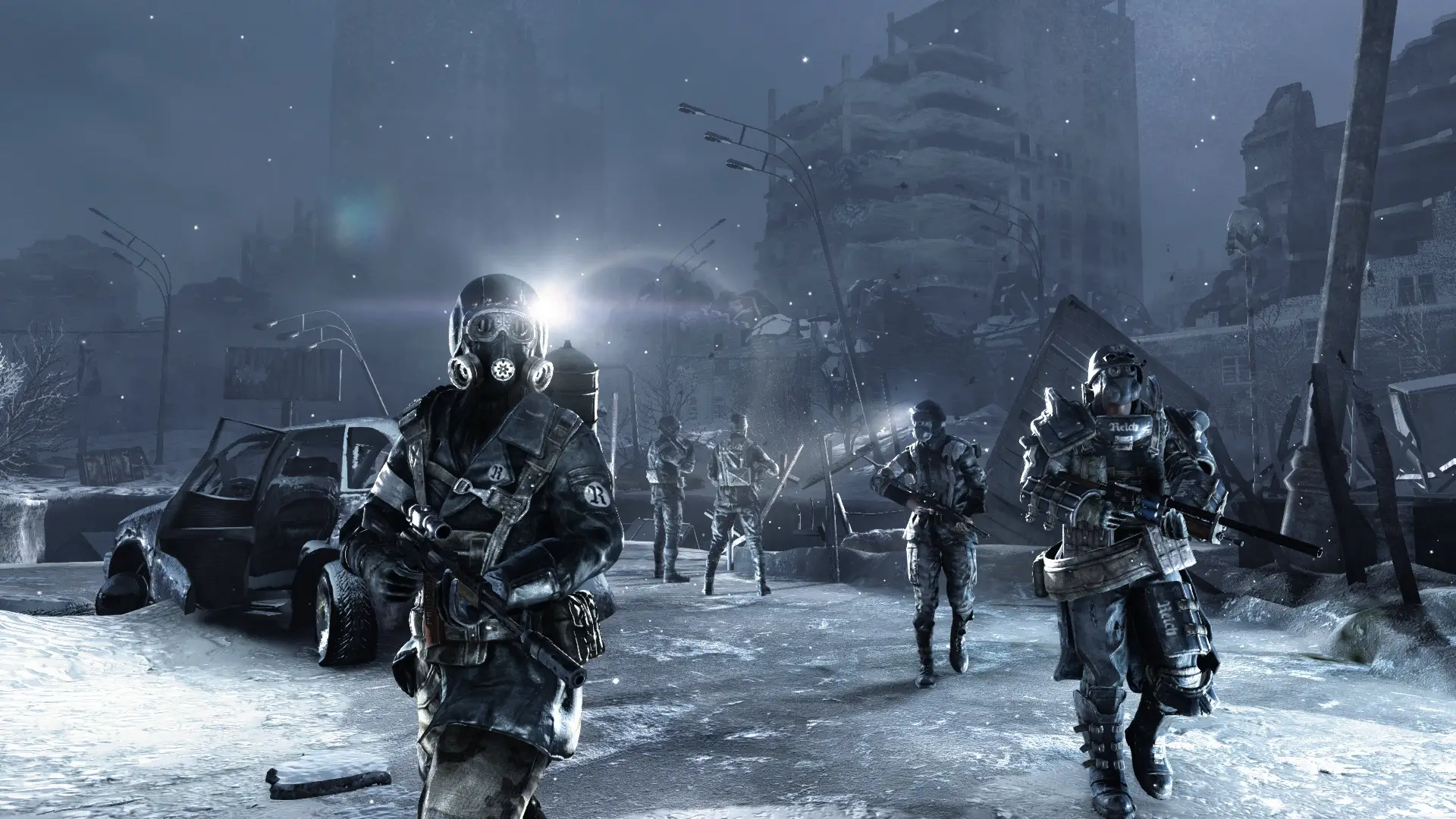
Metro 2033
When Metro 2033 first came out, it was often compared a lot to Fallout due to its post-apocalyptic setting and survival-oriented gameplay. In both universes, resources are limited, mutated monsters roam the world, and humanity lives on through tiny settlements littered across the wasteland. However, while Fallout is often comical and satirical, Metro plays things a lot darker.
Advert
The story follows Artyom, a survivor who lives in the underground safe haven of the Moscow Metro. After his settlement is attacked by a mysterious new threat, he’s tasked with carrying news to Polis, the capital settlement of the metro system.
The Outer Worlds
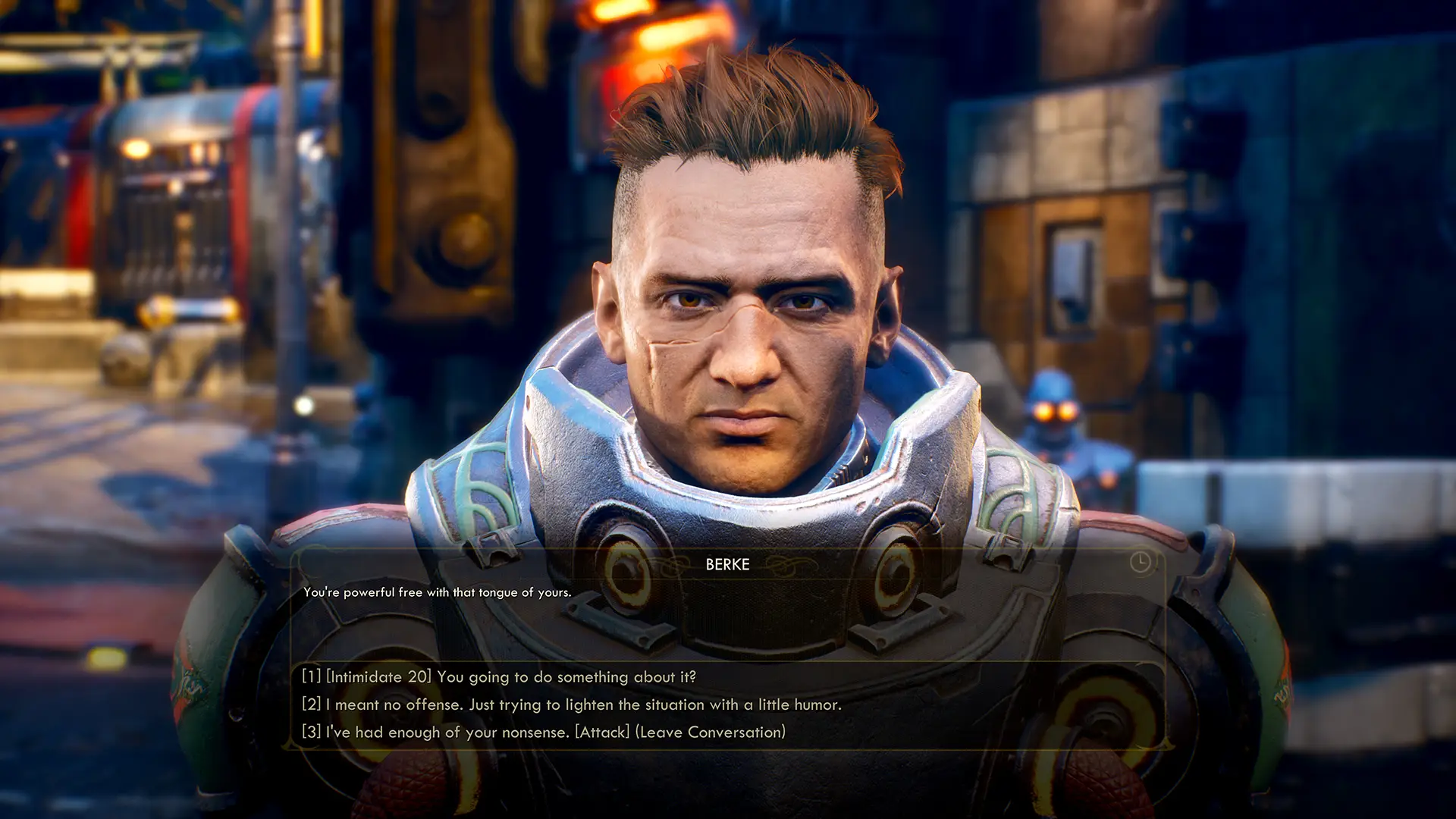
The Outer Worlds is an RPG with a much similar style to Fallout 3 and New Vegas, made by Obsidian Entertainment which consists of several former Interplay developers like Tim Cain and Leonard Boyarsky. The ironic humour and corporate satire of the Fallout games is carried over here, with the “choices matter” design making it very comparable to Fallout 3’s most memorable moments.
It’s set in an alternate future where you play as an injured passenger of a lost colony ship, who must then rescue their fellow colonists and take down the corporations responsible for the colony’s downfall.
Alpha Protocol
Another Obsidian Entertainment game, Alpha Protocol is an espionage RPG where you play as Michael Thorton, a spy who must expose an international conspiracy to stop a war.
Although the game isn’t an open-world RPG, players have a lot of freedom in how they can build up Thorton’s skills and abilities. Levels are pretty open, and they reward forward thinking and creative solutions not unlike an immersive sim, where stealth and clever gadget use can open up some interesting moments during gameplay.

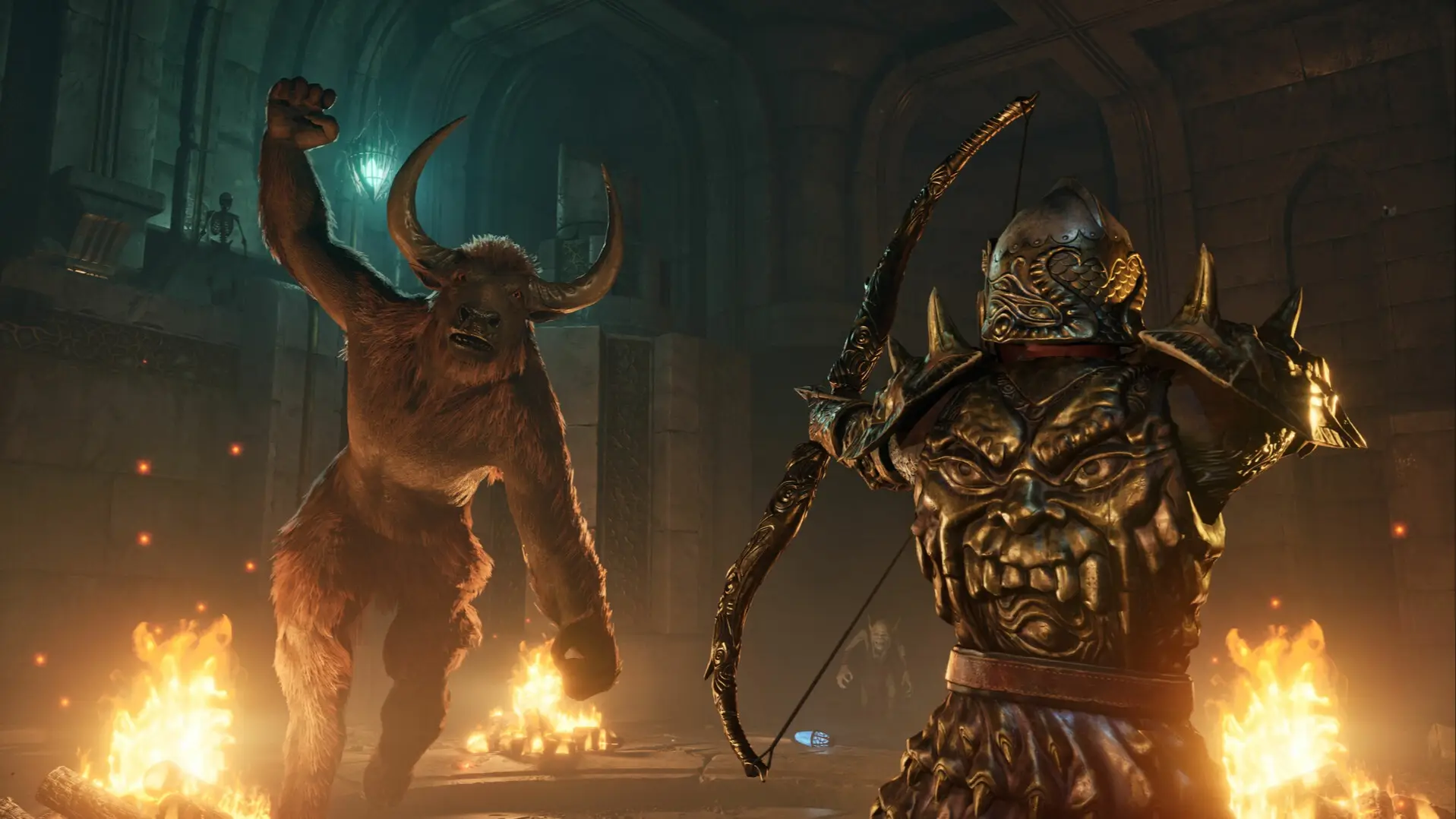
The Elder Scrolls IV: Oblivion
It’s pretty obvious why I’ve put this on the list. At the time of its release, I remember Fallout 3 being called “Oblivion with guns” due to the similarities between both games. And yeah, there are some key differences, but Oblivion is a great thing to try if you wanted the Fallout formula, but in medieval fantasy form.
If you want to try Oblivion, you have two choices: the original or the 2025 remaster. The remaster is obviously newer, is available on more modern platforms, and looks prettier. But if you have the means to play it and can get past the dated graphics of the original, I’d recommend going with that version for the charm alone.
STALKER: Shadow of Chernobyl
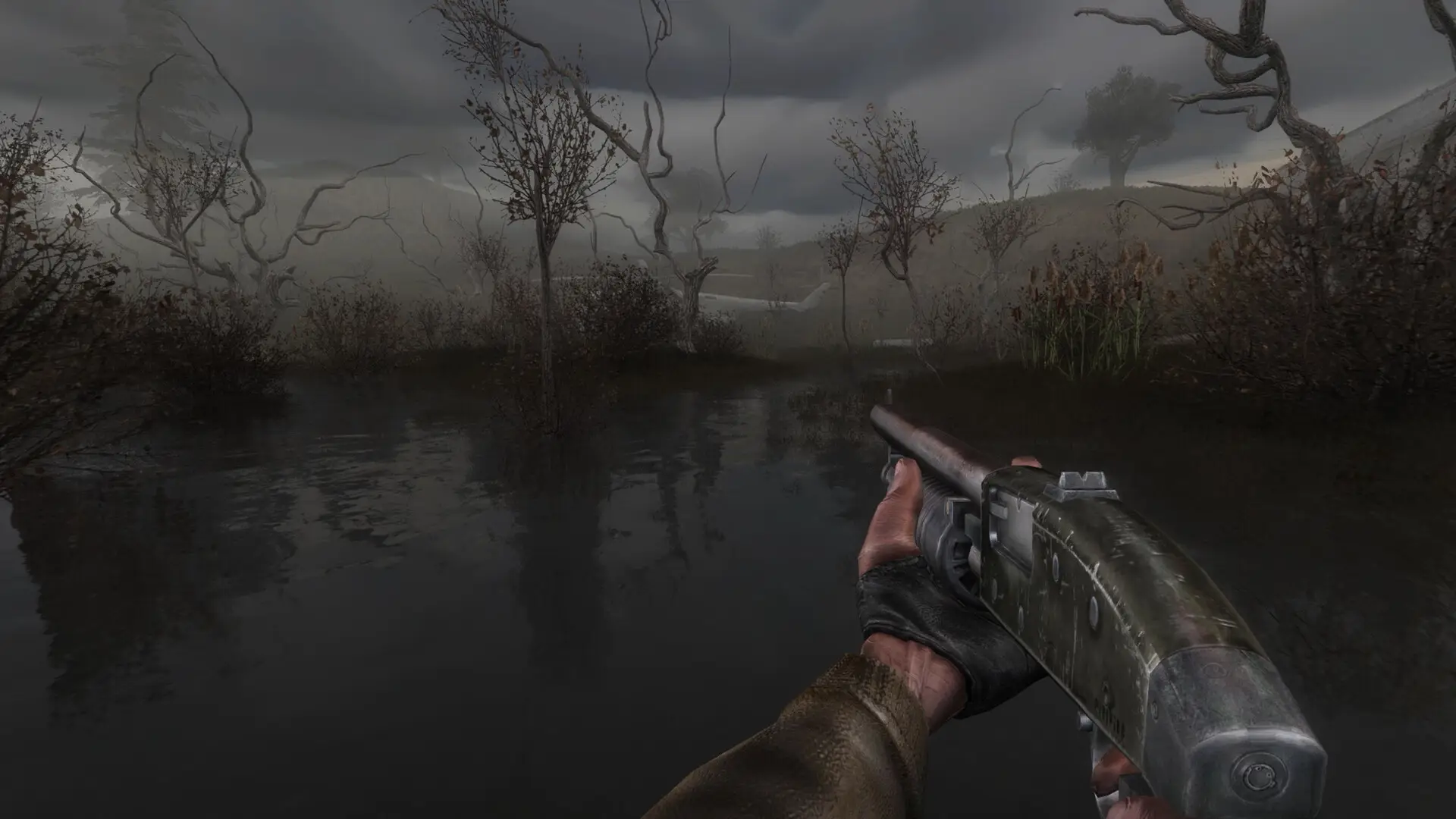
Like Metro 2033, the STALKER series also deals with post-apocalyptic landscapes where you fight mutants and scavenge for resources. And also like Metro, the game takes on a more serious approach to its subject matter compared to the Fallout series’ comedy. Still, it’s worth a go simply because these games are some of the best FPS games of the late-2000s.
The original trilogy; Shadow of Chernobyl, Clear Sky, and Call of Pripyat all vary in terms of quality and presentation, but thanks to the re-releases from 2024, they’re now all readily accessible on modern consoles. Meanwhile, STALKER 2: Heart of Chornobyl is also worth playing, building on what made the original games great while also adding a modern lick of paint.
Kingdom Come: Deliverance
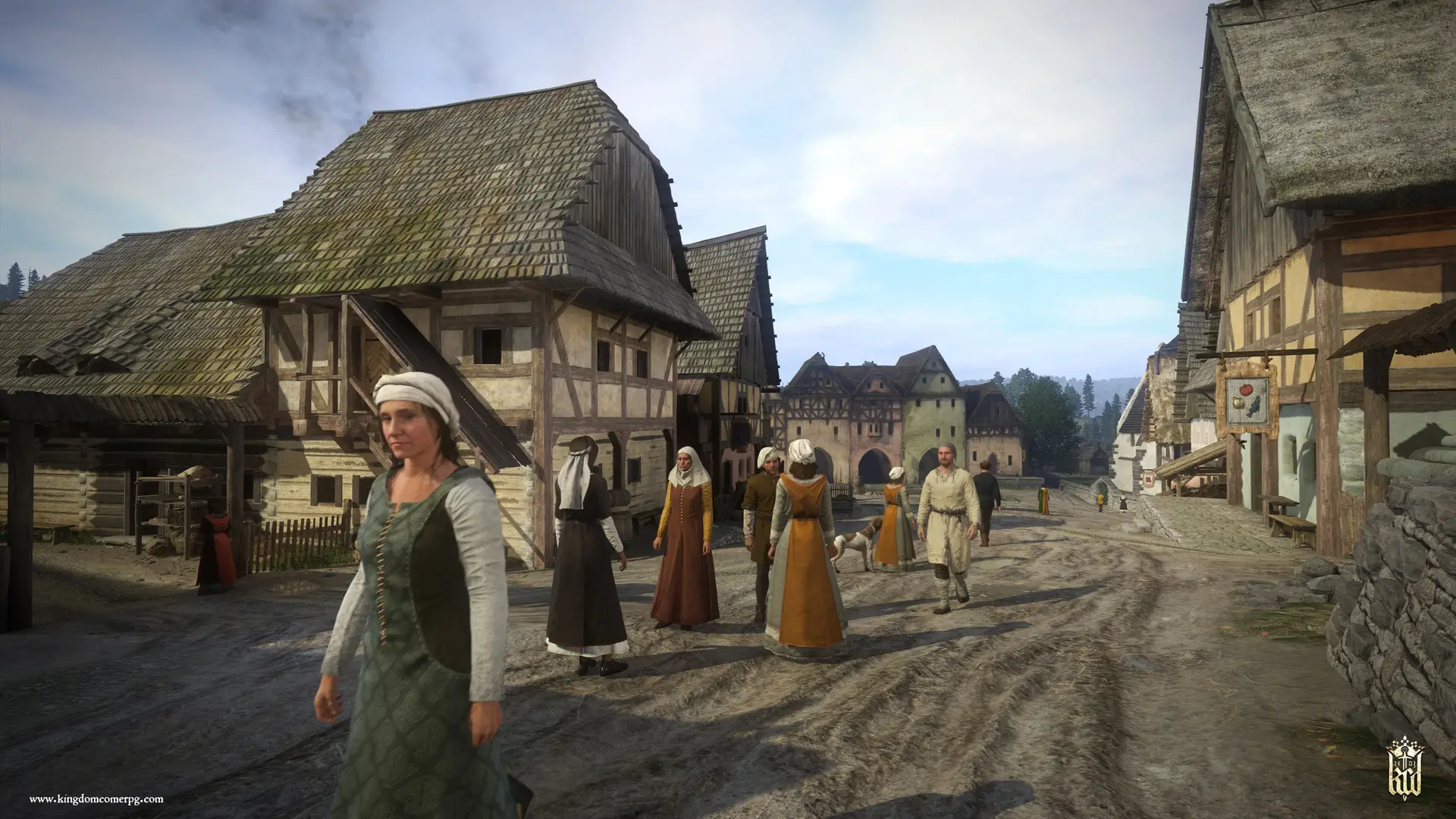
Kingdom Come: Deliverance is another immersive first-person RPG that tackles a lot of the same feelings as Fallout, except one is sci-fi post-apocalypse, and the other is medieval. Despite the difference in setting, something that makes Kingdom Come: Deliverance work so well is the emphasis placed on its more simulated aspects.
NPCs have their own schedules, and their interactions with you shape how your narrative goes. Meanwhile, you have a hunger and sleep system to look after, all while your progression is based on how much you utilise the different mechanics available to you. It also has some great main and side quests, which all feel incredibly meaningful where you have a lot of autonomy to complete them.
Fallout 2
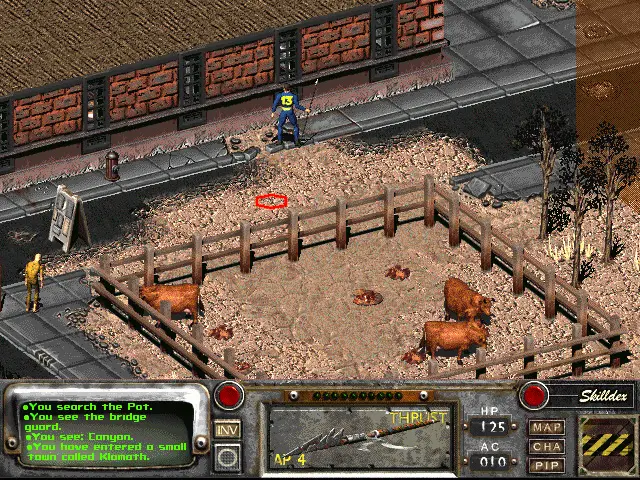
Of course, hard to do a list like this and not recommend one of the original Fallout games. Don’t go into these games thinking they’re like Fallout 3 though, they’re not. Instead, they’re tactical RPGs with turn-based mechanics and a bigger emphasis on role-playing.
Of the several games that make up the original Fallout games, I went with Fallout 2 as it’s probably the best one (and also the easiest to understand). It gives you a lot of freedom in how you approach quests, expands on a lot of what made the first one good, while also removing some of the more frustrating features. Most importantly, the 150 day in-game time limit is stretched out to 13 years, giving you plenty of more time to relax and play at your own pace.
If You Hated Fallout 3, Try Fallout: New Vegas
If you like Fallout 3, you probably also like New Vegas. But I’d also suggest you try it if you hated Fallout 3. It’s quite a different game from its predecessor, in particular with the faction reputation system completely changing the game in immersive and unexpected ways.
Want to play as a devious fella and murder the entire New Vegas strip by siding with the Legion? You can do. Want to purge Nevada of the Legion instead, and bring chaotic order to the area? You can also do that. Fallout: New Vegas is an exercise in what you can do when given more freedom to develop your character how you wish, and it’s a lot better than Fallout 3’s pigeonholing of how your role plays out.

Topics: Fallout, Bethesda, Retro Gaming, List