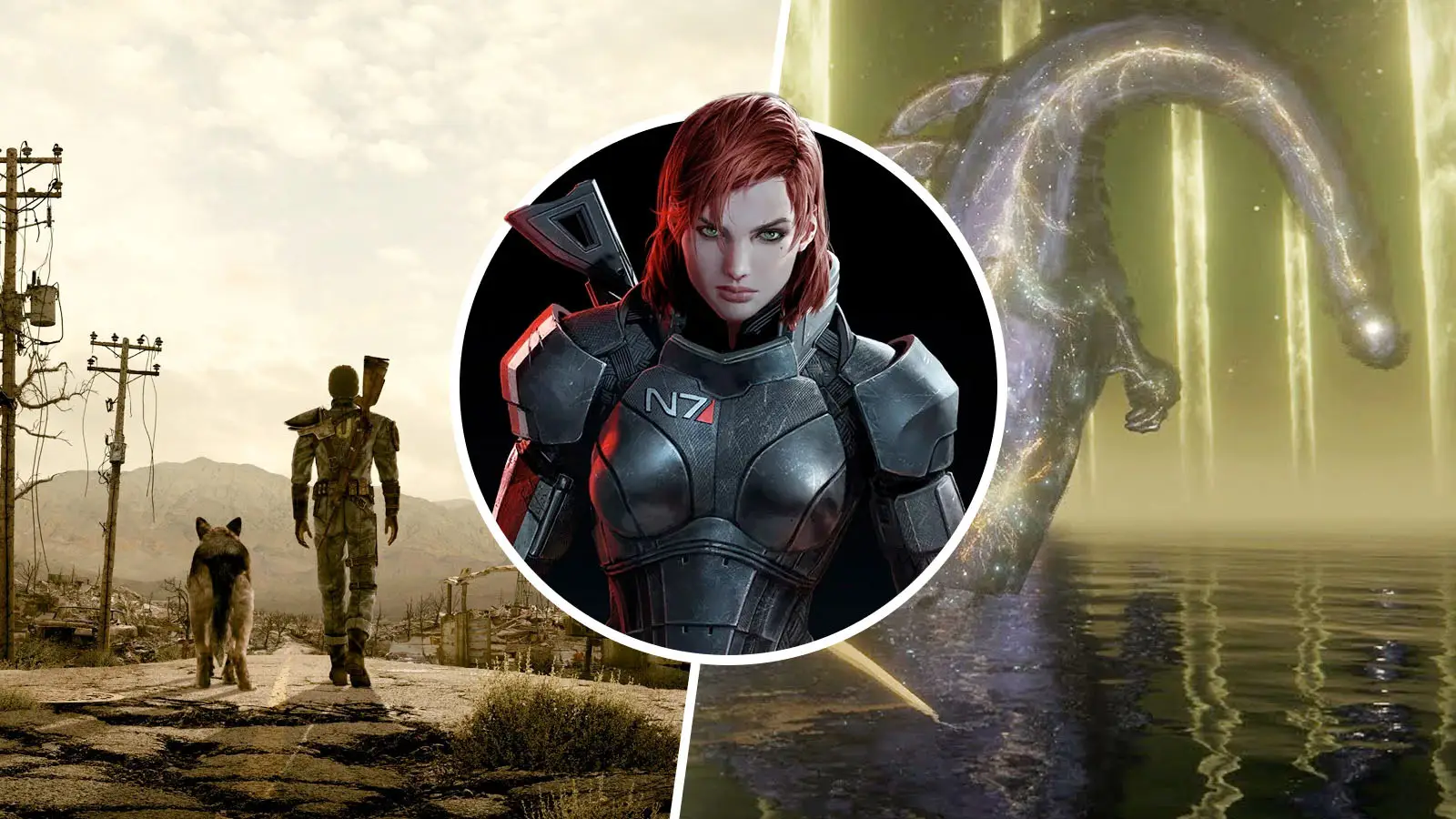
7 Great Games That Had Really Weak Endings


If you’ve ever played through an incredible video game, only to be disappointed by the closing hours, we can relate.
When video games take dozens, and possibly hundreds of hours to reach their conclusion, you can sometimes build up an idea in your head of how you want the story to play out.
And when the game doesn’t necessarily play out to how you envisioned it, it leaves a sour taste in your mouth as you wish for what could have been.
Here are seven great video games which had disappointing endings, whether that’s for narrative reasons, lacklustre final bosses, or other issues getting in the way of making them truly impressive.
1. Mass Effect 3
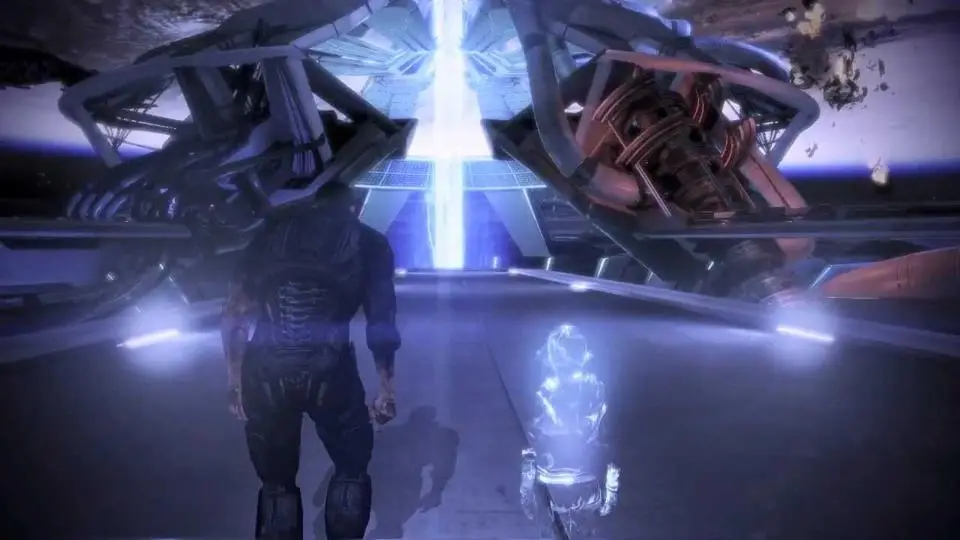
I’m going to get this one out of the way, because Mass Effect 3’s ending is infamous for how poorly received it was, especially after half a decade of buildup.
Advert
The Mass Effect series prides itself on making your choices matter. Some decisions you make very early on in the first game have repercussions to events occurring in the second and third games. This all led to much hype surrounding the third game’s release, with lots of speculation around how the ending choice may play out.
Considering one streamlined Mass Effect trilogy playthrough can take you over a hundred hours, with many branching choices, characters being killed off, and deep relationships being developed that carried over between each title, it was disappointing to see it resulted in a choice between three different coloured explosions.
Not only this, but even after Bioware went back and updated the game to include more diverse ending content, many plot holes and inconsistencies remained. It was a sour end to what was otherwise a pretty great game.
2. Far Cry 2
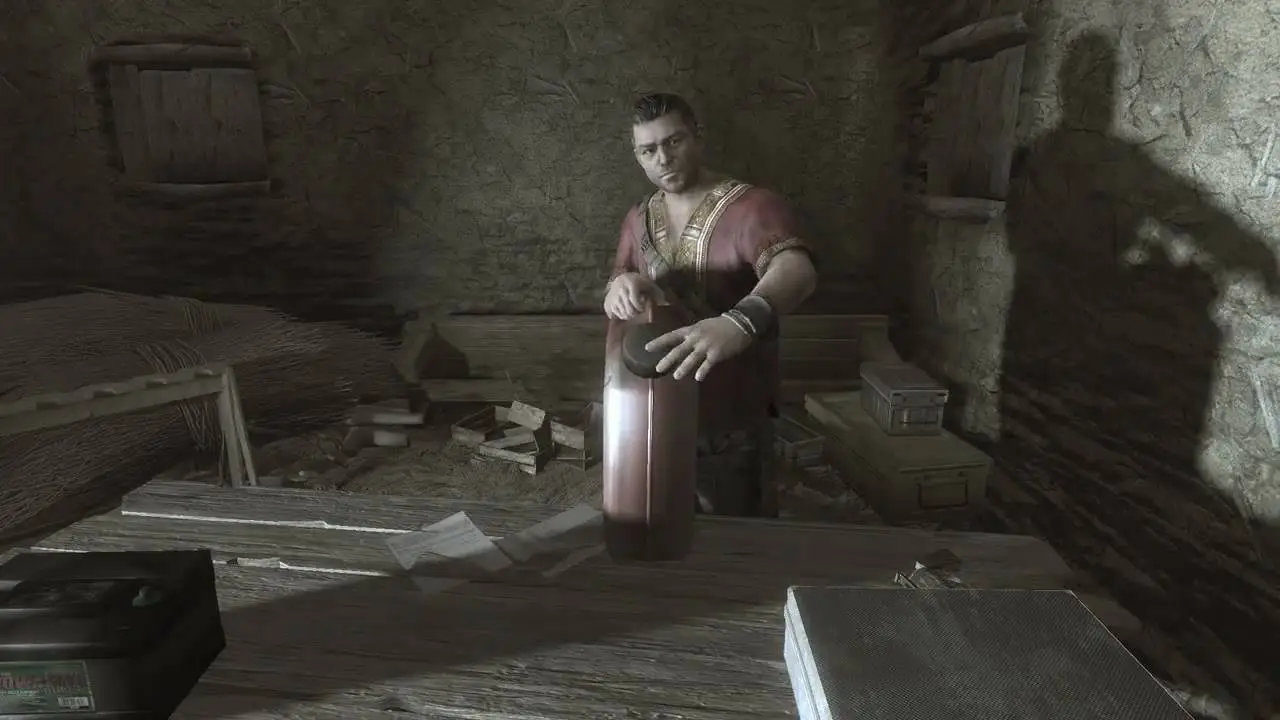
For the first half of Far Cry 2, you’re playing as a mercenary who is assigned to kill the Jackal, a weapons dealer at the centre of a civil war between the game’s fictional country’s government and a rebellion faction that opposes it.
About halfway through the game, after hours of pursuing the Jackal, you discover he has become disillusioned with the conflict. Instead, he asks you to join forces with him to help save innocent civilians still trapped in the country.
The final mission has you make a choice between detonating a series of explosives to prevent soldiers from pursuing the civilians, or bribing the guards to let them pass, with the Jackal taking the other job.
However, both endings result in your death. And what’s worse, it feels like neither option is really fleshed out enough to make it feel worthwhile.
3. Fallout 3
Fallout 3’s ending may have been slightly fixed in the Broken Steel DLC, but its original ending felt like a huge slap in the face for anyone who had spent the previous 30 hours becoming a paragon of the wasteland.
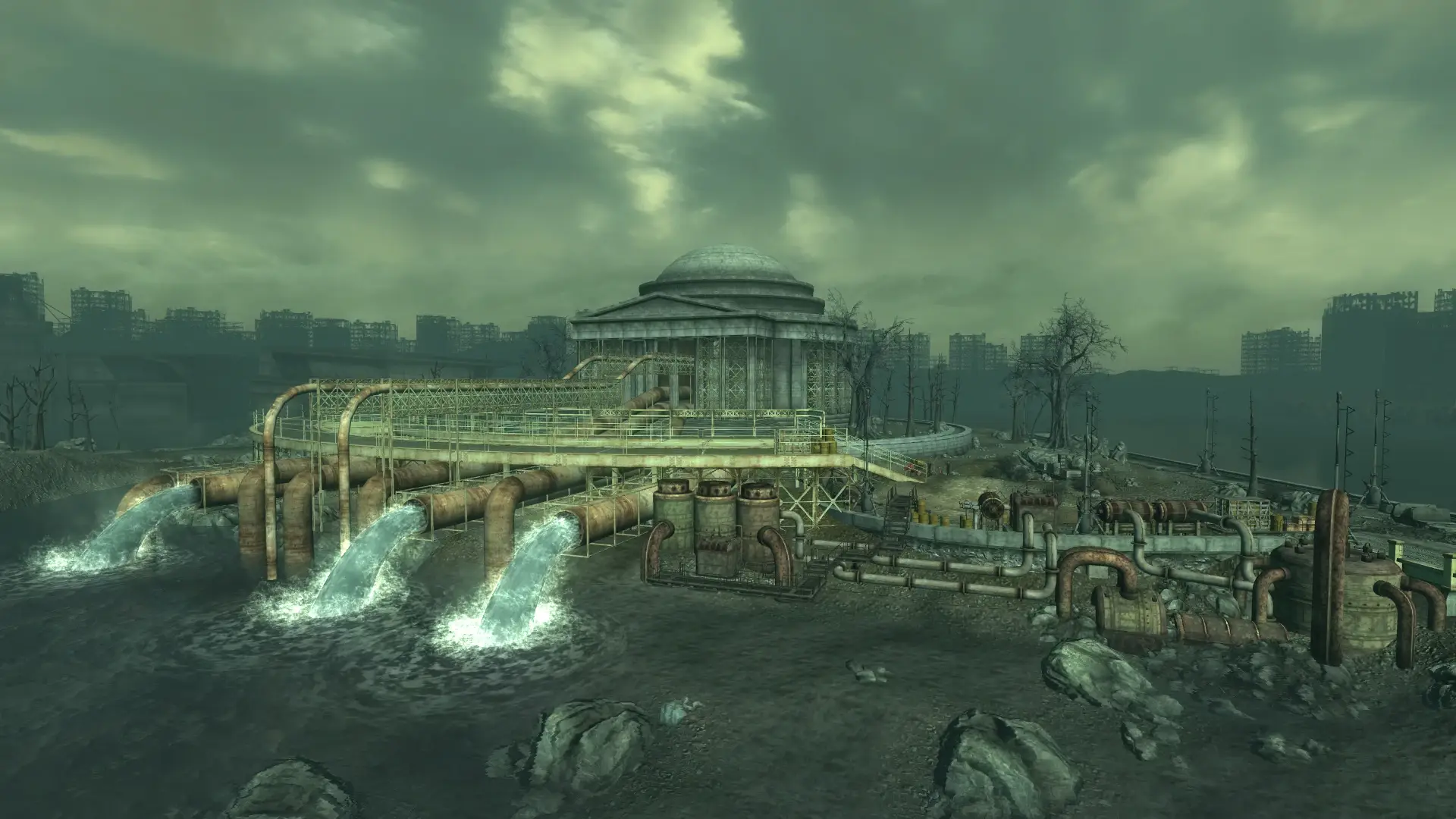
After a lengthy battle against the Enclave, you and your followers reach Project Purity, and are tasked with activating the console to deliver clean water to the Capital Wasteland. However, the room is filled with lethal radiation from earlier in the story, and therefore inaccessible to you without dying.
Unfortunately, the ending falls apart here as your radiation-immune companions will refuse to go inside the chamber and do it themselves, insisting that you do it yourself. You’re essentially forced into doing it yourself, getting killed off in the process, even though it makes tremendous more sense for someone like Fawkes or Charon to head inside and turn the console on.
4. Middle-earth: Shadow of Mordor
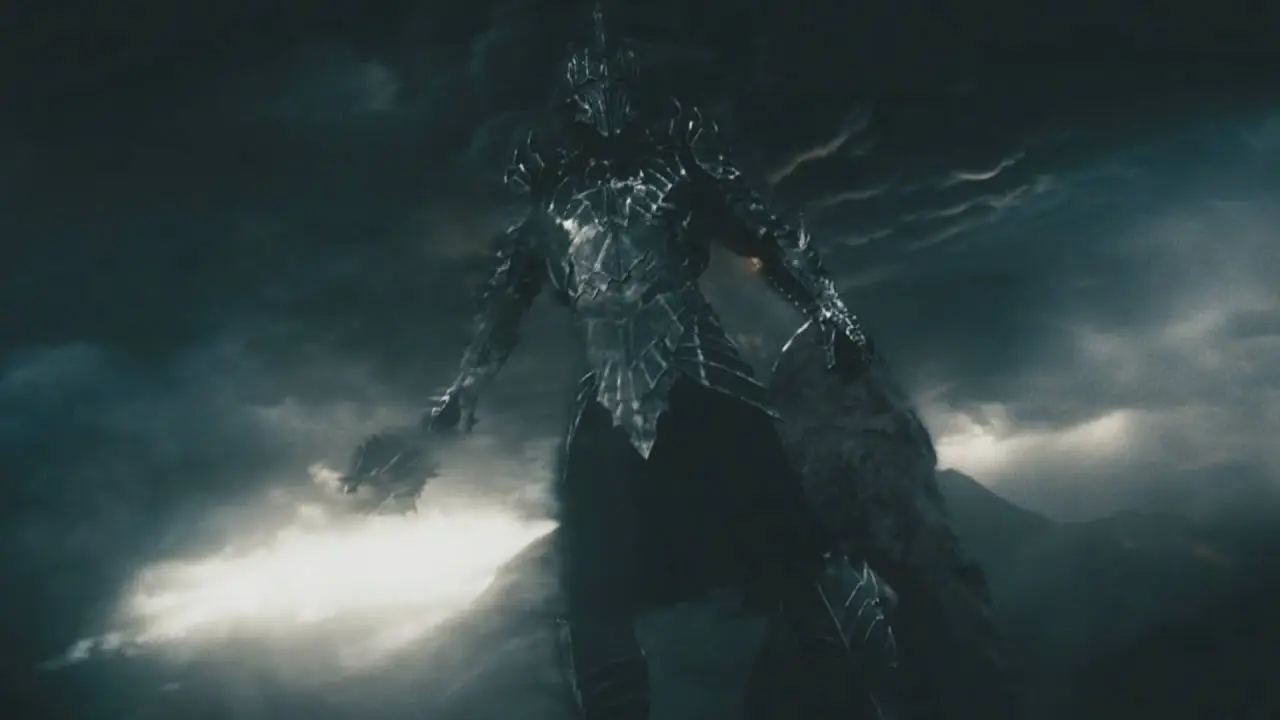
Placed between The Hobbit and The Lord of the Rings, Middle-earth: Shadow of Mordor is set beyond the Black Gate where the dark armies of Sauron have been growing stronger.
The game teases the presence of Sauron throughout the entire story, with the dark lord finally appearing in person at the very end of the game, complete with his badass armour from the prologue of The Fellowship of the Ring.
Unfortunately, despite Shadow of Mordor having a pretty awesome combat system, your final fight against Sauron basically amounts to a rubbish quick-time event that is over within a couple of minutes and ends rather abruptly.
While disappointing, Monolith Productions tried to rectify this in The Bright Lord DLC and the game’s sequel, Shadow of War, by giving you the chance to rip your weapons into Sauron’s face, but the damage was already done.
5. Days Gone
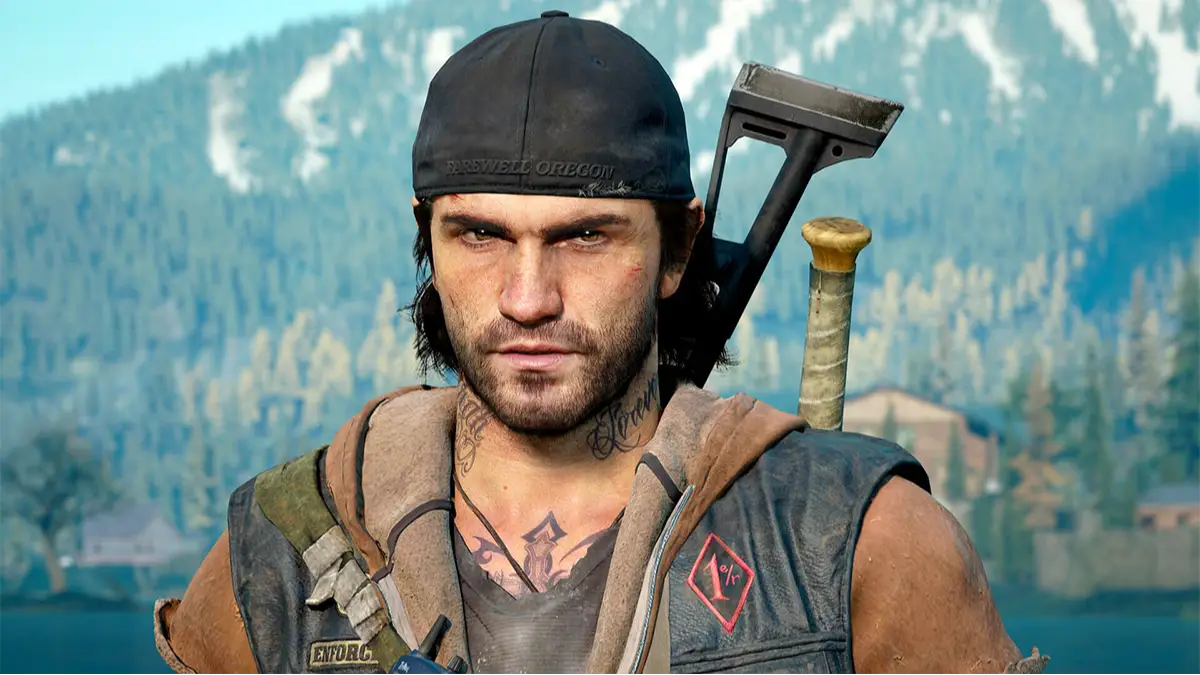
We’ll probably never get a Days Gone 2, and that makes the ending of the game a little disappointing considering the amount of plot threads that are left hanging.
So, at the end of Days Gone, we’re treated to a rather rosey ending where Deacon and his friends defeat the militia and are free to settle down in Lost Lake in peace. It’d be fine if this is where it ended, but in true AAA fashion, you’ve gotta have a sequel hook at the very end of your game, even if there’s no guarantee of a sequel.
After the credits are done rolling, you get a call to come to O’Brian, a scientist who you encounter several times during the story, for a face-to-face meeting. O’Brian spends the majority of the game in a Hazmat suit, so you don’t actually see his face until this meeting.
It’s then revealed that O’Brian is actually infected with the zombie mutagen, but has retained his intelligence. He then warns you about the government coming, and then the game ends there. I wish he’d also warned us about the fact this won’t be getting a sequel.
6. Elden Ring
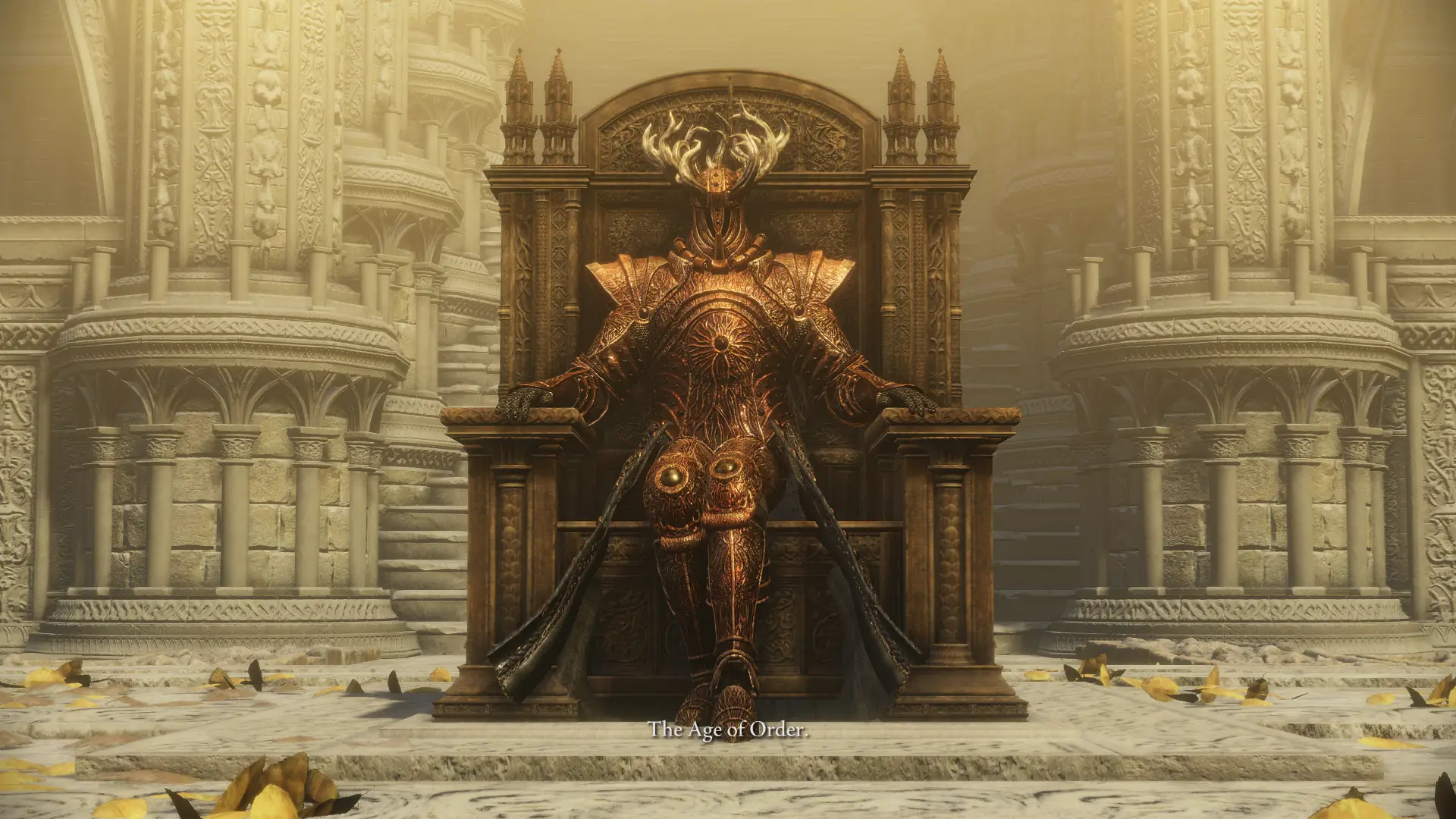
In almost every variation of Elden Ring’s endings, you choose to mend the Elden Ring and begin the new age as Elden Lord. This is done after defeating Radagon of the Golden Order and then the Elden Beast.
Putting aside that Radagon and the Elden Beast are fairly disappointing as final bosses (Malenia is the real final boss, as far as I’m concerned), there are a lot of details about these endings that are left purposely vague, or just aren’t really elaborated on in meaningful ways.
All four of the Elden Lord endings are essentially the same cutscene, with slightly different implications. But we don’t really get much in the way of exposition about what each ending actually means for the future of the Lands Between. There’s no indication of where we go from here.
It’s a little disappointing that you don’t really get to see the results of your 80+ hour endeavour. It might also be why I tend to gravitate towards the Ranni ending in almost every playthrough, as there’s at least a little more going on there.
7. Half-Life: Alyx
This one is more of a twofer, as it essentially tries to ‘fix’ the ending to Half-Life 2: Episode 2, but actually introduces more problems.
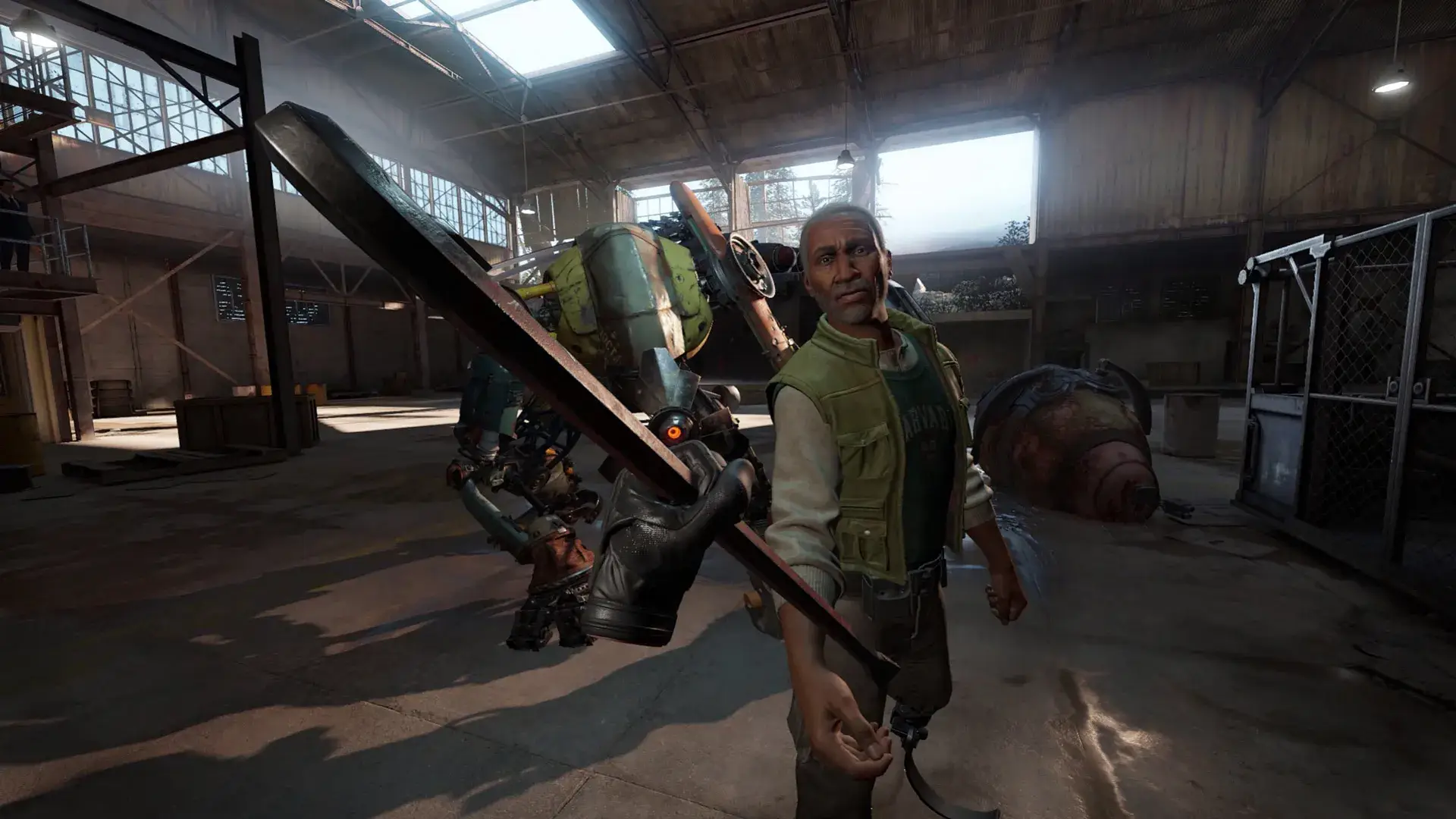
So, Half-Life 2: Episode 2 ends in a cliffhanger that sees Eli Vance killed by two Combine Advisors. Then we cut to black and… nothing. There was no Episode 3. It was cancelled.
We were stuck with that cliffhanger for 12 years until Half-Life: Alyx released in 2019. The game is a prequel set a few years before the events of Half-Life 2, but at the very end, Alyx travels forward in time to Eli’s death and manages to prevent it from happening. It’s here that a new cliffhanger ending is seen. Instead of Eli dying, Alyx is captured by G-Man, and we’re left with Eli and Gordon preparing to get her back.
What particularly sucks about this ending is the realisation that Valve had re-opened the can of worms that was Half-Life 2: Episode 2’s ending, give it a new twist, and then peace out again for at least another seven years. It’s such a shame if the release of Half-Life: Alyx got you invested in the series once again.
Then again, this is a series that hasn’t always had the best track record with endings. The endings for both the original Half-Life and Half-Life 2 come to mind as ones that were particularly disappointing.
Topics: Elden Ring, Half Life Alyx, Features, List, Fallout, Mass Effect, Far Cry, Half Life, Half-Life 2, The Lord Of The Rings, Days Gone