Top 6 differences between Marvel’s Wolverine and Spider-Man (and 2 similarities)


Marvel’s Wolverine has been subjected to an unwarranted barrage of hate, and it’s hard to pinpoint why. Admittedly, it just feels as if we’re stuck as a society within an era of rage bait where every shiny new thing is torn to shreds for no apparent reason by people who clearly have nothing better to do.
Yet having been hands-on with Marvel’s Wolverine, I can now safely say it’s a far cry from what the scourge of the internet would have you believe. Insomniac Games is clearly performing at a very elite level, having created something that feels intrinsically Insomniac and yet as if it’s breaking entirely new ground for the studio with its mature approach to violence. After playing through around two or so hours of the game, I’m quite certain that Marvel’s Wolverine is world-class.
The title is shaping up to be a brilliant and worthy new take on a beloved character that simultaneously honours Logan’s rich heritage. With a fluid and moreish combat system, a sweeping cinematic story, and clever level design, I saw plenty that left me more than optimistic. For those wondering just how, however, Marvel’s Wolverine compares to Insomniac Games’ Marvel’s Spider-Man series, here are six differences that set the two apart - and three similarities for good measure.
Six differences between Marvel’s Wolverine and Marvel’s Spider-Man
Combat is much less focused on gadgets and gimmicks
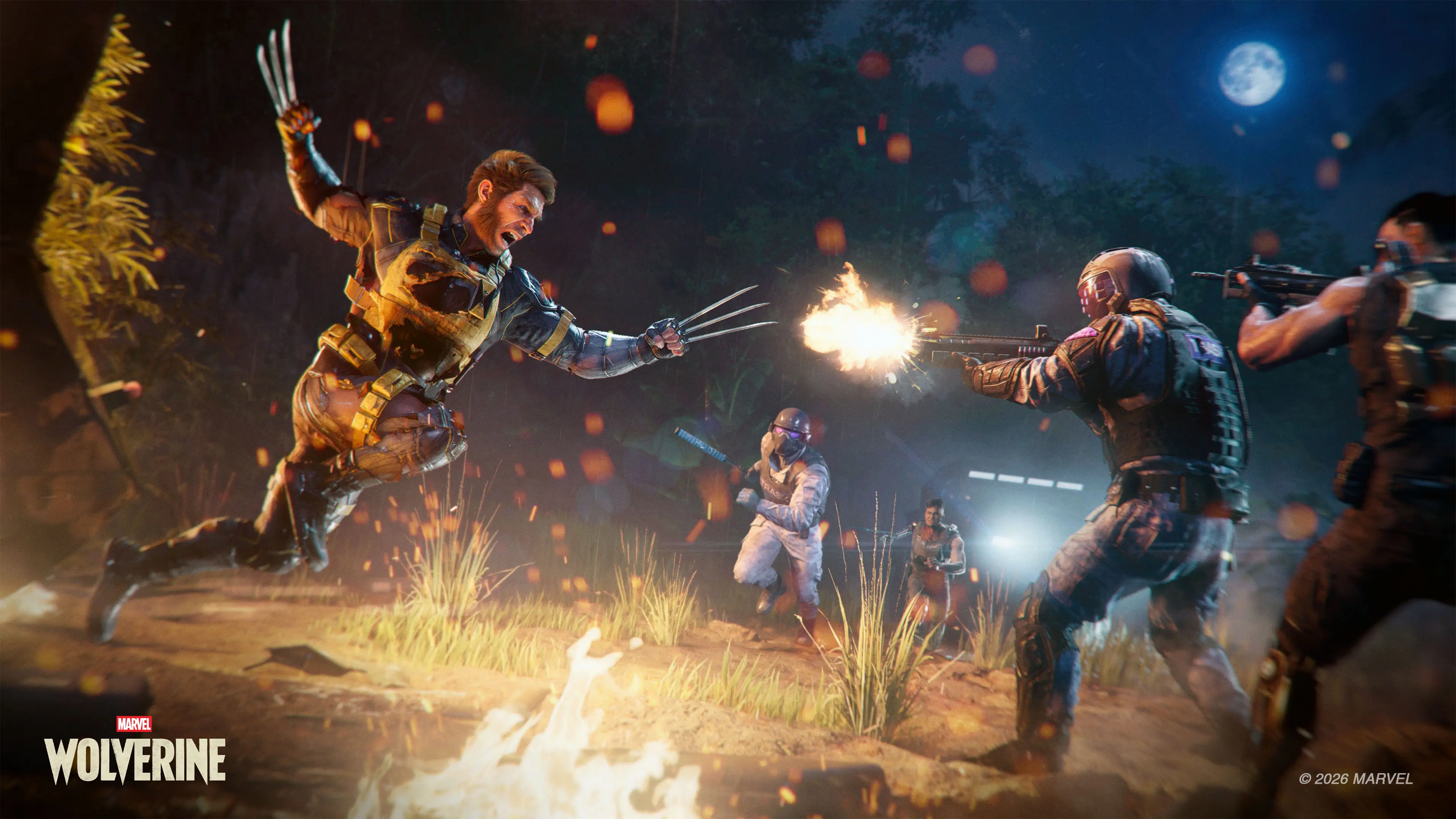
Logan isn’t your typical character that can cycle through a bunch of weapons; his claws are his weapon. But that’s not at all a limitation within Marvel’s Wolverine. While the combat is far more focused than what you’ll find in Marvel’s Spider-Man - less reliant on gadgets and gimmicks - it’s no less entertaining. In fact, I’d argue the visceral, close-quarters melee combat is even more satisfying as you make quick work of the goons that come Logan’s way.
Advert
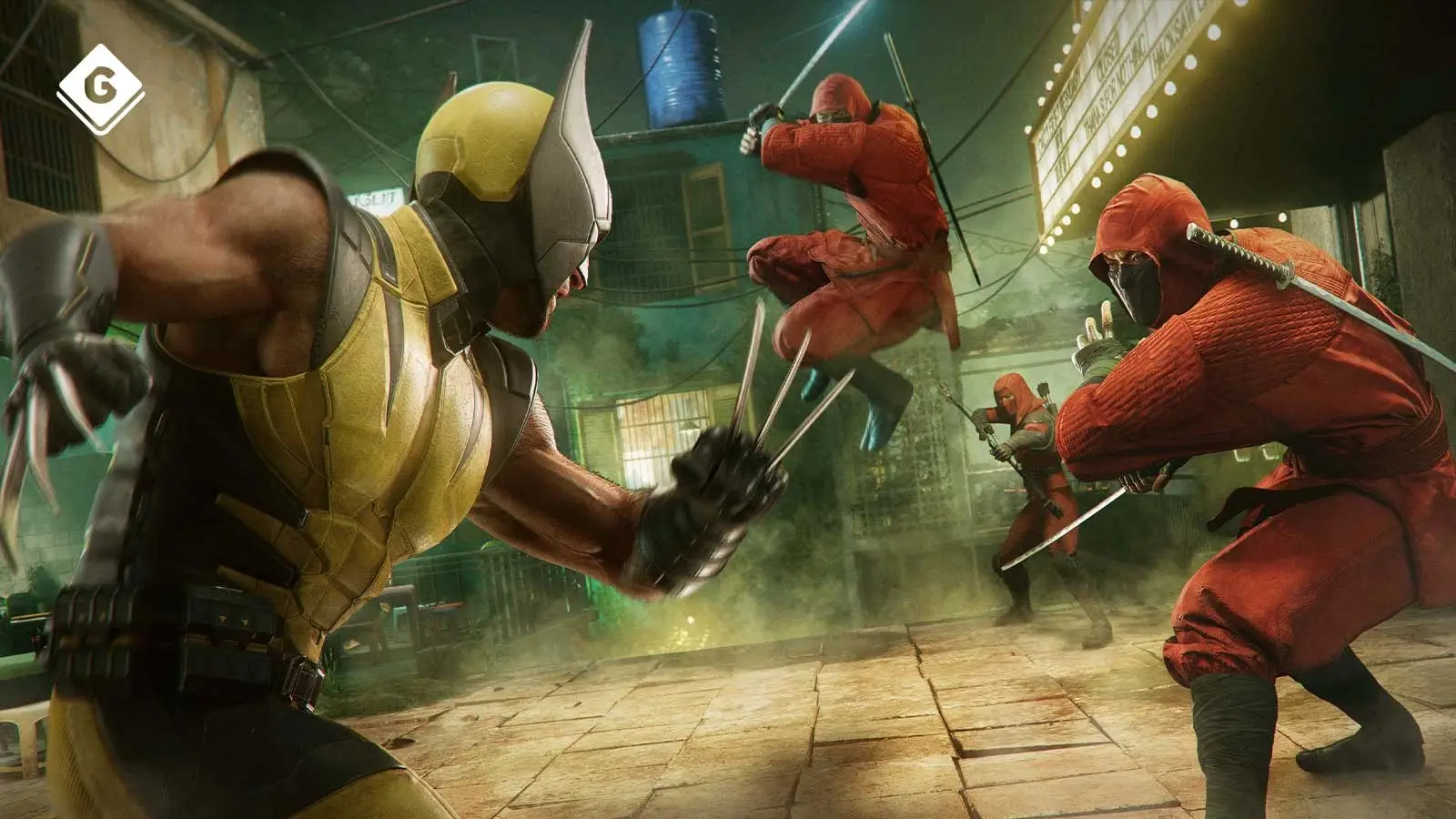
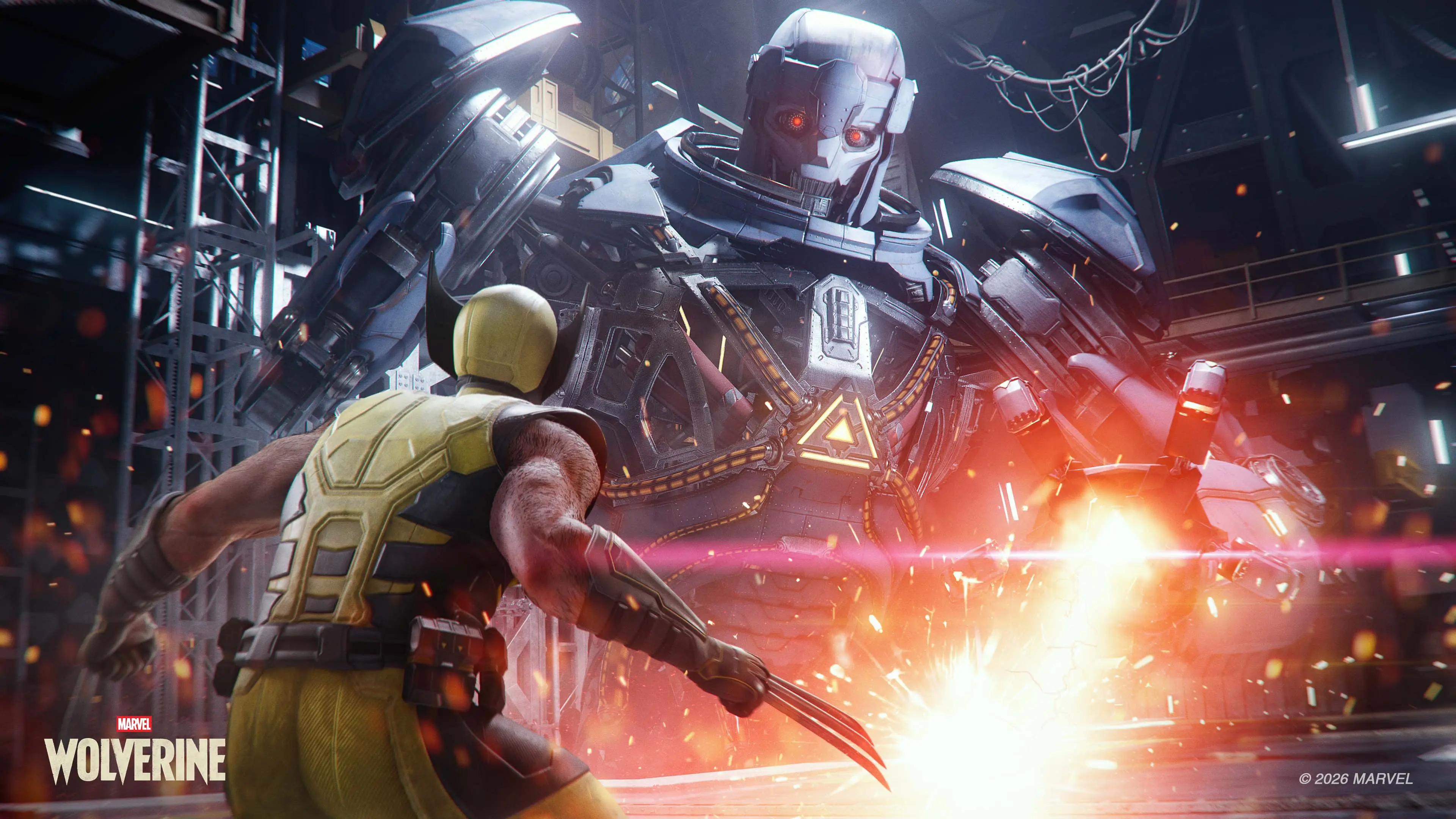
I played through the same segment you’ve likely seen reported on by many outlets online. The preview began with the game’s opening as Wolverine, Sabretooth, and Mystique - known as Team X - embarked on a mission to rescue Nathaniel Essex from a compound belonging to Bolivar Trask as I fended off both human enemies and cybernetic reavers. I then played a segment towards the end of Act One that tasked me with defeating a giant sentinel in my only taste of a boss fight, before going hand-to-hand with the fast-paced ninjas of The Hand.
At the most basic level, Logan can slash or leap and slash towards his enemies, with standard options to dodge and parry also included. Parrying can, of course, open up the opportunity for a devastating attack, plus you can unleash a powerful kick to stun enemies or break through their shields. Beyond this, the player is able to unlock new techniques as well as special techniques. The standard level of techniques adds new combos, so pressing square, square, triangle, for example, may vary and intensify what Logan can do with his claws.
As for special techniques, those are mapped and accessible by pressing L2 with the player able to have four special techniques equipped at any one-time. One of the first special techniques I got to sample was the Tornado Spin, which saw Logan spin with his claws outstretched, decimating everyone in the nearby vicinity. They work on a cooldown system so you can’t just spam special techniques non-stop.
Alongside all of this, there’s a rage meter which has several uses. It’s using rage that Logan can heal, but more on that later. As for how it ties into combat, you’ll earn rage the more you fight, with rage split into three bars, at least in the portion of the game I played. As you fill bars one and two, you’ll be able to unleash finishers, but it’s when you fill the third bar that things get really exciting. Upon maxing out rage, Logan will enter a mode akin to Kratos’ Spartan Rage or Jin Sakai’s Ghost Stance. He’ll instantly slaughter anyone standing in his way until the rage meter runs out.
It’s arguably in Logan’s nature to attack a situation head-on, but there are options for stealth-based approaches in certain missions too. Logan has keen senses, so he can spot and hear nearby threats, with a variety of attacks in his arsenal to take unsuspecting enemies out quietly. In fact, I was told by game director Mike Daly that stealth has its benefits because you can quietly boost your rage meter with stealth attacks before launching a more aggressive next move.
If anything, the combat of Marvel’s Wolverine is far more akin to that which you’ll find in God of War than it is to Marvel’s Spider-Man, so it’s easily a must-play for fans of Santa Monica Studio’s beloved IP.
This is Insomniac’s most violent game to date; it doesn’t hold back

Marvel’s Wolverine has secured a Mature (M) rating, and it’s easy to see why. Director Mike Daly previously referred to the game as “unapologetically violent”. He relayed an anecdote to me, explaining how the team settled on this intense approach. “It went through a lot of iterations to sort of figure out where the right line was because, you know, if you are going for it unapologetically, you can cross the line into glorifying violence or being sadistic, and that's not really the character. He just sort of gets the job done, and we wanted to represent that,” Mike began.
“I can relate one anecdote from development that I look back on. The art directors were talking about needing to put extra effort into adding a high-violence mode. The conversation in the room between the directors was basically, ‘Why would you add a high violence mode?’ and they were like, ‘Well, it's because that's what fans expect.’ And we said, ‘That means that's the default game. That's what we need to shoot for for everybody.’ And then, if needed, we'll add a low violence mode in order to make it more broadly accessible.”
That’s precisely what the team has done with Marvel’s Wolverine, featuring settings to turn off the blood and dismemberment effects - and let me tell you, there is plenty of blood and dismemberment. I expected as much, and yet, Marvel’s Wolverine still managed to catch me off guard with just how unfiltered it is, but it wonderfully enhances just how intense and visceral an experience this is.
It’s not only your enemies that’ll get dramatically torn to shreds. Logan will take a fair bit of damage too, and that’s really nicely reflected on his person. Logan’s suit will deteriorate the more damage you take. As for healing, which I alluded to earlier, Logan automatically heals as he fills out his rage meters. At the end of a bout of combat, all rage will go towards healing. During combat, it’s a much slower transfer as you’ll also want to use rage to unleash attacks. If you do take fatal damage and you have at least one rage bar, you can activate the Last Stand mechanic, which essentially allows you to drain that rage in order to revive yourself. It’s a neat system that’s fluid to match the fast pace of the game’s combat.
You can almost create a build, tailoring Logan’s abilities to your playstyle
Within the game’s menu, aside from the techniques page, you’ll also be able to unlock and equip several skills, and it’s here that players can almost craft a build for Logan to suit their ideal playstyle. The skills essentially work as passive buffs, so it’s very much in your interest to take the time to peruse all available options to see what actually may aid in your approach to combat.
As with all kinds of upgrades, you won’t instantly unlock access to the entire library of skills; you’ll need to level up. It’s with this in mind that I was only able to sample a small amount. But there were, for example, buffs that increased healing during particular attacks or intensified moves if pulled off in a certain way. If you prefer beginning in stealth, playing it safe with higher health, or want an all-out bloodbath, skills serve to help you find a nice approach to combat that fits comfortably within your wheelhouse.
This is a cinematic linear adventure akin to Uncharted or The Last of Us
The Marvel’s Spider-Man series is open-world, allowing players to freely explore New York. Marvel’s Wolverine isn’t that. It’s a linear, cinematic action-adventure that shares more in similarity with Uncharted or The Last of Us - perhaps the former, with its shared globetrotting nature.
“A lot of our favourite Wolverine stories have that globe-hopping structure. He is a character who's lived a long time and has been all over the world,” Mike told me of how this structure came to be. “For starters, we looked at our favourite iconic Wolverine stories and the different places that they went or at the different characters he interacted with - and that sort of made our palette from which we started constructing the story, ejecting things that didn't work, but keeping the things that did.”
He continued, “A particular point of reference for me at least was when Wolverine had his first stand-alone comic run in 1982. That series opened with Telambang, and had him quickly going to Madripoor and going to Tokyo so that, in particular, had a big influence as we tried to scout locations and cast characters.”
Like those Naughty Dog franchises I mentioned, Marvel’s Wolverine never limits you to feeling like you’re moving through corridors of enemies. The scale of each level is wide enough that you feel as if you have a choice in where you go next, even though you most definitely don’t. In one instance, I was chasing a member of The Hand, and I was thrilled that it wasn’t one of those awful chases where the game does most of the work for you. Instead, the area I was within was big enough that I could pick my route, choosing whether I wanted to run down tight alleyways or scale rooftops, with the nifty traversal system allowing the player to pretty much take any approach.
“You're right in that there are multiple points at which you can sort of choose different routes to try and keep up with them,” Mike said. “And we wanted to build in that flexibility because it's one of the things that we think makes traversal interesting for Wolverine. [...] There will be some points with cinematic action set pieces, but that can't be the whole game. We want changes in pace where things get to slow down or get to be more open and exploratory.”
That was very much true of the opening mission based in Telambang where you plow your way through small-scale linear fights before you’re let loose in a fake city, able to choose which of the multiple objectives you tackle first.
As you travel across the globe, the nature of the enemies changes too. The Hand, for example, were much faster than the reavers I originally faced. It felt as if they overwhelmed me quickly, making me much more reliant on attacks that had a wider field of impact.
“We wanted each faction you have to fight against to have a strong, unique identity,” Mike explained. “The reavers are hardy; they do a lot of damage and their technology makes them deadly. They've got a bunch of gadgets [and] tricks they can pull out of their sleeve. The Hand, as you mentioned, are fast. They're slippery, they're agile, and so playing against them utilises your reflexes, but they don't have a ton of armour, so they also drop pretty quickly. Then sentinels are sort of multi-tools. They have ranged attacks [and] melee attacks. They have jet thrusters that get them across the battlefield, and they're very hardy, so as you encounter these different factions as you go across the world, each one sort of changes the tone and the pace of battle in a way that keeps it fresh.”
The side content is much more streamlined, but benefits from being so
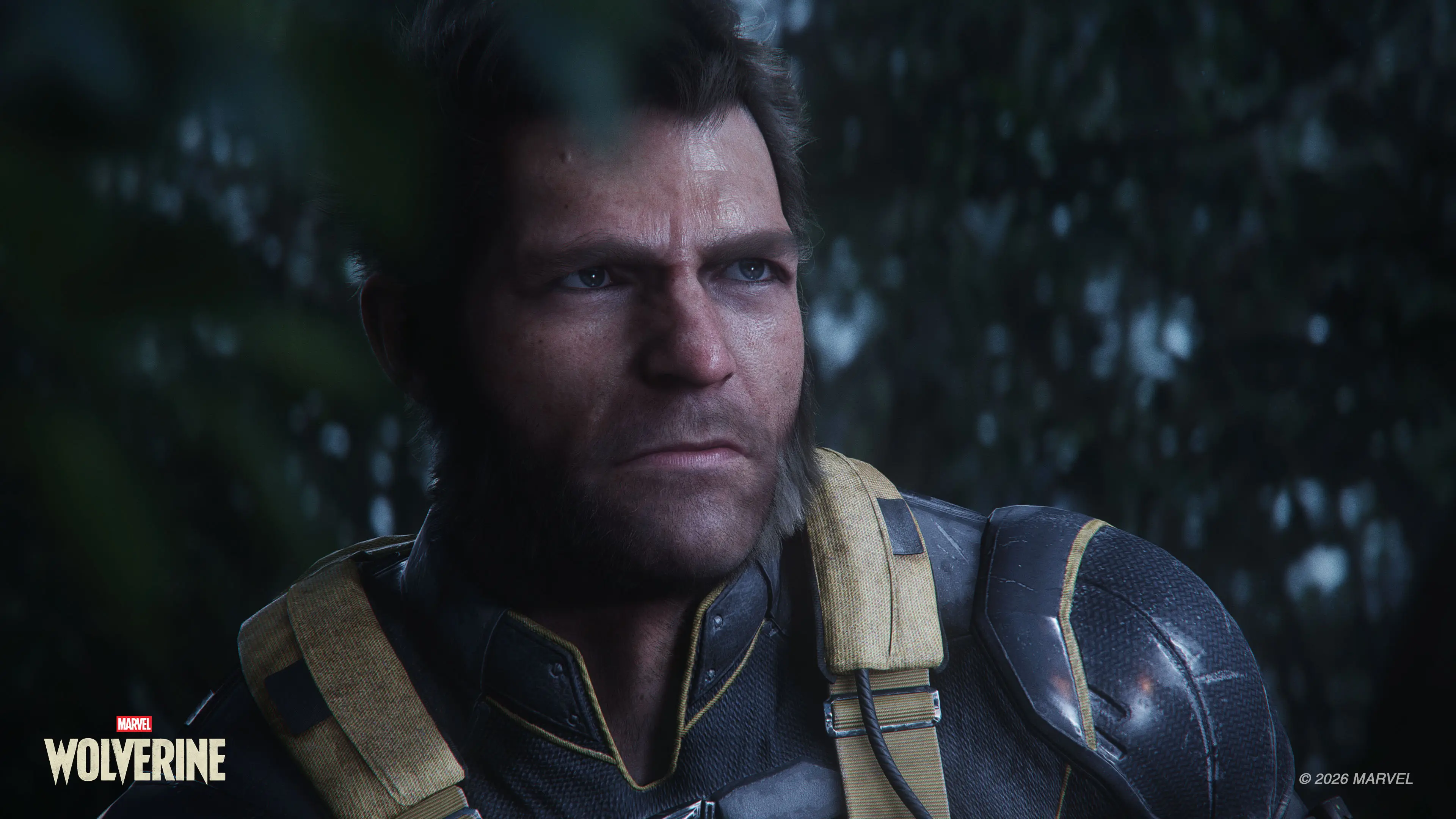
As Marvel’s Wolverine is a linear title, the side content is much more curated and streamlined, which is most definitely an advantage. As much as I adore the Marvel’s Spider-Man series and have got the platinum trophy for each entry, side content within those titles is repetitive. Here, you’ll predominantly want to look out for Nightmare Portals. These are skill-based challenges that also help you unearth new intel from Logan’s past. Each and every Nightmare Portal poses a completely unique skill-based challenge, with the one I sampled being traversal-based. I had to parkour through a distorted city, racing against the clock.
“They all sort of have a very simplistic tiered scoring system based on time,” Mike explained. “Most of the Nightmare Portal challenges you'll find are either traversal challenges or combat challenges, but each one has a specific skill that they're trying to test or lean into.” He added that there are also “gauntlet” based portals, which are endurance-based and see players fight off waves of enemies with modifiers sometimes upping the ante. The better you perform, the more rewards you unlock.
While I only sampled one portal, I get the feeling that as the challenges are so unique, they’ll never get boring. When you step inside the portal, you’ll find yourself in a cabin, and from here, you can access any of the previous portals you’ve encountered if you want to try and improve your score so, no, don’t worry. You won’t lose any opportunities within the linear structure of the game.
For those who adore Easter eggs and Wolverine’s rich comic history, Marvel’s Wolverine also features collectible whisky bottles, each revealing a memory from Logan’s past. “I think we've done a good job of rewarding the sharp-eyed player,” Mike said of these. “If you pay attention to their labels, there's a lot of fun references in there. I think if you were big into Easter eggs and Spider-Man, then you know about what to expect in Wolverine.”
Insomniac steps it up graphically with its most impressive visuals to date
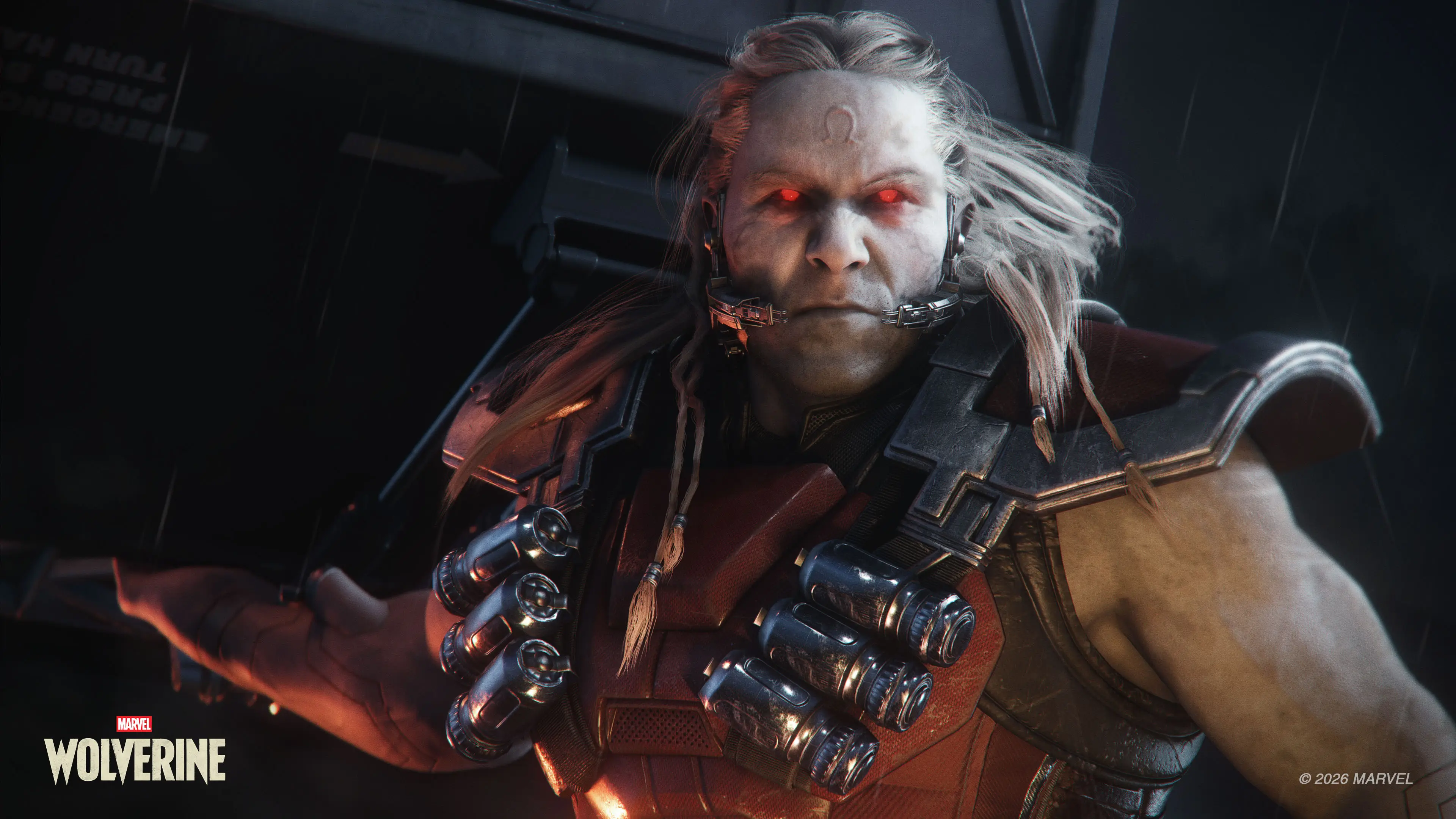
Insomniac Games is a AAA studio, so impressive graphics are perhaps to be expected with the amount of money pumped into a game of this stature. However, Marvel’s Wolverine easily feels like the studio’s most impressive graphical outing to date. Granted, I played through the preview on a PlayStation 5 Pro which, admittedly, is the first instance I’ve had to try out what I now know is a very, very impressive mid-generation console upgrade.
It’s with this in mind that I can’t comment on how Marvel’s Wolverine plays on a standard PlayStation 5, which is how I’ll be checking the game out at launch. That being said, I cannot fault anything I saw. From the environment design to the iconic cast of characters, Marvel’s Wolverine oozed quality, class, and an impeccable sense of detail that I’m sure will remain clear whichever iteration of the PlayStation you choose to play on.
Two similarities between Marvel’s Wolverine and Marvel’s Spider-Man
Insomniac Games hasn’t lost its penchant for strong storytelling
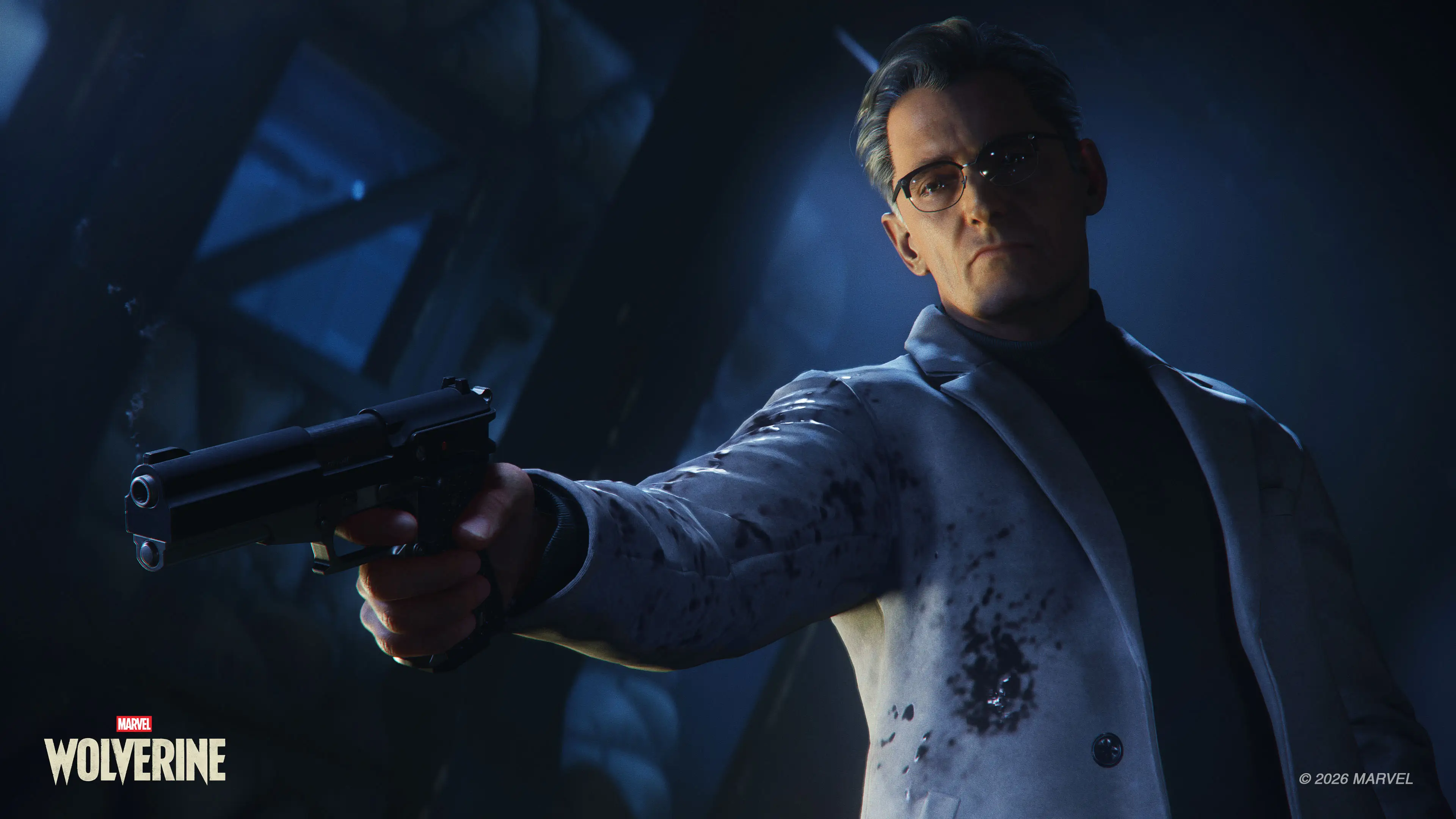
Marvel’s Wolverine continues to display Insomniac Games’ penchant for world-class storytelling with a tale that I’m sure will appease long-time fans of this famed member of the X-Men. In this particular universe, the X-Men do not exist, with mutants very much living in the shadows. The game isn’t an origin story, and yet, it’s wholly accessible to those, like me, who aren’t exactly experts when it comes to the X-Men universe.
By the end of the first mission, I felt very comfortable with the lay of the land despite your introductions to Logan, Mystique, Sabretooth, Essex, Omega Red, and Trask coming in the midst of a high-stakes mission. On one hand, you are dropped in at the deep end, and yet, Insomniac Games has crafted the story in a way that you instantly feel at home and familiar with Team X. The whisky bottles I mentioned earlier should fill in some of the gaps concerning our protagonist’s backstory.
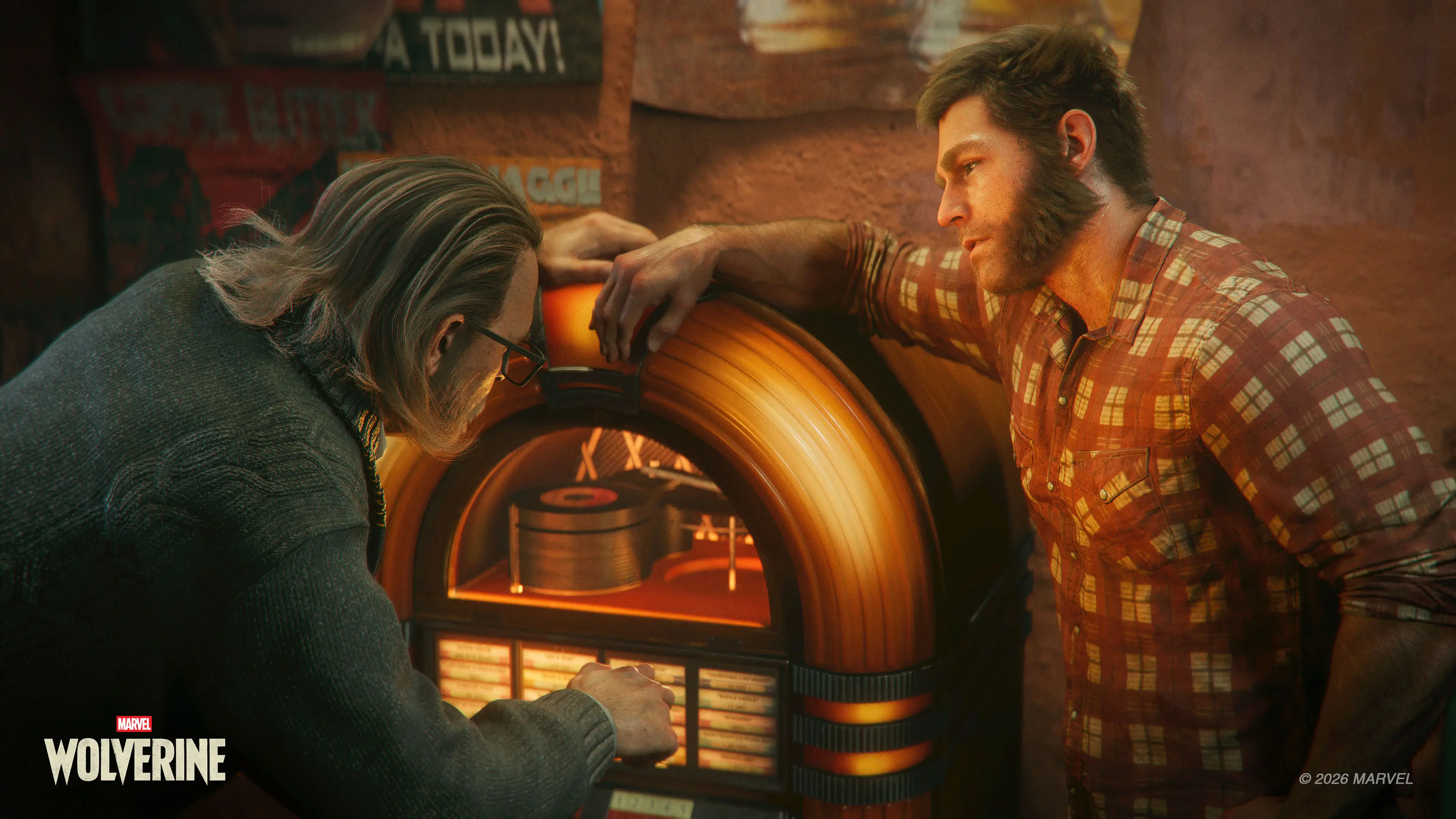
As for leading man Liam McIntyre, he offers a great take on the character. I asked Mike what made him perfect for the role: “He did such a fantastic job. It was clear that he was going to make a great Logan, I think in large part because he does so much of the performance just in his expressions and his body movements. Logan is a man of few words, and so that was really essential to us that basically, you know, just his grunts, his eye motions, how he shrugs things off, got his personality across.”
McIntyre is joined by Troy Baker as Nathaniel Essex, with much of the rest of the cast remaining unannounced.
The upgrade system and general feel have that Insomniac Games class
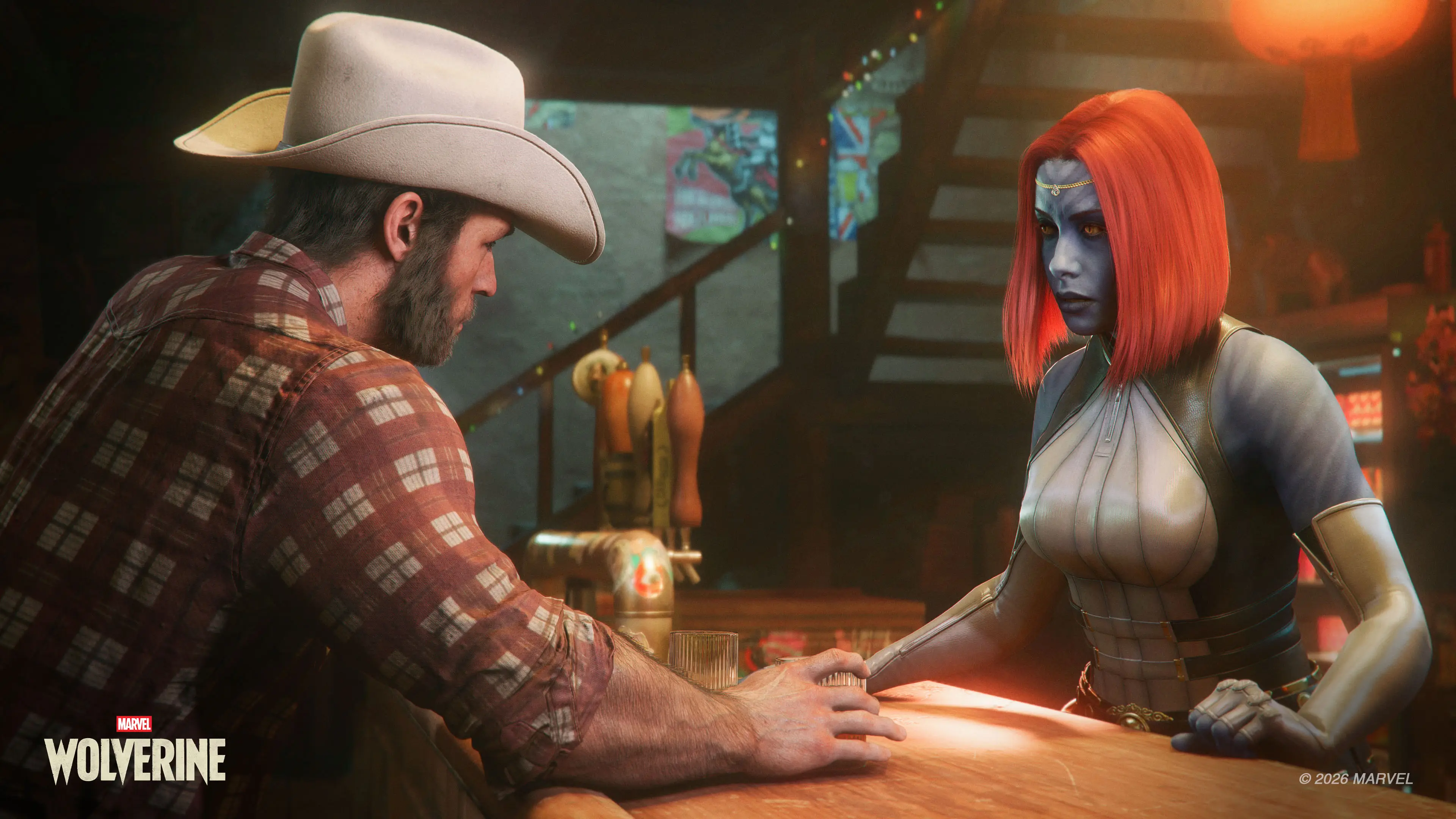
While I’ve spent much of this piece telling you just how different Marvel’s Wolverine feels to Marvel’s Spider-Man, it’s also important to stress just how much of a shared identity the two titles do boast. After all, they’re set within the same universe, although Mike told me, “You don't meet Spider-Man in this game.” Perhaps in a future one?
Linear vs open world. Violent vs family-friendly. Gadget-focused vs melee-focused. These things set the two titles apart, as I’ve said, but at the end of the day, Marvel’s Wolverine should feel like a homecoming to long-time Marvel’s Spider-Man fans. From mission structure to UI to just the visual language, there’s a comforting throughline even though this is ultimately new ground for Insomniac.
Based on what I’ve played, Marvel’s Wolverine has perfectly struck the balance of creating something that is both new and familiar. It’s Insomniac Games performing at its very best, certainly making Marvel’s Wolverine a day-one purchase for me come September.
Marvel’s Wolverine launches on PlayStation 5 on September 15.
Topics: Insomniac Games, Marvels Spider Man, PlayStation, PlayStation 5, Preview, List