Control Resonant's confusing map is perfectly fine, actually


If there was one complaint that fans had about the original Control, it’s that the map was incredibly difficult to read at times.
It was a common point of annoyance for players at the time that the Oldest House was difficult to navigate, with the map’s verticality and Escherian geometry being a key reason for this.
The map was so hated at the time of release that Remedy Entertainment had to release a patch for Control, which improved navigation for many players, with additional clarity and signposting to help them find their way around the Oldest House.
Seven years later, the same complaints seem to be circulating since the release of Control Resonant. Many players are finding the map confusing to navigate, chalking it up to poor design.
Advert
“Loving resonant but man is the map layout confusing,” reads one complaint on the Control Reddit page.
“Yup. Spent an hour trying to get to the factory earlier. I think it’s a larger problem that just the map, the entire UI is really poor,” another comment in the same thread reads.
Well, I’m here to tell you that you’re wrong; the map isn’t that confusing to navigate, and even if it is, that’s a good thing.
Control and Control Resonant's maps are perfect for the experience
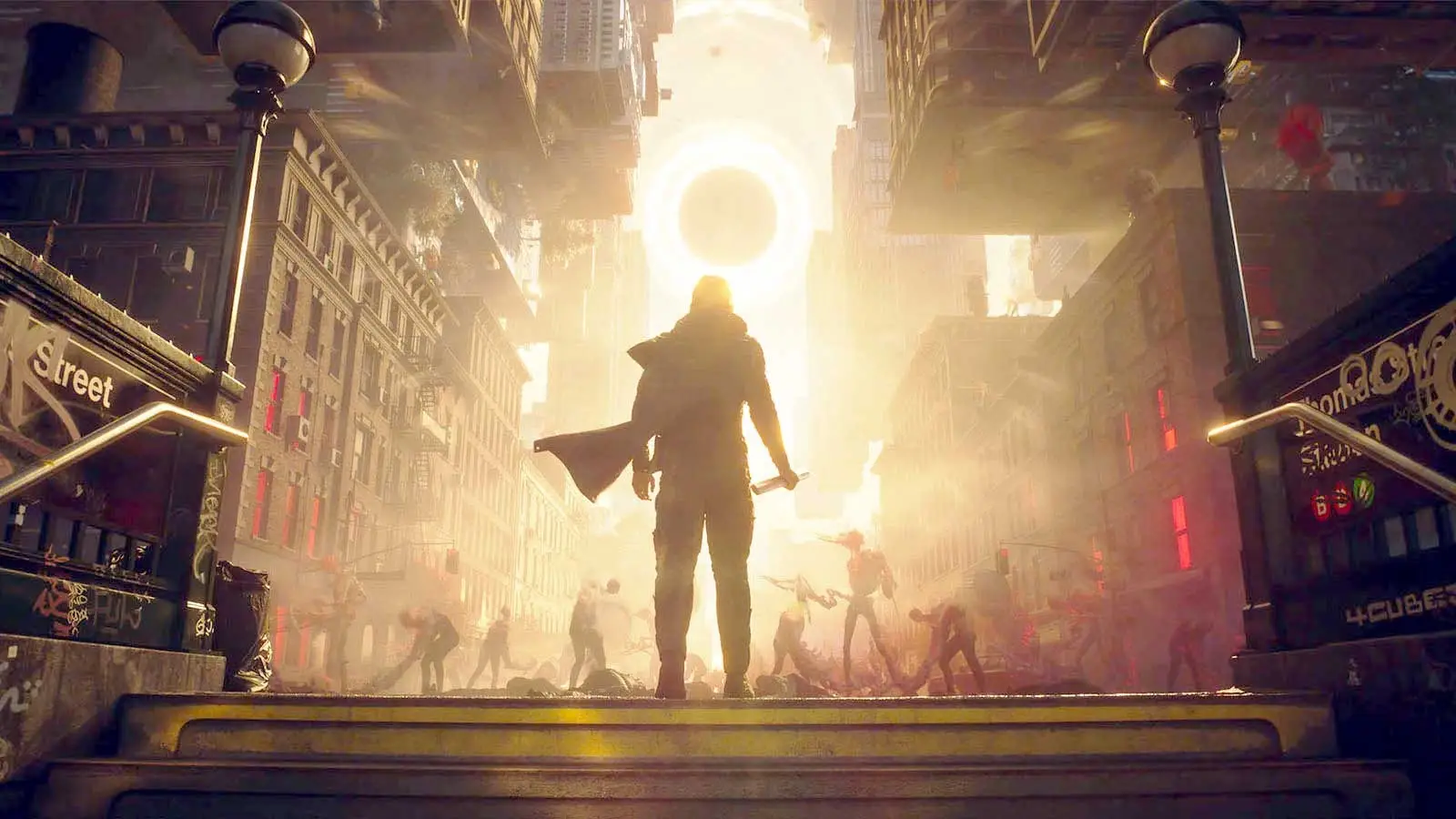
Control Resonant is set in a twisted version of New York City where everything has been warped by a paranatural phenomenon called the Patterning. Roads rise at 90-degree angles, or disappear entirely; buildings don’t follow the laws of gravity, and non-Euclidean geometry runs rampant across all of Manhattan.
Yeah, I’d have trouble mapping all that out too, myself.
This isn’t the same Manhattan that appears on any traditional map, and when Dylan enters a new area, he’s able to locate an FBC mapping kit which uses 3D data to build out a rough sketch of the area. But it doesn’t lay everything out for you to easily read.
Read More: 7 tips for Control Resonant I wish I knew before I started playing
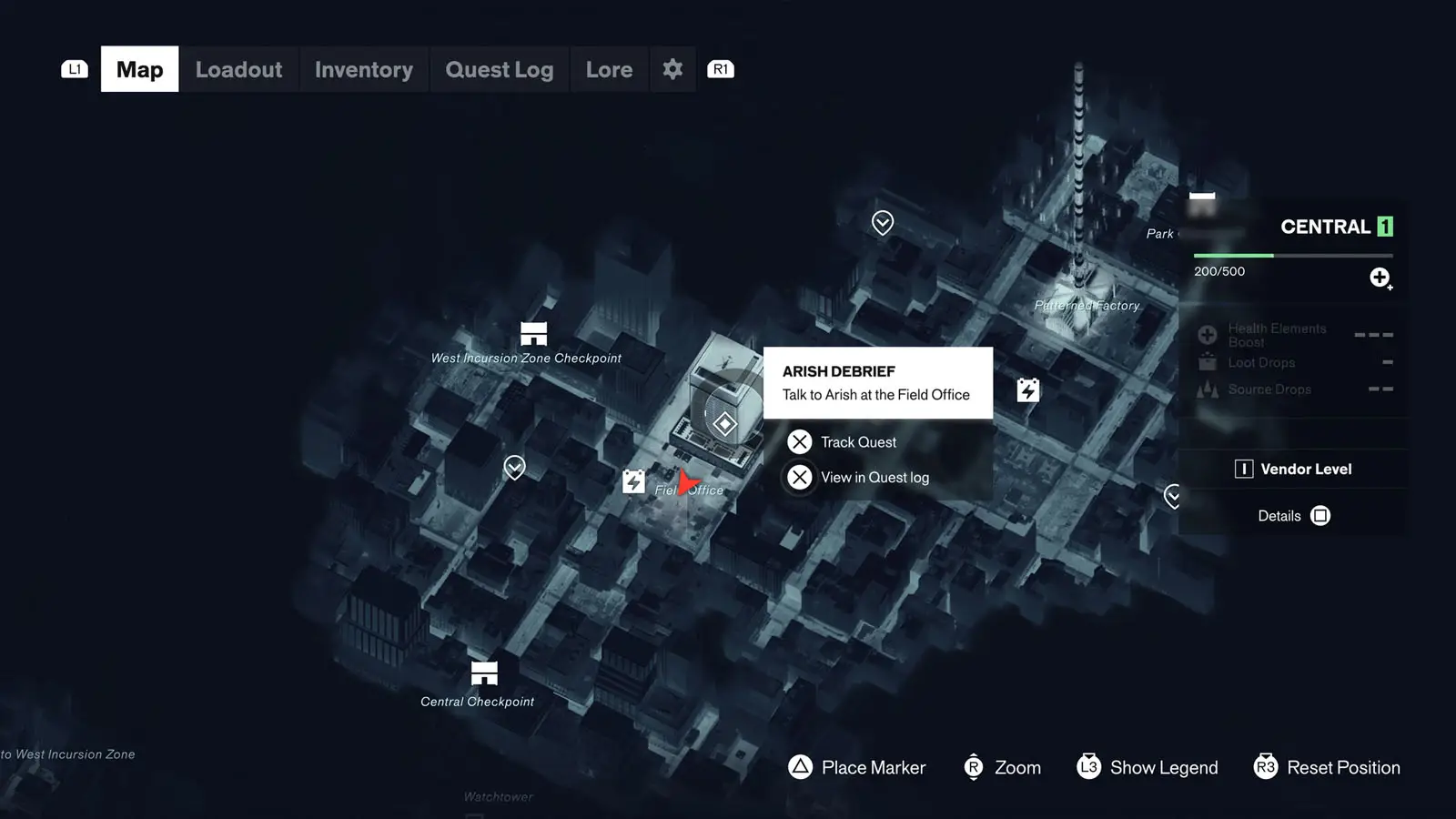
The map design of Control Resonant, just as in the first game, is left intentionally vague. You have to rely on context clues, signs, and vague directions to find your way around. The world in these games is brimming with hidden secrets to find when you stray off the beaten path (that is, if there is even a beaten path to begin with), so getting lost is kind of the point.
When you start venturing outside of Central Manhattan into the really weird places, that’s where it becomes even more messed up. Gravitational anomalies will have you walking on walls or upside down rooftops, and at this point the map really does become a bit unusable. Good! Even more chances to get lost and come across weird details that Remedy left in for you to find.
Not only does this serve the gameplay, but it also makes narrative sense.
Look at the Oldest House in the first Control, for example. You think Federal Bureau of Control employees are having an easy time navigating this place? This is a building where your office could be spontaneously turned upside down and moved into a new plane of existence where the laws of physics are merely a suggestion. Do you really think the Director is investing in good maps to help you around this place?
You're laughing? Johnson's cubicle is in the Astral Plane and you're laughing?
Whereas in Control Resonant, the FBC is dealing with a threat they have never properly dealt with before, and if you read all the notes lying around which give you insight into personnel’s thoughts on this event, you’ll realise that the organisation was woefully unprepared for the Patterning. Of course their mapping equipment isn’t going to be up to snuff.
Ultimately, the complaints around Control’s maps are indicative of players resisting friction in their games. You see it with The Blood of Dawnwalker players who are very against the idea of the game having a time limit, and go to lengths like modding it out so they can enjoy it at a different pace. But in doing that, you lose a bit of that friction that makes The Blood of Dawnwalker such an engaging experience.
I am fully supportive of people wanting to play games however they want to play games, but engaging with a piece of art in the way the creator wants you to engage with it can be such an enriching experience. If you don’t like the map, fair enough, but try to push through and engage with it, I promise you there’ll be lots of fun to be had.