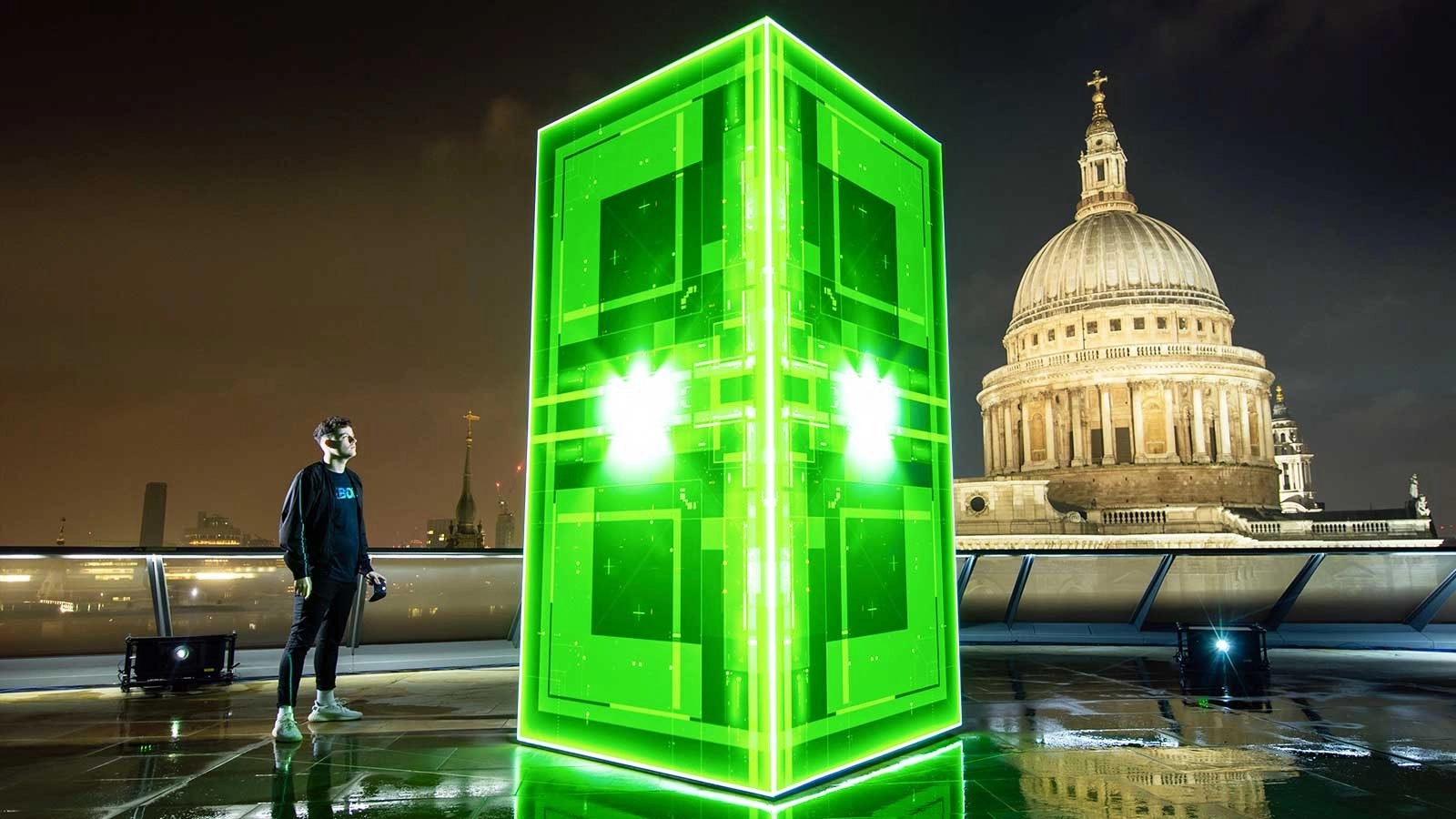
Xbox’s digital sales dominance revealed as Project Helix disc tray thrown into question


Despite a new Microsoft job listing hinting at Project Helix's support of physical games, it's come to light that 96% of all Xbox sales are digital, prompting worrying questions about the next-gen.
If Microsoft retains disc support on its next-generation Xbox, it could be a very positive, consumer-friendly move for gamers who want to keep buying physical games. It could also have huge implications for the next-gen console war, especially with Sony facing criticism over its anti-consumer digital-only stance ahead of the PS6 launch.
Following Xbox’s recent disc-to-digital programme, which allows players to turn eligible game discs into digital licences on Xbox One and Xbox Series X, this could be another huge win for Microsoft in its fierce rivalry with PlayStation, but the data doesn't exactly back up the path that Xbox seems to be paving.
Microsoft job listing hints at physical games on next-gen Xbox
As reported by Wccftech, a job listing has been spotted on LinkedIn for an Xbox 'supply strategist' at Microsoft, based in Redmond, Washington, in the United States, where Microsoft's headquarters are located.
“Microsoft is looking for a motivated and inspiring leader to join the Xbox Supply Chain team, responsible for driving end-to-end supply chain strategy and performance to enable achievement of the financial and overall category targets for Xbox Games,” reads the opening of the job description.
Advert
But this is where it gets quite interesting: “The Xbox Games Supply Strategist will co-ordinate the launch of physical Xbox games across all platforms, lead development and oversee execution of global supply positioning strategies across all stages of the product lifecycle, ensure that inventory is positioned to deliver working capital/cost/service goals, and oversee the sales and channel execution of those games.”
What this could mean for the future of physical Xbox games
Xbox is responsible for just 4% of new physical game sales in the US so far this year - and yet despite this, the new Microsoft job listing suggests that the company isn't giving up on physical games just yet.
Microsoft has yet to confirm whether Project Helix, the codename for its next-generation Xbox, will include a disc drive. The job listing doesn't specifically mention Project Helix, but it does suggest that the company continues to plan for physical Xbox game releases across platforms.
This would be an interesting move, especially as removing a disc drive could help Microsoft reduce the cost of producing its next-generation console.
Players are buying games digitally more often today than physically, but that doesn't mean there aren't millions of gamers who still want to buy physical games, or at least don't want that option taken away from them.
It could also be an opportunity for Microsoft to appeal to physical game fans, especially with Sony planning to end physical disc production for new PlayStation games from January 2028. With the PS6 on the horizon, this could allow Microsoft to attract gamers who still prefer physical copies.
READ MORE: Ranking the top 13 games of all time on Xbox
When it comes to Xbox's reported 4% share of US physical game sales, compared with 32% for PlayStation and 63% for Nintendo, retaining disc support could be seen as a huge pro-consumer decision, even if it's evidently not a wise business decision based on the data.
It's also worth keeping in mind that Microsoft's focus on digital distribution and subscription services such as Xbox Game Pass may play a role in Xbox's relatively small share of physical game sales.
At this time, it's all speculation until Microsoft announces its intentions publicly. However, regardless of what decisions may or may not have been made behind the scenes, the company has an important decision to make before Project Helix launches; will supporting physical games benefit enough players to justify the additional hardware costs?
Project Helix does not have a confirmed release date at the time of writing. Microsoft has said that it plans to ship alpha hardware to developers starting in 2027, but that doesn't mean the console will launch to consumers that year.