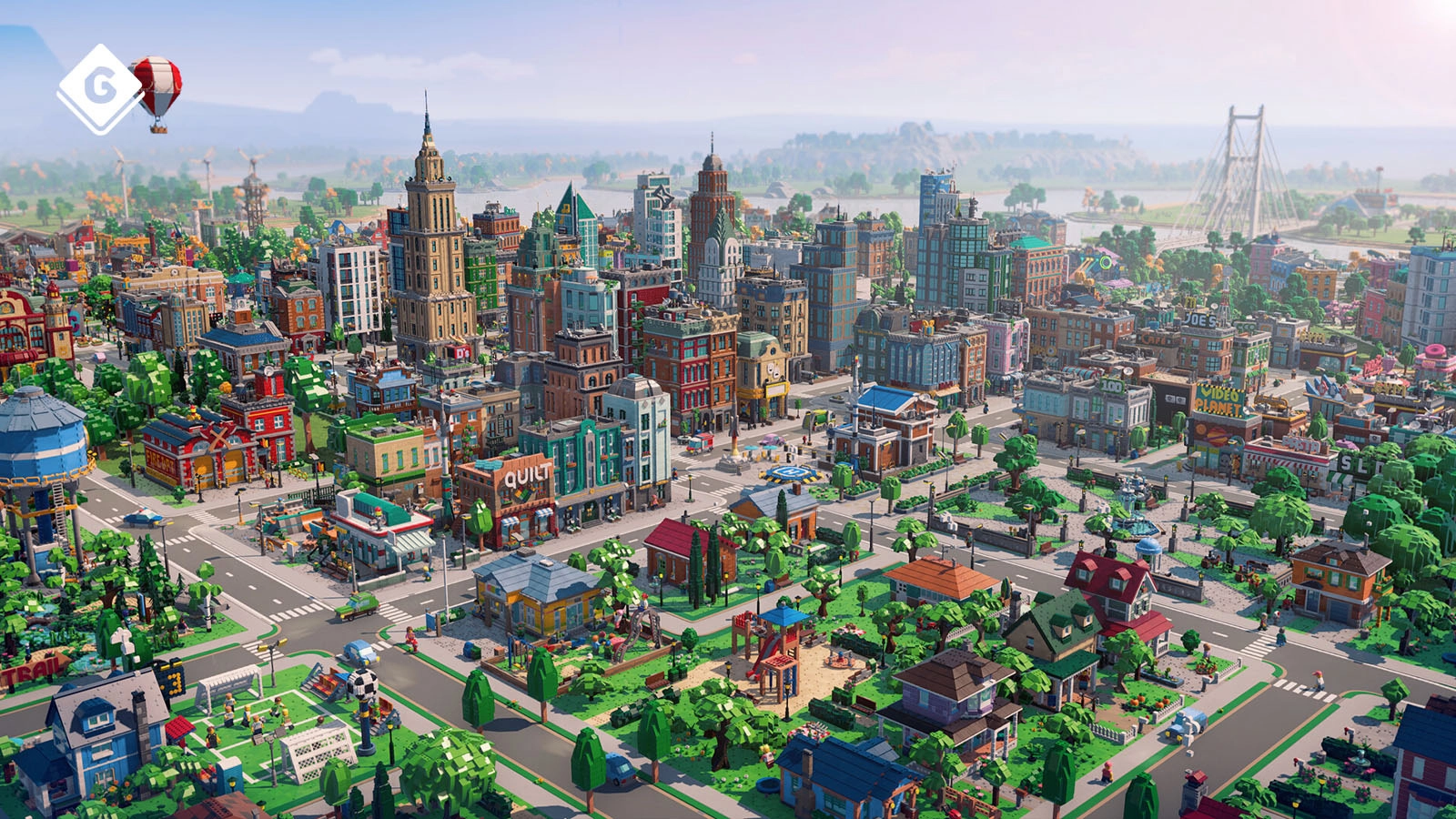
Lego Skylines is such a good idea I can't believe it wasn't made years ago


One of the biggest surprises of Gamescom Opening Night Live was Lego Skylines, a sandbox city builder that essentially asks the question, how would you build a Lego city, and more importantly, could you do it without the whole thing falling apart?
Lego Skylines is developed by Iceflake Studios, the developer that also took over Cities: Skylines II from Colossal Order earlier this year, so the talent is there to take what it’s learned and adapt it in a completely different style.
At its core fundamentals, the game could be seen as basically “what if Cities: Skylines had a Lego spin-off?”, and it does appear to be that on the surface. But looking deeper, the game does have more going for it that’ll appeal to fans of both city builders and Lego toys.
The core aspects of the city builder genre are there. You build a city, place down residential, industrial, and commercial zones, and make sure the city is supplied with ample electricity, water, sewage, and other essential public services. As you play, problems with the city’s infrastructure come to light, and it’s up to you to address concerns and implement solutions when they are needed.
Advert
However, there are some core differences that set it apart from Cities: Skylines. For starters, you begin building at the street level, focusing on smaller residential streets and growing from there. From the beginning, the camera stays locked in at a close zoom level, only gradually zooming out as you develop your city outwards and upwards.
Progression depends on how you play. Experience points are awarded by decorating the city to meet the citizens’ needs, rather than specifically about growing the population like in Cities: Skylines. You can decorate the city using certain decoration props which have specific values attached to them. Commercial buildings will want promotional decorations to be placed near them, while residential zones may require cosy or natural decorations to spruce the neighbourhood up a little.
The game also moves at a slower rate compared to the Cities: Skylines games. There’s nothing stopping you from making your metropolis a huge grid, but you’re also encouraged to play the game slowly, focusing on the individual needs of each home and ensuring that they’re happy.
As someone who usually bounces off city builders once they become too complicated, it feels like Lego Skylines’ late game won’t be as stressful to manage as the Cities games, especially if you build up your city in the smartest way. I’m looking forward to playing more and seeing how these elements of the game are managed further.
Read More: It's about time we got a Lego Game of Thrones game following Warner Bros. update
My session with Lego Skylines has got me excited for the future
Getting hands-on with Lego Skylines, I can’t believe this wasn’t a game that was made years ago. Sure, you had games like Lego Creator and Lego Worlds back in the day, which simulated aspects of building up a giant Lego World. But they forgot the fundamental aspect of Lego: play.
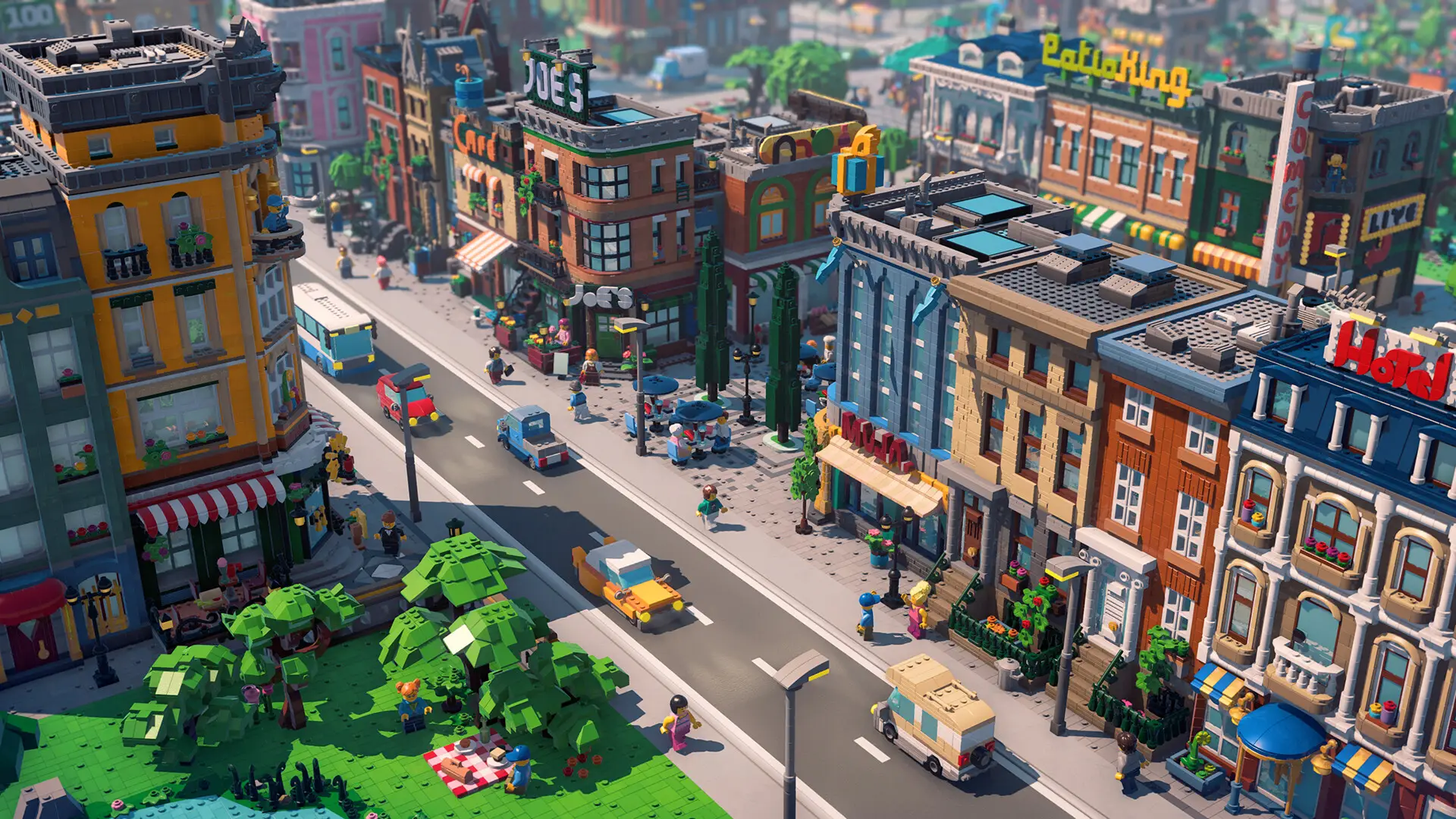
It’s one thing to be able to build up a giant city with nothing but Lego bricks, but actually simulating the play aspect - seeing simulated Lego minifigures going about their daily lives, watching as emergency services respond to calls or as business owners thrive in populated areas - is something that previous sandbox games haven’t achieved.
In essence, this might be the closest game to simulating the experience of playing with Lego bricks that I can picture. Iceflake Studios even told me it’s developing a creator mode which will allow you to make your own creations and add them into your own city, as well as share them with players online.
One other thing that’s got me intrigued is the potential for new Lego themes to be added in post-launch updates and DLC. It’s clear that Lego Skylines’ launch lineup will bring over sets and themes from the Lego City range, but the potential for other real themes like Ninjago and Space to be added has caught my attention.
As of right now, Lego Skylines doesn’t have a release date. It’s announced for PC, PlayStation 5, Xbox Series X/S, and Nintendo Switch 2.